Free 2/4 Rhythm Music Generator Powered by AI
Turn text into high-quality 2/4 Rhythm music effortlessly – no login required!

music.toolTips
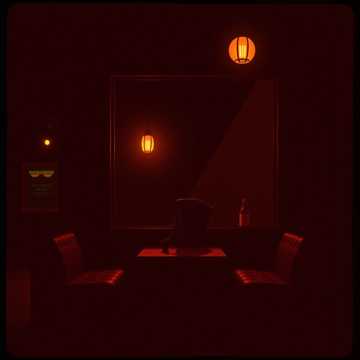
SAMO OVU NOĆ
Pesma 'SAMO OVU NOĆ' oslikava duboku ljubavnu čežnju i bol zbog gubitka voljene osobe, kroz emotivnu izvedbu, tavernu atmosferu i izražajan balkanski melodični izraz.
04:10
1 days ago
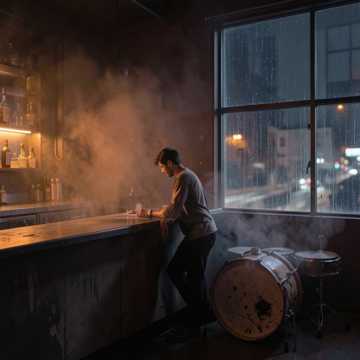
Dernier Ricard
Un récit nostalgique et moqueur des soirs de rupture au comptoir, mêlant tristesse et humour dans une atmosphère de bistrot chaleureux, porté par l'accordéon, la guitare manouche et des chœurs complices.
03:20
3 days ago
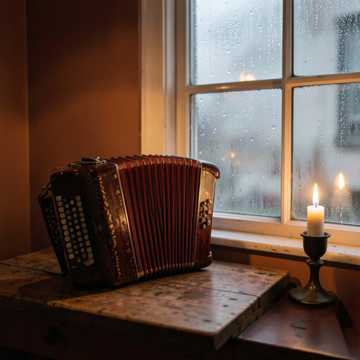
Još te čekam
A Serbian folk ballad that expresses longing and heartbreak. The lyrics convey a deep emotional struggle of waiting for someone who may never return, framed by a traditional Šumadija style.
03:20
5 days ago
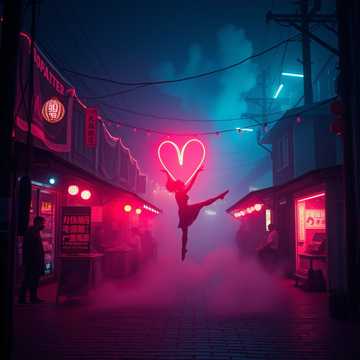
Kad te drugi zagrli
A powerful blend of Serbian folk and EDM, this song explores the pain of unrequited love and the emotional struggles of watching a former lover move on, driven by haunting lyrics and an unforgettable rhythm.
01:18
5 days ago
Nisi znala da me čuvaš
Balada o neuzvraćenoj ljubavi, emotivnoj praznini i čežnji, izražena kroz moćan balkanski folk zvuk, akordeon i dramatične stihove koji diraju srce.
03:33
5 days ago
Веснянка
Веснянка is a lively Ukrainian folk song, ideal for choreography. Its upbeat rhythm and joyful mood celebrate traditional Ukrainian musical traditions.
01:29
2024-09-08
Comprehensive Introduction to 2/4 Rhythm
The 2/4 rhythm, also known as duple meter, is a musical time signature indicating that each measure contains two quarter-note beats. Characterized by its steady, marching pulse, the 2/4 rhythm is often associated with dance forms, folk traditions, and compositions requiring clear, driving forward motion. Its origins can be traced back to early European folk music and military marches, where simple binary meters reinforced rhythmic clarity for group movement. Over time, the 2/4 rhythm evolved across genres—from classical and orchestral settings to jazz, Latin music, pop, and contemporary media scoring—retaining its role as one of the most recognizable and foundational meters in global music.
Sub-tags and Classifications of 2/4 Rhythm
March Style 2/4 Rhythm
This subtype emphasizes strong downbeats and consistent accents on the first beat of each measure. Typically found in military and parade marches, this classification of 2/4 rhythm focuses on precision, uniformity, and motivational energy. Instruments like2/4 rhythm content snare drums, brass, and piccolos frequently highlight its rhythmic identity.
Dance-Oriented 2/4 Rhythm
Common in traditional folk dances such as polkas and two-steps, this sub-tag highlights lively tempos, syncopated accompaniment, and melodic phrases that emphasize forward motion. Dance-oriented 2/4 rhythm creates an energetic, buoyant feel suitable for communal dancing and celebratory events.
Latin-Inspired 2/4 Rhythm
In genres like samba, cumbia, and certain Afro-Latin styles, the 2/4 rhythm is used to create intricate percussive layers. This classification often includes syncopation, cross‐rhythms, and accented subdivisions, offering a vibrant interpretation of the traditional duple meter.
Contemporary Pop 2/4 Rhythm
Modern pop and electronic music sometimes adopt the 2/4 rhythm for segments requiring rapid, repetitive phrasing or strong rhythmic hooks. This sub-tag focuses on punchy beats, danceable grooves, and clarity that complements digital production and modern sound design.
Famous Artists and Works Related to 2/4 Rhythm
John Philip Sousa
Known as the 'March King,' Sousa is one of the most significant figures in 2/4 rhythm composition. His marches, such as 'The Stars and Stripes Forever,' showcase powerful duple meter writing, strong brass lines, and memorable melodic motifs that defined American march music.
The Stars and Stripes Forever – John Philip Sousa
A quintessential 2/4 rhythm march, this work features crisp snare drum patterns, bold brass fanfares, and a driving tempo. Its structure demonstrates how 2/4 rhythm reinforces unity and forward movement, making it ideal for ceremonial and patriotic events.
Frédéric Chopin
Though better known for waltzes and nocturnes, Chopin frequently used 2/4 rhythm in his mazurkas and polonaises. These works demonstrate how 2/4 rhythm can be infused with rubato, expressive melodies, and subtle rhythmic shifting while maintaining duple meter structure.
Radetzky March – Johann Strauss Sr.
Another iconic 2/4 rhythm march, this piece showcases vibrant orchestration and rhythmic clarity. The strong emphasis on downbeats and repetitive melodic phrasing highlights the stability and infectious energy of duple meter.
Astor Piazzolla
A major figure in tango music, Piazzolla often employed 2/4 rhythm in his compositions, blending classical techniques with traditional Argentine dance rhythms. His works introduced complexity and emotional depth to music written in duple meter.
Polka Works (Traditional Folk)
Classic polka compositions—and their modern adaptations—rely heavily on the 2/4 rhythm to create lively, upbeat dance music. Their use of accordion, brass, and rhythmic bass lines demonstrates the versatility of the 2/4 rhythm in shaping cultural traditions.
Traditional Polka and Folk Bands
Across Central and Eastern Europe, many folk ensembles adopt 2/4 rhythm for polkas, celebrating cultural identity and communal dance traditions. Their contributions preserve and modernize dance-oriented 2/4 rhythm.
Tango Pieces by Astor Piazzolla
Although tango often blends meters, many foundational patterns rely on 2/4 rhythm or its variations. Piazzolla’s works introduce syncopation, harmonic richness, and dramatic phrasing while retaining the pulse characteristic of duple meter.
Application Scenarios of 2/4 Rhythm
2/4 rhythm is frequently used in scenes that portray marching soldiers, parades, or organized movement. Its steady pulse provides structure, pacing, and emotional grounding in action sequences or historical montages.
Movie Soundtracks
Because of its catchy, rhythmic simplicity, 2/4 rhythm is ideal for short, impactful advertisements. The duple meter makes slogans and jingles memorable, enhancing brand recall and audience engagement.
Advertising and Commercial Branding
In video games, 2/4 rhythm is used for levels requiring forward momentum or rhythmic feedback—such as chase scenes, timed puzzles, or combat sequences. Its predictability supports in-game pacing and player immersion.
Game Background Music
Fitness videos, aerobic sessions, and dance tutorials regularly use music in 2/4 rhythm because of its energetic, easy-to-follow beat. This allows participants to synchronize movements and maintain tempo consistency.
Dance Instruction and Fitness Programs
Due to its historical association with marching, the 2/4 rhythm remains essential for military ceremonies, school band performances, and public parades, ensuring coordinated movement and cohesive presentation.
Parades and Ceremonial Events