Free Amazigh Folk Music Generator Powered by AI
Turn text into high-quality Amazigh Folk music effortlessly – no login required!

music.toolTips

chela essai
ⴰⵙⵍⵉ ⵉⵎⵎⵓⵜ ⵓⵍ ⴷ ⵉⵙⵎⵓⵏ ⴰⵎⵓⵏ ⵏ ⵡⴰⵏⴰⵡ. ⵓⵃⵉⴷⵓⵙ ⵉⵙⵙⵏⴼⵍ ⵍⵃⵣⵏ ⵉ ⵓⴼⵔⴰⵃ, ⵙ ⵜⵓⵎⴰⵏⵜ ⵏ ⵅⵏⵉⴼⵔⴰ ⴷ ⴰⴷⵔⴰⵔ, ⵉⵙⵔⵙ ⵜⵉⵔⵉ ⴷ ⵜⴰⴷⴷⴰⵔⵜ.
07:59
2 days ago

chela essai
Asefru-agi yeskanay ubrid n wul d lferḥ s uḥidous n Khenifra, yeddun gar tɣuri n lḥzen d usirem, s tɣect n wawal n ugraw d ufrux n tmurt Amazight.
07:59
2 days ago
Tira n Usizdeg
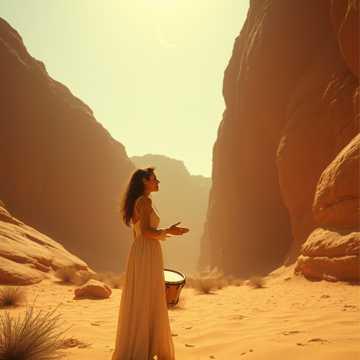
Tira n Usizdeg is a hypnotic Amazigh folk chant, blending intimate solo lines, dynamic call-and-response, and unison choruses to evoke communal strength, ancestral paths, and the rugged beauty of mountain landscapes.
04:05
3 days ago

Tira n Usizdeg
Tira n Usizdeg d acewwiq n Kabyle Amazigh folk-pop yettmeslay ɣef umyekkat, taḥerci n idurar, d usirem n uzekka yelhan. S yidles n tmedyazt, iẓuran n tmurt, d imeslayen n ugraw, yezga d asirem d lferḥ.
03:41
3 days ago
A Comprehensive Introduction to Amazigh Folk Music
Amazigh folk refers to the traditional music of the Amazigh people, also known as Berbers, who are indigenous to North Africa, primarily in Morocco, Algeria, Tunisia, Libya, and Mali. This genre reflects the cultural heritage, social life, and oral traditions of Amazigh communities, often performed with indigenous instruments and rich vocal techniques. Historically, Amazigh folk music has evolved over centuries, drawing influences from local rituals, ceremonies, storytelling, and dance. Its development has preserved historical narratives, tribal identity, and spiritual practices, making it a living archive of Amazigh culture. The music is characterized by distinctive rhythms, repetitive melodic patterns, and a strong emphasis on poetic lyrics that are often passed down orally.
Sub-tags and Classifications of Amazigh Folk Music
Rifian Music
Rifian music originates from the Rif region of northern Morocco. It is distinguished by the use of instruments like the bendir (frame drum) and the lotar (string instrument), withAmazigh Folk Music SEO energetic rhythms suitable for communal dances. The lyrics often reflect the social issues, love, and resistance struggles of the Rif people.
Shilha (Chleuh) Music
Shilha music comes from the Souss-Massa region of Morocco. It is known for intricate string arrangements, polyrhythmic percussion, and vocal improvisation. Songs frequently celebrate daily life, agriculture, and local legends, serving as a medium to pass cultural knowledge across generations.
Kabyle Music
Kabyle music originates from the Kabylia region in northern Algeria. It is characterized by melodic guitar lines, poetic lyrics in the Kabyle language, and traditional percussion instruments. Kabyle music often addresses themes of identity, social justice, and love, blending folk traditions with modern influences.
Tuareg Music
Tuareg folk music comes from the Sahara region, especially Mali and southern Algeria. Known for its hypnotic guitar riffs and call-and-response vocals, it often tells stories of desert life, migration, and historical legends. Tuareg music emphasizes repetitive rhythms that induce trance-like states during communal gatherings.
Famous Artists and Classic Works of Amazigh Folk Music
Idir
Idir, an Algerian Kabyle singer, is widely regarded for bringing Amazigh music to international audiences. His works, such as 'A Vava Inouva,' are iconic for their deep emotional resonance and traditional Kabyle instrumentation.
A Vava Inouva
A Vava Inouva, performed by Idir, is a seminal work in Amazigh folk music. Its soothing melodies and poetic lyrics narrate a story of love and familial bonds, using traditional Kabyle instruments. The song exemplifies the emotive storytelling and melodic structure central to Amazigh folk.
Dahmane El Harrachi
Although primarily known for Algerian chaâbi, Dahmane El Harrachi integrated Amazigh folk elements into his music, blending traditional rhythms with urban influences. His storytelling approach highlighted social issues within Amazigh communities.
Aɣyul n Tiddukla
This classic Rifian song features rhythmic drumming and the lotar, highlighting the communal and celebratory aspects of Amazigh folk. Its structure allows for dance and participatory singing, embodying the social function of folk music.
Matoub Lounès
Matoub Lounès, a Kabyle singer-songwriter, became a symbol of Amazigh identity and resistance. His music features powerful lyrics addressing cultural pride, freedom, and human rights, often accompanied by traditional Kabyle instruments.
Asselar n Tamasheq
A Tuareg folk composition by Tinariwen, 'Asselar n Tamasheq' emphasizes hypnotic guitar patterns and call-and-response vocals. The work demonstrates the trance-inducing quality of Tuareg music, reflecting desert life and oral storytelling traditions.
Tinariwen
Tinariwen, a Tuareg band from Mali, has popularized Tuareg folk music worldwide. Their fusion of traditional Saharan rhythms with electric guitars has created a globally recognized sound, preserving and modernizing Amazigh musical heritage.
Application Scenarios for Amazigh Folk Music
Amazigh folk music is ideal for films depicting North African culture or historical narratives. Its authentic instrumentation and melodic structures can create an immersive atmosphere, enhancing cultural storytelling and emotional depth.
Movie Soundtracks
Brands seeking a connection with North African heritage or a unique cultural sound can use Amazigh folk music in advertisements. Its rhythmic and melodic qualities can evoke authenticity and tradition, appealing to a culturally conscious audience.
Advertising Music
Amazigh folk music can enrich game environments set in North Africa or desert landscapes. The hypnotic rhythms and traditional instruments provide an atmospheric backdrop, enhancing player immersion and cultural authenticity.
Video Game Background Music
Amazigh folk music is frequently performed at cultural festivals, weddings, and tribal celebrations. Its participatory nature encourages audience engagement and preserves traditional dance and music practices.
Cultural Festivals and Events