Free Backbeat Music Generator Powered by AI
Turn text into high-quality Backbeat music effortlessly – no login required!

music.toolTips
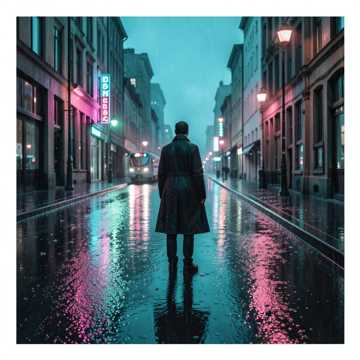
Rain on Canal Street
A reflective rock-pop ballad about a man haunted by nostalgia and the fading warmth of childhood memories. As he retraces moments of joy and belonging, he questions the source of his present sadness, realizing that grief may have quietly settled into his life over time.
03:17
14 hours ago

走心
這首歌描寫了一段由懷疑到動心的過程,傳達出對愛戀的渴望與期盼。
00:00
2024-05-08
Introduction to Backbeat: Definition and History
Backbeat is a fundamental rhythmic element in music where the emphasis is placed on the off-beats, typically the second and fourth beats in 4/4 time. Originating from early blues, jazz, and swing music, the backbeat became a defining characteristic of rock and roll in the 1950s. Musicians discovered that accentuating these off-beats created a driving, energetic feel that enhanced danceability and listener engagement. Over decades, the backbeat has evolved into a staple in modern pop, rock, funk, R&B, and hip-hop, shaping the way rhythm is perceived across genres. Its adaptability has made it one of the most recognizable and influential rhythmic techniques in contemporary music.
Backbeat Sub-tags and Classifications
Straight Backbeat
Straight backbeat emphasizes the second and fourth beats evenly and consistently throughout a song. It is most commonly used in rock, pop, and R&B,Backbeat Music Overview giving tracks a steady, driving pulse that listeners instinctively respond to. The simplicity of the straight backbeat allows other instruments and melodies to stand out while maintaining rhythmic cohesion.
Syncopated Backbeat
Syncopated backbeat introduces rhythmic variations and off-beat accents, often creating tension and groove within the music. This sub-tag is prevalent in funk, jazz fusion, and certain electronic music styles, where unexpected beats and rhythmic complexity enhance the music's dynamic and energetic feel.
Shuffled or Swing Backbeat
The shuffled backbeat applies a swing or triplet feel to the traditional off-beat accentuation, giving the rhythm a laid-back, rolling sensation. It is widely used in blues, swing jazz, and rockabilly. The swung backbeat creates a sense of forward momentum while preserving a human, organic groove.
Heavy Backbeat
The heavy backbeat amplifies the accent on off-beats using strong percussion elements, such as snare hits and kick drum reinforcement. Common in punk, hard rock, and modern pop-rock, this style adds intensity and power, driving the song forward with a compelling, forceful rhythm.
Famous Artists and Classic Works in Backbeat Music
Chuck Berry
Chuck Berry is often credited with pioneering the rock and roll backbeat. His songs, including 'Johnny B. Goode,' used a driving straight backbeat that influenced countless rock musicians. Berry's integration of blues-based guitar riffs with strong backbeat rhythms laid the foundation for modern rock music.
Johnny B. Goode – Chuck Berry
This track features a straight backbeat that drives the guitar riffs and vocal lines. The emphasis on the second and fourth beats provides a clear, danceable rhythm that became a blueprint for rock and roll music. Berry’s use of backbeat combined with blues scales created an energetic and enduring classic.
Buddy Holly
Buddy Holly utilized the backbeat in rockabilly tracks like 'Peggy Sue,' highlighting the off-beat snare hits that gave his songs infectious energy. Holly’s work exemplifies early experimentation with rhythm in rock music.
I Got You (I Feel Good) – James Brown
This iconic funk track showcases a heavily syncopated backbeat, with percussive hits accentuating unexpected off-beats. The rhythmic complexity adds tension and groove, making it instantly recognizable and influential in funk and R&B music.
James Brown
James Brown, known as the 'Godfather of Soul,' revolutionized rhythm with his syncopated backbeat and funk grooves. Tracks like 'I Got You (I Feel Good)' feature heavily accentuated off-beats that define funk music and inspire modern pop and hip-hop rhythms.
Peggy Sue – Buddy Holly
Buddy Holly’s use of a subtle swung backbeat in 'Peggy Sue' gives the song its distinctive rockabilly bounce. The snare accents on off-beats, combined with rhythmic guitar strumming, create a lively and engaging rhythm that shaped early rock music.
The Beatles
The Beatles integrated backbeat into their diverse musical style, using it to create danceable pop-rock hits. Songs like 'Twist and Shout' and 'Come Together' showcase both straight and syncopated backbeats, influencing global pop music rhythms.
Application Scenarios of Backbeat Music
Backbeat music is commonly used in movie soundtracks to drive scenes with energy, urgency, or a sense of movement. Its rhythmic pulse enhances action sequences, chase scenes, and dance montages, creating a visceral connection with audiences.
Movie Soundtracks
Advertisers often use backbeat-driven tracks to make commercials more memorable and engaging. The rhythmic emphasis on off-beats catches attention, creating a sense of excitement and encouraging viewers to associate energy and positivity with the brand.
Advertising and Commercials
Backbeat is widely employed in video game soundtracks to maintain momentum during gameplay. Whether in racing games, action RPGs, or platformers, the driving rhythm keeps players engaged and enhances the immersive experience.
Video Game Background Music
Backbeat is integral in dance and fitness music genres, providing a consistent rhythm for choreography and exercise routines. The off-beat emphasis encourages natural movement, making songs ideal for aerobic workouts, dance classes, and club settings.
Dance and Fitness Music