Free Balkan language Music Generator Powered by AI
Turn text into high-quality Balkan language music effortlessly – no login required!

music.toolTips
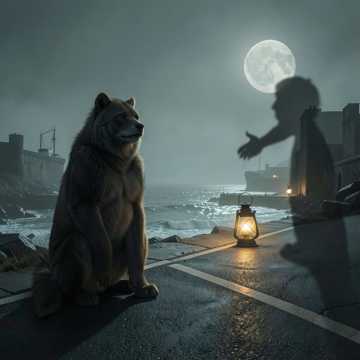
Lav i pitanje
Hipnotična kabaretska morska priča o mudroj zvijeri koja zaustavlja prolaznike i razotkriva njihovu pitomost. Duboki bariton i eterični ženski zbor stvaraju atmosferu tajanstvene obalne ritualnosti i gorke ironije.
03:03
17 hours ago

Čovječe, Pazi
Spori klavirski komad koji kroz introspektivne stihove razotkriva destruktivnost ogovaranja, osude i pohlepe, pozivajući čovjeka na oprez, empatiju i moralnu odgovornost pred prolaznošću života.
02:32
Invalid date
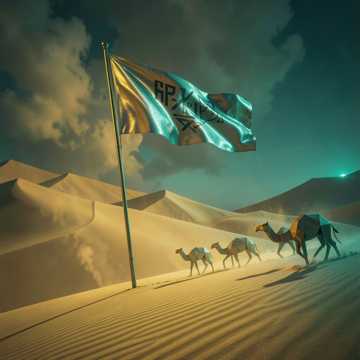
nakoiv
Kontroverzna AI-generisana numera zasnovana na ponavljajućim porukama mržnje usmerenim prema etničkim, verskim i migrantskim grupama. Fokus je na provokaciji i šok efektu, dok muzička podloga spaja ekstremni hardstyle, arapske motive pustinje i snažno obrađene vokale.
03:08
4 days ago
Balkan Language Music: Definition, Origins, and Historical Development
Balkan Language music refers to songs and musical works performed in the languages of the Balkan Peninsula, including Serbian, Croatian, Bosnian, Macedonian, Bulgarian, Albanian, Romanian, Greek, Slovenian, and other regional languages. Rather than representing a single musical genre, Balkan Language music encompasses a broad collection of traditional, folk, pop, rock, turbo-folk, ethno, contemporary fusion, and world music styles united by their linguistic and cultural roots. The history of Balkan Language music dates back centuries, drawing influences from Byzantine traditions, Ottoman musical heritage, Slavic folk customs, Mediterranean melodies, and Central European harmonies. Throughout the 19th and 20th centuries, national cultural movements helped preserve local languages through music, while radio, television, and recording technologies expanded the reach of Balkan Language songs. In the modern era, Balkan Language music has evolved into a vibrant global category, blending traditional instruments such as the tamburica, gusle, gaida, kaval, and accordion with modern production techniques. Today, BalkanBalkan Language Music Overview Language music remains an important cultural expression that showcases regional identity, storytelling, emotional depth, and linguistic diversity.
Major Balkan Language Music Sub-tags and Classifications
Balkan Folk Music
Balkan Folk Music represents the traditional musical heritage of the region. It features indigenous instruments, complex rhythms, village dances, and oral storytelling traditions. Songs are typically performed in native Balkan languages and often focus on history, love, family, and local customs.
Turbo-Folk
Turbo-Folk is one of the most commercially successful Balkan Language music styles, particularly in Serbia and neighboring countries. It combines folk melodies with modern pop, dance, and electronic production. The genre is known for its energetic rhythms, emotional vocals, and strong regional identity.
Balkan Pop
Balkan Pop incorporates mainstream international pop structures while maintaining lyrics in Balkan languages. Artists often blend catchy melodies, modern production, and regional influences, creating music that appeals to both local and international audiences.
Balkan Rock
Balkan Rock emerged during the second half of the twentieth century and combines rock instrumentation with Balkan cultural themes and native-language lyrics. The genre played a significant role in shaping youth culture and artistic expression throughout the region.
Ethno Balkan Fusion
Ethno Balkan Fusion merges traditional Balkan Language music with jazz, electronic, classical, and world music elements. This sub-tag is particularly popular among artists seeking to modernize folk traditions while preserving authentic cultural characteristics.
Balkan Brass Music
Famous for its powerful brass bands, this Balkan Language music category is characterized by trumpets, tubas, trombones, and energetic performances. It is commonly associated with festivals, celebrations, weddings, and cultural events throughout the Balkans.
Balkan Choral and Spiritual Music
This classification focuses on sacred, liturgical, and choral traditions performed in Balkan languages. Influenced by Orthodox, Catholic, and Islamic cultural histories, these works often feature rich vocal harmonies and spiritual themes.
Contemporary Balkan Hip-Hop and Urban Music
Modern Balkan Language music increasingly includes hip-hop, rap, trap, and urban genres. Artists use local languages to address social issues, identity, youth culture, and modern lifestyles while incorporating global musical trends.
Famous Balkan Language Music Artists and Classic Works
Goran Bregović
One of the most influential figures in Balkan Language music, Goran Bregović is known for blending traditional Balkan folk elements with rock, orchestral, and world music influences. His film soundtracks and international collaborations have introduced Balkan sounds to global audiences.
Kalashnikov
Popularized through Goran Bregović's work, 'Kalashnikov' showcases the energetic spirit of Balkan brass music. The composition features driving rhythms, powerful horn sections, and festive arrangements that have become internationally recognized symbols of Balkan musical culture.
Šaban Šaulić
Often referred to as a legendary voice of Balkan folk music, Šaban Šaulić contributed significantly to Serbian-language music through emotionally expressive performances and timeless folk ballads.
Đurđevdan
Considered one of the most iconic Balkan Language songs, 'Đurđevdan' combines emotional storytelling with memorable folk melodies. The song demonstrates the region's ability to express collective memory, cultural heritage, and deep emotional resonance.
Ceca Ražnatović
A major figure in Turbo-Folk, Ceca helped popularize modern Balkan Language music across Southeastern Europe. Her extensive catalog combines traditional vocal styles with contemporary production.
Lane Moje
Performed by Željko Joksimović, this work blends traditional Balkan musical motifs with modern pop production. Its sophisticated arrangement and emotional vocal performance helped popularize contemporary Balkan Language music internationally.
Toše Proeski
A beloved Macedonian artist, Toše Proeski gained recognition for his exceptional vocal talent and multilingual performances. His music remains influential throughout the Balkan region.
Tamo Daleko
A historic Serbian song, 'Tamo Daleko' is notable for its themes of homeland, longing, and resilience. The composition highlights the narrative strength and emotional depth often found in Balkan Language music traditions.
Dino Merlin
Bosnian singer-songwriter Dino Merlin is known for combining Balkan Language lyrics with sophisticated pop and world music arrangements. His works have achieved widespread regional success.
Makedonsko Devojče
This celebrated Macedonian folk song demonstrates the melodic richness and cultural authenticity of Balkan Language music. Its enduring popularity reflects the importance of preserving regional musical heritage.
Sezen Aksu
Although primarily associated with Turkish music, Sezen Aksu's influence extends into the broader Balkan cultural sphere due to shared historical and musical traditions across the region.
Application Scenarios for Balkan Language Music
Balkan Language music is widely used in film productions to create emotional depth, cultural authenticity, and memorable atmospheres. Traditional folk melodies and brass arrangements are especially effective in historical dramas and regional storytelling.
Movie Soundtracks
Television series and streaming content frequently use Balkan Language songs to establish local identity, support character development, and connect audiences with authentic cultural settings.
Television and Streaming Productions
Brands targeting Balkan audiences often utilize Balkan Language music to strengthen cultural relevance and emotional engagement. Traditional and modern styles can both enhance brand recognition and audience connection.
Advertising Campaigns
Game developers incorporate Balkan Language music into historical, fantasy, strategy, and open-world games to enrich world-building and provide unique regional soundscapes.
Video Game Background Music
Tourism organizations use Balkan Language music in promotional videos and destination marketing campaigns to showcase regional culture, traditions, festivals, and landscapes.
Travel and Tourism Promotion
Balkan Language music serves as a centerpiece for folk festivals, multicultural celebrations, heritage events, and international cultural exhibitions, helping preserve and promote regional traditions.
Cultural Festivals and Events
Many Balkan communities rely on Balkan Language music for weddings, family gatherings, and festive occasions. The energetic rhythms and emotionally expressive lyrics make it ideal for communal celebrations.
Wedding and Celebration Entertainment
Global musicians and producers frequently integrate Balkan Language music into fusion projects, world music recordings, and international collaborations, expanding the genre's reach and influence worldwide.
World Music and Cross-Cultural Collaborations