Free Chinese Music Generator Powered by AI
Turn text into high-quality Chinese music effortlessly – no login required!

music.toolTips
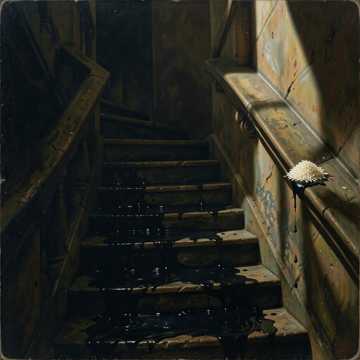
墨色晚自习
一名少年在晚自习后默默追随心仪之人的背影,于压抑说唱与悠长副歌之间,诉说无法靠近的暗恋、占有欲与青春遗憾。
03:32
47 minutes ago
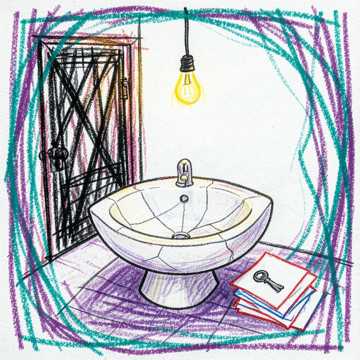
别开那扇门
歌曲以一间停滞的旧屋为情感现场,描绘主人公面对逝去关系时的自我封闭。反复出现的门、钥匙、钟声与回声,令克制的哀伤在厚重摇滚编制中逐渐失控。
03:30
3 hours ago
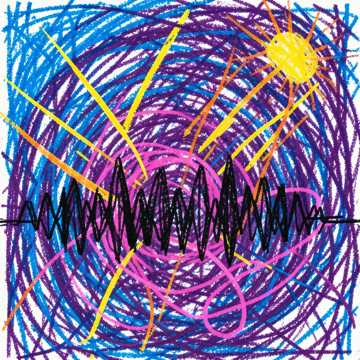
言语
《言语》以真诚表达为核心,在梦幻电子节奏与深情人声中,描绘迷失者因一个声音重获希望,并鼓励人们勇敢说出内心与爱。
05:22
5 hours ago

03. 角 · 竹雨初晴
一首以笛子为核心的东方器乐小品。轻柔上行的音符像雨珠滑过竹梢,随后展开为从容长句,留下雨歇云开、山林澄明的静谧余韵。
03:09
Invalid date

Go 🌺
歌曲以独自穿越夜色为起点,在电子节拍与钢琴旋律中完成自我鼓舞。它将泪水化为力量,以反复高呼的GO推动听众告别恐惧,坚定追逐梦想、爱情与未来。
03:43
7 hours ago

Jade Stall Lane
一首轻盈俏皮的中式市集氛围器乐曲。稀疏木质节拍与清脆铃音围绕五声音阶展开,渐起的钟铃和回应动机短暂推进后,回归更紧凑、灵巧的主循环。
02:53
14 hours ago

发财又致富
歌曲以俏皮热烈的流行节奏和说唱唱腔,描绘对财富、好运、健康与自由的真诚期盼。反复高唱的招财口号营造出适合聚会、开工、庆祝与提振心情的欢乐氛围。
02:28
15 hours ago
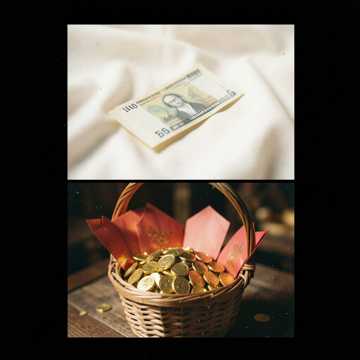
发财又致富
歌曲以俏皮重复的口号式旋律祈愿财富、好运、健康与自由,用轻快的流行、放克和电子舞曲能量营造全民迎财的欢庆氛围。
02:55
15 hours ago

生日快乐
《生日快乐》是一首融合Pop与R&B风格的暖心之作,以细腻深情的男声演唱,传递出温柔而坚定的岁月祝福与关怀。
03:33
17 hours ago

Jade Market Morning
A light, airy Chinese ambient piece driven by a steady40 BPM pulse. Delicate guzheng plucks, cheerful ruan strums, rising xiao phrases, and restrained woodblocks evoke a peaceful morning walk through a lively jade market.
02:57
21 hours ago

Wokside Lantern Walk
A slow cinematic instrumental that evokes an evening walk through a lantern-lit Chinese market. Pentatonic plucks, guzheng, bamboo flute, hand drums, and warm sub pulses build from intimate ambience into a fuller string-led passage before gently fading away.
03:39
22 hours ago

《孤独的52赫兹》
歌曲以52赫兹鲸为隐喻,讲述一个人在深海中反复呼唤却得不到回应的爱情。潮汐、声波与海沟映照距离和沉默,男女声的交织让孤独、执着与微弱希望逐步加深。
04:08
1 days ago

dddd
歌曲以雨后城市与深夜高架为背景,描绘疲惫的人在低沉温柔的电子旋律中卸下执念。缓慢节拍和温暖女声将孤独转化为自我和解的力量,最终带来宁静、被拥抱般的睡前治愈感。
04:18
Invalid date
nght drv
一对恋人在凌晨驾车穿行霓虹都市,不必设定目的地,只随音乐、风与彼此同行,在短暂自由中逃离烦恼并留住心动。
03:24
1 days ago
今天先到这里
歌曲以日常生活片段描绘暂停忙碌的选择:不把未完成视为失败,而是允许自己休息,并带着平静与笃定把事情留给明天。
02:00
2 days ago

无间的罪
一首以卧底身份与道德困境为核心的犯罪叙事歌曲。男女声在激烈说唱和洗脑副歌中交错,描绘黑白失序、命运对决与难以洗清的罪。
02:26
2 days ago
美得耀眼强得坦荡
这是一首以女性自主与身体自信为核心的舞曲宣言。歌曲用高跟鞋、裙摆与聚光灯构建强势舞台形象,在K-pop与硬核电子节拍中,将柔美、性感和不可阻挡的力量融为一体。
03:45
2 days ago

《一起,永远》
歌曲以温柔坚定的男女对唱,讲述恋人共同面对风雨、携手走过岁月,并在相遇、相守与变老的想象中,许下一起走到永远的爱情承诺。
04:02
2 days ago

晨雾里
《晨雾里》以极简慢速的氛围民谣描绘黎明未醒的空间感。原声吉他与柔和钢琴在半拍律动中轻轻呼吸,温暖而克制的留白让聆听者沉入安静、朦胧的晨光。
03:18
3 days ago

谁签的字?谁来偿?
歌曲以漂亮表格与响亮红章反衬被抹去的数字和无法归家的孩子,用极短篇幅直指制度化失责。阴暗戏剧化的卡巴莱行进律动,将讽刺、悲痛与追责凝结为一句反复质问。
00:16
3 days ago
Introduction to the Chinese Music Tag
Chinese music refers to the rich and diverse musical traditions originating from China, encompassing a wide range of genres, instruments, and styles. The history of Chinese music dates back over 3,000 years, evolving through various dynasties and influenced by cultural exchanges, philosophies, and political changes. Traditional Chinese music was deeply rooted in ritualistic and court music, with instruments like the guqin, pipa, and erhu playing pivotal roles. Over time, Chinese music expanded to include folk, religious, and popular forms, reflecting the dynamic cultural landscape of the country. In modern times, Chinese music has further diversified, incorporating elements of Western music while preserving its traditional essence.
Sub-tags and Classifications within Chinese Music
Traditional Chinese Music
Traditional Chinese music includes ancient and classical forms that have been passed down through generations. It is often performed with traditional instruments such as the guqin, pipa, erhu, and dizi. This sub-tag also encompasses regional folk music and operatic forms like Beijing opera and Kunqu.
Contemporary Chinese Music
Contemporary Chinese music reflects the fusion of traditional Chinese elements with modern and Western influences. This category includes genres like Mandopop and Cantopop, as well as modern adaptations of traditional music.
Chinese Classical Music
Chinese classical music is a formal genre that includes both traditional and modern compositions that follow the principles of classical music. It often features elaborate compositions, sophisticated musical techniques, and performances by virtuoso musicians.
Chinese Folk Music
Chinese folk music is an umbrella term for the diverse regional music traditions found throughout China. This includes the music of ethnic minorities, rural communities, and local celebrations, often characterized by the use of indigenous instruments and vocal styles.
Famous Artists and Works in Chinese Music
Lang Lang
Lang Lang is one of the most renowned Chinese pianists globally, known for his virtuosic technique and expressive performances. His work has popularized classical piano music in China and introduced Chinese musical elements to a global audience.
The Butterfly Lovers' Violin Concerto
Composed by He Zhanhao and Chen Gang in 1959, 'The Butterfly Lovers' Violin Concerto' is one of the most famous pieces of Chinese classical music. It tells a tragic love story through a blend of Western orchestral structure and Chinese melodic elements, particularly the use of the pentatonic scale.
Jay Chou
Jay Chou is a pioneering figure in the Mandopop genre, blending traditional Chinese music with pop, R&B, and hip-hop influences. His innovative approach has made him a cultural icon in China and across Asia.
Jay Chou's 'Blue and White Porcelain'
'Blue and White Porcelain' is a Mandopop song by Jay Chou that integrates traditional Chinese music with modern pop. The song features poetic lyrics and the use of Chinese instruments like the guzheng, showcasing Chou's ability to blend old and new musical styles.
Guo Wenjing
Guo Wenjing is a contemporary Chinese composer known for his work in both classical and film music. His compositions often explore the fusion of Chinese and Western musical traditions, making him a key figure in modern Chinese music.
Yellow River Cantata
Composed by Xian Xinghai during the Second Sino-Japanese War, 'Yellow River Cantata' is a patriotic work that has become a symbol of Chinese resistance and unity. The piece combines Western choral and orchestral traditions with Chinese musical themes, making it a cornerstone of Chinese classical music.
Application Scenarios for Chinese Music
Chinese music is frequently used in movie soundtracks to evoke cultural themes, set the tone of a scene, or emphasize emotional moments. For instance, the 'Crouching Tiger, Hidden Dragon' soundtrack, composed by Tan Dun, blends traditional Chinese instruments with orchestral music, creating an immersive cinematic experience.
Movie Soundtracks
The unique sounds of Chinese instruments and melodies are often used in advertising to create a distinct cultural identity or to appeal to Chinese audiences. For example, traditional music is commonly used in ads during the Lunar New Year season to evoke a sense of heritage and celebration.
Advertising Music
Chinese music is increasingly featured in video games, especially those with historical or fantasy settings based on Chinese culture. Games like 'Total War: Three Kingdoms' incorporate traditional Chinese music to enhance the authenticity and atmosphere of the gaming experience.
Video Game Background Music