Free Cinematic Noir Music Generator Powered by AI
Turn text into high-quality Cinematic Noir music effortlessly – no login required!

music.toolTips
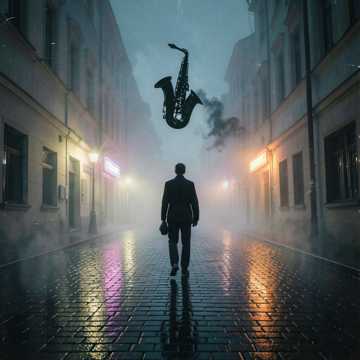
Одесский Япончик
Песня в стиле одесского шансона о Мишке Япончике, ночных переулках Пересыпи и судьбе человека между свободой и законом. Мрачный саксофон и аккордеон создают атмосферу тюремного джаза и уличной романтики Одессы.
04:35
7 hours ago
Introduction to Cinematic Noir Music
Cinematic Noir is a distinctive music genre characterized by dark, moody, and atmospheric soundscapes that evoke suspense, mystery, and emotional tension. Rooted in the aesthetic principles of classic film noir from the 1940s and 1950s, Cinematic Noir music often blends orchestral arrangements, jazz influences, and modern electronic textures to create a dramatic and immersive experience. Historically, the genre emerged alongside noir cinema, evolving from the atmospheric film scores composed by pioneers such as Bernard Herrmann and Miklós Rózsa. Over time, it has expanded beyond film to include independent music, video games, and multimedia projects, maintaining its signature melancholic and tension-driven style.
Sub-tags and Classifications of Cinematic Noir
Neo-Noir
Neo-Noir combines classic noir elements with modern production techniques. It often incorporates electronic instruments, ambient textures, and cinematic sound design, creating a contemporary interpretation of traditional noirCinematic Noir Music Guide aesthetics. Neo-Noir is commonly used in modern thrillers and suspenseful films.
Jazz Noir
Jazz Noir emphasizes the jazz roots of classic film noir, featuring sultry saxophones, moody trumpets, and subtle double bass rhythms. This sub-tag is ideal for evoking urban mystery, late-night cityscapes, and intimate tension in cinematic storytelling.
Orchestral Noir
Orchestral Noir focuses on lush, cinematic orchestral arrangements. It emphasizes strings, low brass, and dissonant harmonies to convey suspense, drama, and psychological tension, often mirroring the emotional depth of noir films from the Golden Age of Hollywood.
Electronic Noir
Electronic Noir blends dark ambient sounds, synthesizers, and electronic percussion to create a modern, edgy, and often dystopian noir atmosphere. It is commonly used in sci-fi thrillers, neo-noir games, and immersive multimedia experiences.
Minimalist Noir
Minimalist Noir relies on subtle soundscapes, sparse instrumentation, and repetitive motifs to build tension and mood. Its understated approach allows the listener’s imagination to amplify suspense and mystery, making it suitable for psychological thrillers and experimental projects.
Famous Artists and Classic Works of Cinematic Noir
Bernard Herrmann
Renowned for his iconic film scores, Bernard Herrmann shaped the sound of classic noir cinema with works like 'Psycho' and 'Vertigo.' His innovative use of dissonance, strings, and orchestral textures laid the foundation for modern Cinematic Noir music.
Psycho (1960) – Score by Bernard Herrmann
The 'Psycho' score is a seminal example of Cinematic Noir, featuring high-pitched string stabs and dissonant harmonies that create extreme tension and fear. Herrmann’s innovative approach to orchestration revolutionized suspense music, influencing generations of noir-inspired composers.
Miklós Rózsa
Miklós Rózsa brought dramatic tension and emotional depth to noir films such as 'Double Indemnity' and 'The Killers.' His mastery of orchestration and dark, moody compositions made him a pioneer of the noir sound.
Double Indemnity (1944) – Score by Miklós Rózsa
Rózsa’s score for 'Double Indemnity' combines jazz-infused motifs with dramatic orchestral arrangements, reinforcing the film’s themes of deceit and moral ambiguity. It exemplifies the classic noir sound that has become a blueprint for the genre.
Clint Mansell
Modern composer Clint Mansell has contributed to the evolution of Cinematic Noir through films like 'Requiem for a Dream' and 'Moon.' He blends electronic and orchestral elements to create haunting, atmospheric scores.
Drive (2011) – Score by Cliff Martinez
While modern, 'Drive' captures the essence of Electronic Noir through atmospheric synths and minimalistic tension-building motifs. Martinez’s work highlights how Cinematic Noir can evolve while retaining its moody, suspenseful core.
Lorne Balfe
Lorne Balfe is known for integrating cinematic tension and dark motifs in projects like 'Mission: Impossible – Fallout.' His style demonstrates how contemporary Cinematic Noir extends into action and suspense genres.
Application Scenarios for Cinematic Noir Music
Cinematic Noir music is widely used in film and television to create suspense, tension, and emotional depth. Its dark and atmospheric qualities enhance crime dramas, thrillers, psychological thrillers, and neo-noir productions.
Film and TV Soundtracks
In video games, Cinematic Noir sets the tone for mysterious, suspenseful, or dystopian narratives. Titles in detective, thriller, and cyberpunk genres often rely on its moody soundscapes to immerse players in the story.
Video Game Backgrounds
Cinematic Noir music is used in advertising and trailers to create intrigue, sophistication, or tension. Its dramatic and stylish characteristics help brands communicate a sense of mystery or high-end elegance.
Advertising and Trailers
Live shows, theatrical performances, and immersive art installations often incorporate Cinematic Noir music to evoke suspenseful atmospheres, engaging the audience through dramatic soundscapes and tension-filled moments.
Theatrical and Live Performances
Audio dramas, crime podcasts, and suspense storytelling use Cinematic Noir music to set mood and build narrative tension. Its expressive, atmospheric qualities help listeners feel immersed in the story.
Podcasts and Audio Drama