Free Historical Music Generator Powered by AI
Turn text into high-quality Historical music effortlessly – no login required!

music.toolTips

متحف الزمن الرقمي
تأخذ الأغنية المستمع في رحلة مسرحية عبر الحضارات، حيث يمتزج الماضي بالمستقبل داخل متحف رقمي تفاعلي. تحتفي بقوة الخيال، والتاريخ، والتقنيات الحديثة، وتحوّل الزائر إلى بطل يعيش الحكاية بنفسه.
03:15
7 minutes ago

Jeanne d'Arc– The Voice of Destiny
A majestic instrumental symphonic composition portraying Jeanne d'Arc's legendary destiny through heroic brass, sweeping strings, medieval instruments, and cinematic orchestral development that culminates in a triumphant, emotionally powerful finale.
03:54
36 minutes ago

Jeanne – The Voice of Destiny
An instrumental cinematic epic portraying the legendary journey of Jeanne through majestic brass, medieval textures and sweeping orchestral movements. The composition evokes courage, destiny and triumph with an authentic symphonic sound free of vocals and modern instruments.
03:13
45 minutes ago
Jeanne – The Voice of Destiny
A grand instrumental cinematic composition inspired by the legendary spirit of Jeanne, blending medieval textures, noble orchestral themes and heroic development into an emotionally uplifting finale that celebrates destiny, courage and enduring hope.
03:22
1 hours ago

Ashes of Ctesiphon
A haunting instrumental cinematic composition that mourns the lost grandeur of Ctesiphon through Middle Eastern orchestration, slow ceremonial percussion, expressive duduk melodies, and powerful orchestral climaxes, creating an atmosphere of tragedy, memory, and timeless resilience.
06:30
1 hours ago

War
Ein minimalistischer Track, der ausschließlich den historischen Namen 'Adolf Hitler' mit schwerem Dubstep und aggressiven Basslinien kombiniert und dadurch eine düstere, bedrückende sowie konfrontative Atmosphäre erzeugt.
02:49
2 hours ago

السيف الدمشقي
أنشودة عربية ذات طابع حماسي تعتمد على صور بلاغية وخطاب تعبوي يستحضر مفردات تاريخية ودينية، مع إيقاع إنشادي قوي يركز على مفاهيم القتال والهوية الجماعية والثبات وفق رؤية النص.
02:24
Invalid date
السيف الدمشقي
أنشودة حماسية تعتمد على مفردات دينية وتاريخية وتمجّد القتال والجهاد بوصفهما وسيلة لتحقيق النصر والعزة، مستخدمةً أسلوبًا بلاغيًا وخطابيًا قريبًا من الأناشيد الوطنية والعسكرية العربية.
02:49
Invalid date
celt2
Uma evocação épica das antigas fortalezas celtas e dos povos esquecidos pela história. A canção mistura simbolismo, espiritualidade e memória ancestral, criando uma atmosfera solene, misteriosa e profundamente cinematográfica.
04:31
4 hours ago
celt1
Uma canção neofolk de atmosfera sombria que homenageia os antigos castros e os povos ancestrais, retratando a memória coletiva, os rituais da pedra e a ligação espiritual entre a natureza, a história e o sagrado através de imagens poderosas e sonoridade ritualística.
05:24
4 hours ago

汕头西堤码头往事
歌曲以汕头西堤码头为背景,通过侨批、轮渡、韩江与家人等意象,描绘潮汕侨乡数百年的离愁与乡情,表达无论远行何方,故乡始终深藏心中的情感。
01:58
4 hours ago

Ashes Of a Empire
A dark cinematic ballad portraying the hidden collapse of empires through manipulation, secrecy, and ancient forces. Rich orchestration and haunting folk influences transform historical imagery into a timeless warning about power, memory, and the consequences of forbidden ambition.
06:01
5 hours ago
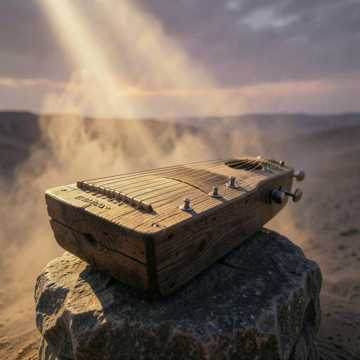
Makkah
Lagu ini mengisahkan perjuangan Abdul Wahab Bugis dalam menyebarkan Islam di Banjar, persaudaraan di Makkah, warisan ilmu keluarga, serta doa tulus bagi para ulama dengan nuansa spiritual yang mendalam.
04:45
6 hours ago

Jugnu
ਇਹ ਗੀਤ ਮਾਂ ਤੋਂ ਵਿਛੋੜੇ, ਕੌਮੀ ਸੰਘਰਸ਼, ਸਵੈ-ਸਨਮਾਨ ਅਤੇ ਯੋਧਾ ਜਜ਼ਬੇ ਨੂੰ ਪ੍ਰਗਟ ਕਰਦਾ ਹੈ. ਉੱਚ-ਊਰਜਾ ਸੰਗੀਤ ਅਤੇ ਤਿੱਖੇ ਵੋਕਲ ਇਸਨੂੰ ਭਾਵਨਾਤਮਕ ਅਤੇ ਪ੍ਰਭਾਵਸ਼ਾਲੀ ਐਂਥਮ ਬਣਾਉਂਦੇ ਹਨ.
04:49
8 hours ago

Dacii
O baladă country-folk care celebrează moștenirea dacilor, îmbinând mândria identitară, nostalgia și speranța. Versurile evocă legende, sacrificiul și legătura spirituală cu trecutul într-o interpretare caldă și eroică.
04:30
10 hours ago

Dacii
Piesa evocă dacii printr-o poveste nostalgică, eroică și poetică, în care lupul, Burebista, Decebal, columna și plaiul devin simboluri ale memoriei și identității. Refrenul repetitiv transformă admirația pentru trecut într-o declarație personală de apartenență și speranță.
04:20
10 hours ago

Dacii
O baladă folk-country ce evocă moștenirea dacilor prin imagini poetice, patriotism și speranță. Versurile îmbină istoria, simbolurile și identitatea culturală într-o călătorie emoționantă, susținută de o interpretare caldă și melodică.
04:25
10 hours ago

Cape Ledges
A mournful sea shanty ballad recounting the wreck of the Allen Line during a brutal February storm. Through vivid maritime imagery, heroic rescue attempts, and enduring grief, it honors those lost while suggesting the sea forever remembers their names.
03:54
Invalid date

Allen Line Steamer
A sorrowful Celtic maritime ballad recounting the tragic wreck of the Allen Line Steamer, honoring lost sailors through vivid ocean imagery, solemn harmonies, and a haunting refrain of remembrance.
05:54
11 hours ago

Min and Bill
A lively disco-inspired rap celebrating the 1930 film 'Min and Bill,' highlighting its waterfront setting, unforgettable characters, Marie Dressler's Oscar-winning performance, and the story's blend of humor, sacrifice, resilience, and emotional depth.
02:44
13 hours ago
Introduction to Historical Music
Historical music encompasses compositions that are rooted in or directly influenced by the music of past eras, often reflecting the styles, forms, and practices of specific historical periods. This genre often includes pieces from the medieval, Renaissance, Baroque, Classical, and Romantic periods, among others. The origins of historical music can be traced back to early human civilizations, where music played a crucial role in cultural and religious ceremonies. Over time, it evolved through various movements, each characterized by distinct musical forms, instruments, and compositional techniques. Historical music not only offers a window into the past but also serves as a foundation for many contemporary genres, influencing modern compositions and performances.
Sub-tags and Classifications of Historical Music
Medieval Music
Medieval music refers to the music of Europe from the fall of the Roman Empire (around 500 AD) to the beginning of the Renaissance (around 1400 AD). It is characterized by the use of monophonic chants and the development of early polyphony. Gregorian chant, a central form of medieval music, is known for its free-flowing, melismatic melodies and is often performed a cappella. The period also saw the rise of secular music, performed by troubadours and minstrels, which included early forms of folk and dance music.
Renaissance Music
Renaissance music spans from the 14th to the 17th century and is marked by greater harmonic complexity and the widespread use of polyphony. Composers like Josquin des Prez and Palestrina became renowned for their intricate vocal compositions. This period also saw the emergence of the madrigal, a form of secular vocal music, and the increased use of instrumental music, paving the way for the development of distinct instrumental genres in later periods.
Baroque Music
Baroque music, spanning from 1600 to 1750, is known for its dramatic, expressive qualities and the use of ornamentation. This period saw the development of many forms still popular today, such as the opera, concerto, sonata, and oratorio. Composers like Johann Sebastian Bach, George Frideric Handel, and Antonio Vivaldi were key figures in shaping the Baroque style, characterized by complex polyphonic textures, contrasts in dynamics, and a heightened sense of drama and emotion.
Classical Music
The Classical period (1730-1820) is characterized by a clear, structured approach to composition, emphasizing form, clarity, and balance. This era saw the development of the symphony, sonata-allegro form, and the string quartet. Composers like Wolfgang Amadeus Mozart, Ludwig van Beethoven, and Franz Joseph Haydn brought these forms to their heights, producing works that are celebrated for their melodic beauty, formal innovation, and expressive range.
Romantic Music
Romantic music, from about 1820 to 1900, emphasizes emotion, individualism, and expressiveness. This period is marked by the expansion of the orchestra, the development of program music, and an increased focus on lyrical melodies and rich harmonies. Composers like Johannes Brahms, Franz Liszt, and Richard Wagner pushed musical boundaries, exploring new harmonic languages and expanding the possibilities of musical form and expression.
Famous Artists and Works in Historical Music
Johann Sebastian Bach
Bach is often regarded as one of the greatest composers of all time. His contributions to the Baroque period are immense, with works like the 'Brandenburg Concertos,' 'The Well-Tempered Clavier,' and 'Mass in B minor' showcasing his mastery of counterpoint, harmonic organization, and melodic invention. Bach's music is celebrated for its intellectual depth, technical command, and artistic beauty.
The Well-Tempered Clavier by Johann Sebastian Bach
This monumental collection consists of two books, each containing 24 preludes and fugues in all major and minor keys. The work is considered one of the cornerstones of Western classical music, demonstrating the full potential of equal temperament tuning and serving as a masterclass in counterpoint and harmonic development. Its influence on both Baroque and later composers is immeasurable.
Wolfgang Amadeus Mozart
A prolific and influential composer of the Classical period, Mozart's music is renowned for its clarity, balance, and form. His works, such as 'The Magic Flute,' 'Symphony No. 40 in G minor,' and 'Piano Concerto No. 21,' reflect a mastery of the Classical style and a deep understanding of the human emotional experience, balancing lightness and drama with elegance.
Symphony No. 9 in D minor, Op. 125 by Ludwig van Beethoven
Also known as the 'Choral Symphony,' this work is notable for its unprecedented inclusion of a choir and vocal soloists in the final movement. It is celebrated for its revolutionary structure, emotional depth, and the use of Friedrich Schiller's 'Ode to Joy,' which has become a universal symbol of unity and freedom. Beethoven's Ninth Symphony pushed the boundaries of the symphonic form and laid the groundwork for the Romantic symphony.
Ludwig van Beethoven
Beethoven's work marks the transition from the Classical to the Romantic era. His compositions, such as the 'Eroica Symphony,' 'Fidelio,' and 'Piano Sonata No. 14 (Moonlight Sonata),' are known for their emotional intensity, structural innovation, and expansive scale. Beethoven's ability to convey deep emotion and his innovations in form and harmony had a profound impact on the course of Western music.
Application Scenarios for Historical Music
Historical music is often used in movie soundtracks to evoke a specific period setting or emotional tone. For example, Baroque or Classical compositions might be chosen for films set in the 17th or 18th centuries to provide an authentic auditory backdrop, enhancing the storytelling by immersing viewers in the era.
Movie Soundtracks
In advertising, historical music can be used to convey sophistication, elegance, or nostalgia. Brands may use Classical pieces in commercials to associate their products with refinement and high culture, or Romantic-era music to evoke emotions and create a memorable connection with the audience.
Advertising Music
In video games, historical music is often used to create an immersive experience that matches the game's setting or narrative. For instance, games set in medieval or Renaissance times might use period-appropriate music to enhance the atmosphere and provide players with a more engaging, historically resonant experience.
Game Background Music