Free Nahawand Music Generator Powered by AI
Turn text into high-quality Nahawand music effortlessly – no login required!

music.toolTips

قلبي الي غنى لك
أغنية رومانسية حزينة تدور حول عاشق ما زال أسير الذكريات والاشتياق بعد رحيل حبيبه. يعبر عن لوعة الفراق والأمل في العودة، بينما يظل قلبه الذي غنى للحبيب نابضاً بالحب والوفاء رغم الألم.
04:58
16 hours ago
قلبي الي غنى لك
أغنية رومانسية حزينة تحكي قصة عاشق أنهكه الفراق، يشتاق إلى حبيب رحل ويترقب عودته، مع مشاعر وفاء وحنين عميق تتجسد في أجواء طرب مصري كلاسيكي بطيء.
04:07
17 hours ago
انا قبطانك
تقدم 'أنا قبطانك' قصة حب تُصاغ كرحلة بحرية عاطفية، حيث يتقمص الراوي دور القبطان الذي يحمي محبوبته وسط العواصف. تعتمد الأغنية على دفء المقام النهوند، والجيتار الإسباني، وأداء صوتي حميم يحمل الشوق والثبات والوفاء.
03:31
3 days ago
ماظنيت
تصور الأغنية حالة عاشق مصدوم بخبر تبدل مشاعر من أحب، فيعيش بين الذهول والشكوى والحنين. تتصاعد مشاعر الخذلان عبر تكرار عبارة 'ماظنيت' لتصبح مرثية وجدانية تمزج الألم بالوفاء.
03:55
3 days ago
ماما
أغنية رثاء مؤثرة للأم الراحلة، يعبر فيها الابن عن ألمه العميق بعد الفراق واشتياقه لصوتها وحنانها. تمتزج الذكريات الجميلة بالدعاء والوفاء، في رحلة عاطفية مليئة بالحزن والمحبة الخالدة.
04:21
3 days ago
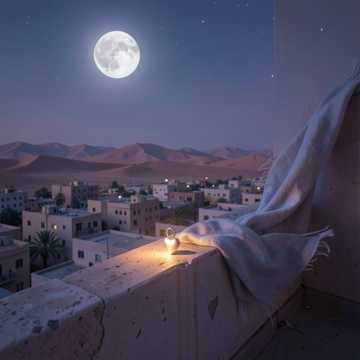
باقي فيا جرحك — Baqi Fia Jarhek
أغنية راي عاطفية تروي قصة عاشق ما زال يحمل جرح الفراق رغم مرور الزمن، يعيش بين الذكريات والندم والوفاء، في أجواء ليلية حزينة تعكس صراع القلب مع النسيان والحب الذي لم يمت.
05:26
4 days ago

ماظنيت
تجسد الأغنية مشاعر الصدمة والحزن بعد اكتشاف تغيّر الحبيب وارتباطه بغيره. ومن خلال كلمات العتاب والحنين، يعبر الراوي عن خيبة الأمل والألم والاشتياق، ضمن قالب طربي خليجي كلاسيكي غني بالعاطفة والدفء.
06:34
6 days ago

ماظنيت
تجسد أغنية 'ماظنيت' مشاعر الصدمة والحزن بعد اكتشاف خيانة الحبيب وتحوله إلى حب آخر. تتنقل الكلمات بين الذكريات والعتاب والحنين، بينما يعزز الطرب الخليجي الكلاسيكي الإحساس بالأسى والاشتياق والأمل الضائع.
04:21
6 days ago

Sssg
أغنية تتناول وجع الفراق والاشتياق لشخص رحل تاركاً خلفه الذكريات والندم. تمزج الكلمات الحزينة مع إيقاع راقص سريع وطاقة موسيقية قوية، ما يخلق تجربة عاطفية تجمع بين الألم والحركة في آن واحد.
02:25
6 days ago

1البركااااااان
أغنية عاطفية تصف حبيباً يدرك حب محبوبته رغم إنكارها له. يشبّه الحب ببركانٍ يظل مكتوماً حتى ينفجر، داعياً إلى الاعتراف بالمشاعر قبل أن يتحول الشوق والحرمان إلى ألمٍ لا يُحتمل، ضمن قالب طربي جبلي حزين ومؤثر.
04:18
6 days ago
Nahawand Maqam: Definition, History, and Musical Characteristics
Nahawand is one of the most important maqamat (melodic modes) in Arabic, Turkish, and Middle Eastern music traditions. Often compared to the Western harmonic and natural minor scales, the Nahawand maqam is known for its emotional depth, expressive melancholy, and versatile melodic structure. The Nahawand scale typically begins on a tonic note and follows an interval pattern that creates a rich, dramatic, and introspective sound. Historically, Nahawand developed as part of the broader maqam system that emerged across the Arab world, Persia, and the Ottoman Empire. The name 'Nahawand' is believed to originate from the ancient city of Nahavand in present-day Iran, reflecting the intercultural exchange that shaped Middle Eastern music. Over centuries, Nahawand became a foundational maqam used in classical Arabic compositions, instrumental improvisations (taqsim), religious recitations, and modern popular music. Today, Nahawand remains one of the most frequently used maqamat due to its accessibility, emotional range, and compatibility with both traditional and contemporary musical styles. Its ability to evoke feelingsNahawand Maqam Overview of longing, romance, nostalgia, and reflection has made Nahawand a central component of Arabic music education and performance.
Nahawand Sub-tags and Classifications in Traditional and Modern Music
Nahawand on Rast
Nahawand on Rast is the most common form of Nahawand maqam, built on the Rast tonic. It serves as a foundational mode in Arabic music education and repertoire. This classification emphasizes balanced emotional expression and is frequently used in classical vocal performances, instrumental compositions, and taqsim improvisations.
Nahawand on Dukah
Nahawand on Dukah shifts the tonic to Dukah (D), creating a slightly different tonal center while preserving the characteristic Nahawand interval structure. This variation is popular in orchestral Arabic music and allows performers to explore distinct emotional colors while maintaining the recognizable Nahawand sound.
Nahawand Murassa
Nahawand Murassa is an enriched variation that incorporates additional jins (tetrachords) and ornamental modulations. This classification is frequently found in advanced Arabic compositions and showcases the maqam's capacity for melodic complexity, dramatic transitions, and sophisticated emotional storytelling.
Classical Nahawand
Classical Nahawand refers to traditional interpretations found in Arabic art music, Ottoman court music, and historical compositions. It emphasizes authentic maqam performance practices, intricate ornamentation, and adherence to traditional melodic pathways developed over centuries.
Contemporary Nahawand
Contemporary Nahawand integrates traditional maqam elements with modern musical genres such as pop, jazz, fusion, and film scoring. This classification demonstrates the adaptability of Nahawand and its continued relevance in global music production.
Nahawand Taqsim
Nahawand Taqsim focuses on improvised solo performances that explore the maqam's melodic possibilities. Musicians use this format to demonstrate technical skill, emotional interpretation, and creative modulation while remaining within the framework of Nahawand.
Famous Nahawand Artists and Classic Nahawand Works
Umm Kulthum
Widely regarded as one of the greatest voices in Arabic music history, Umm Kulthum frequently performed compositions utilizing Nahawand maqam. Her interpretations demonstrated the maqam's emotional richness and helped popularize Nahawand among audiences across the Arab world. Her performances combined technical mastery, expressive phrasing, and sophisticated maqam modulation.
Alf Leila wa Leila
This iconic Arabic masterpiece showcases extensive use of Nahawand-inspired melodic passages. The composition blends orchestral sophistication with traditional maqam structures, creating an emotionally compelling narrative. Its innovative arrangement demonstrated how Nahawand could function effectively within large-scale musical productions.
Mohammed Abdel Wahab
A pioneering composer, singer, and innovator, Mohammed Abdel Wahab incorporated Nahawand extensively into his works. He blended traditional maqam structures with Western orchestration, expanding the expressive possibilities of Nahawand and influencing generations of Arab musicians.
Layali Nahawand
A classic instrumental exploration of Nahawand maqam, this work highlights the mode's characteristic emotional atmosphere. Through gradual melodic development and expressive ornamentation, the piece illustrates the maqam's ability to convey longing, introspection, and beauty.
Farid al-Atrash
Renowned for his virtuosity on the oud, Farid al-Atrash frequently employed Nahawand in both instrumental and vocal compositions. His works showcased the maqam's lyrical qualities and its effectiveness in conveying romance and emotional depth.
Nahawand Taqsim for Oud
This traditional improvisational format serves as a benchmark for mastering Nahawand. The performance structure allows musicians to explore modulations, emotional nuances, and technical virtuosity while remaining grounded in the maqam's melodic identity.
Sabah Fakhri
Known for preserving classical Arabic music traditions, Sabah Fakhri performed numerous pieces based on Nahawand. His interpretations highlighted the maqam's improvisational potential and reinforced its significance within traditional Arab music culture.
Ya Msafer Wahdak
A celebrated song associated with Mohammed Abdel Wahab, this work demonstrates how Nahawand can be integrated into modern song structures. The composition balances traditional maqam expression with accessible melodies, contributing to the popularization of Nahawand in mainstream Arabic music.
Munir Bashir
One of the most influential oud players of the twentieth century, Munir Bashir explored Nahawand extensively in his instrumental recordings. His innovative taqsim performances demonstrated the maqam's expressive flexibility and introduced it to international audiences.
Classical Ottoman Nahawand Peşrev
These instrumental compositions represent the Ottoman interpretation of Nahawand. Their structured forms, sophisticated rhythmic cycles, and elegant melodic architecture reveal the maqam's historical importance across multiple Middle Eastern musical traditions.
Nahawand Music Application Scenarios Across Media and Entertainment
Nahawand music is frequently used in film scores to evoke emotional depth, nostalgia, romance, and dramatic tension. Its minor-like character makes it particularly effective for historical dramas, emotional scenes, and character development sequences.
Movie Soundtracks
Television composers often utilize Nahawand-based themes to create memorable emotional motifs. The maqam's expressive qualities help reinforce storytelling, enhance audience engagement, and establish cultural authenticity in Middle Eastern productions.
Television Series and Drama Productions
Brands targeting Middle Eastern audiences may incorporate Nahawand-inspired melodies to establish emotional connections, cultural familiarity, and a sense of authenticity. The maqam's evocative nature can strengthen brand storytelling and audience resonance.
Advertising and Brand Campaigns
Game composers use Nahawand in adventure, historical, fantasy, and narrative-driven games. The maqam contributes atmosphere, emotional immersion, and regional identity, making it especially suitable for settings inspired by Middle Eastern cultures.
Video Game Background Music
Nahawand music is commonly featured in documentaries exploring Middle Eastern history, culture, and heritage. Its traditional roots help establish historical context while maintaining emotional engagement throughout the viewing experience.
Documentary Productions
Due to its introspective and calming qualities, Nahawand is often used in relaxation playlists, contemplative music collections, and mindful listening experiences. Its melodic flow encourages emotional reflection and mental focus.
Meditation and Reflective Listening
Nahawand remains a staple of concerts, festivals, and cultural events dedicated to Arabic and Middle Eastern music. Performers frequently use the maqam for both composed works and improvisational showcases that highlight artistic skill and cultural heritage.
Live Cultural Performances
Nahawand is widely taught in conservatories and music schools as an essential maqam. Students learn its scale structure, melodic development, modulation techniques, and performance practices, making it a cornerstone of traditional music education.
Music Education and Maqam Training