Free Nigerian Style Music Generator Powered by AI
Turn text into high-quality Nigerian Style music effortlessly – no login required!

music.toolTips
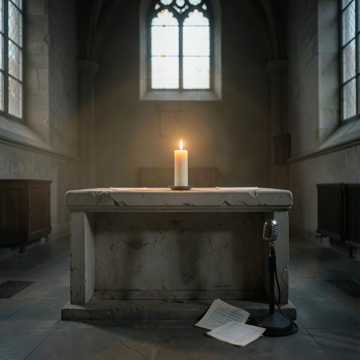
Tears at the Altar
A deeply emotional worship anthem of surrender, blending intimate prayer, prophetic Nigerian rhythms, and heartfelt adoration, capturing a journey from brokenness to spiritual restoration.
06:08
6 days ago
Introduction to Nigerian Style Music: Origins and Evolution
Sub-tags and Classifications of Nigerian Style Music
Afrobeat
Afrobeat is a genre that blends traditional Nigerian music with jazz, funk, and highlife. Popularized by the legendary Fela Kuti, Afrobeat has become a hallmark of Nigerian style music. The genre is known for its complex rhythms, vibrant hornNigerian style music overview sections, and politically charged lyrics, making it a powerful vehicle for social commentary and activism.
Afropop
Afropop is a modern genre that blends traditional African sounds with contemporary pop, R&B, and hip-hop elements. Nigerian artists like Wizkid, Burna Boy, and Tiwa Savage have been at the forefront of this genre, creating a global sensation with their catchy beats and melodic hooks. Afropop is known for its upbeat rhythms and fusion of Western and African musical influences.
Highlife
Highlife is a genre that originated in West Africa, combining traditional African melodies with Western instruments like the guitar and trumpet. Nigerian highlife music features vibrant guitar riffs and rhythmic percussion, often with lyrics reflecting Nigerian culture and societal issues. Highlife music is deeply embedded in the history of Nigerian music, with artists like Victor Olaiya and Chief Stephen Osita Osadebe playing a crucial role in its development.
Jùjú
Jùjú is a popular Nigerian genre that evolved from traditional Yoruba music, characterized by its use of talking drums, drums, and percussion instruments. The genre gained widespread recognition through artists like King Sunny Ade and Ebenezer Obey, who blended traditional Yoruba rhythms with Western instruments. Jùjú is known for its lively, danceable beats and is often performed at social gatherings and celebrations.
Famous Nigerian Style Artists and Iconic Works
Fela Kuti
Fela Kuti is the pioneering figure of Afrobeat music, blending jazz, funk, and traditional African rhythms to create a genre that would influence global music. His iconic works, such as 'Zombie' and 'Water No Get Enemy', are known for their political and social commentary, addressing issues like corruption, police brutality, and human rights. Fela's fusion of traditional Nigerian sounds with Western influences made Afrobeat a global phenomenon.
Zombie - Fela Kuti
Released in 1976, 'Zombie' is one of Fela Kuti's most influential works, showcasing the political power of Afrobeat. The album critiques the Nigerian military regime, with the song 'Zombie' serving as an indictment of soldiers who blindly follow orders. The work combines tight horn sections, complex rhythms, and powerful lyrics, making it a classic in the Afrobeat genre.
Burna Boy
Burna Boy, a contemporary Afro-fusion artist, has gained international acclaim with his blend of Afrobeat, reggae, dancehall, and pop. His album 'African Giant' showcased his unique sound, with hits like 'Anybody' and 'Gbona' propelling him to global stardom. Burna Boy is known for his ability to fuse traditional African themes with modern genres, making Nigerian music accessible worldwide.
African Giant - Burna Boy
Burna Boy's 'African Giant' is a monumental album that fuses Afrobeat, reggae, dancehall, and hip-hop. The album's tracks like 'Anybody' and 'Gbona' explore themes of African identity, resilience, and pride. The innovative production and Burna Boy's unique vocal delivery make this album a landmark in contemporary Nigerian music.
Wizkid
Wizkid is a Nigerian pop star who has redefined Afropop on the global stage. His breakout hit 'Ojuelegba' brought international attention to his music, and his collaboration with Drake on 'One Dance' cemented his place in global pop music. Wizkid's style blends Afropop, dancehall, and R&B, creating a sound that resonates with diverse audiences.
Ojuelegba - Wizkid
'Ojuelegba' is a deeply personal track by Wizkid that reflects on his rise to fame and the struggles he faced growing up in Lagos. The song blends Afropop with a smooth, laid-back beat, and its success catapulted Wizkid into the international spotlight. The track became an anthem of hope and determination for many fans.
King Sunny Ade
King Sunny Ade is a legendary Jùjú musician who has been credited with popularizing the genre both in Nigeria and internationally. His album 'Syncro System' brought Jùjú music to the Western world, blending traditional Yoruba rhythms with Western instruments. King Sunny Ade is known for his complex rhythms and virtuosity on the talking drum.
Application Scenarios for Nigerian Style Music
Nigerian style music, particularly Afrobeat and Afropop, is increasingly being used in movie soundtracks to convey energy, culture, and emotion. Films like 'The Wedding Party' and 'Lionheart' have incorporated Nigerian music to capture the essence of Nigerian life and culture, enhancing the storytelling experience with authentic, vibrant soundtracks.
Movie Soundtracks
With the global rise of Nigerian music, brands are using Nigerian style music in advertisements to connect with diverse audiences. The upbeat rhythms and catchy melodies of Afropop and Afrobeat are perfect for campaigns targeting younger, energetic demographics. Brands like Pepsi and Nike have featured Nigerian artists like Wizkid and Burna Boy in their commercials to capitalize on the global appeal of Nigerian music.
Advertising Music
Nigerian style music has also found its way into the world of video game soundtracks. Games that aim to create an immersive African or Nigerian experience often use traditional Nigerian instruments like the talking drum or the djembe. The use of Afrobeat in games helps to enhance the cultural atmosphere and create a deeper connection with players.
Game Background Music