Free Oman Music Generator Powered by AI
Turn text into high-quality Oman music effortlessly – no login required!

music.toolTips

السلطان هيثم في 54 تزهو بلادنا
This anthem celebrates the leadership and vision of Sultan Haitham, capturing the pride, unity, and devotion of Oman. With emotional depth and a triumphant melody, it honors the Sultan's role in guiding the nation toward a brighter future.
02:39
2024-11-15

يالسلطان هيثم الفخر في عيد 54 يالبطل
This song celebrates Sultan Haitham's leadership on Oman's 54th National Day. It emphasizes pride, unity, and the nation's journey under his rule, blending heartfelt lyrics with a spirited Arabic folk melody to honor the Sultan and the country's achievements.
02:21
2024-11-15

يا السلطان
A patriotic anthem celebrating Oman’s 54th National Day, highlighting its history, pride, and unity. The lyrics reflect deep love for the country, invoking a sense of pride and joy in its people and heritage.
02:34
2024-11-15

ddd
A dreamy melody celebrating the historical and cultural legacy of Oman's capital city, richly expressed through poetic Arabic lyrics.
02:42
2024-10-03
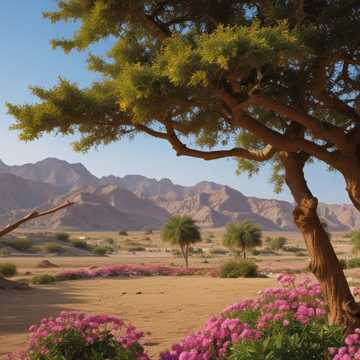
oman
oman is a poignant tribute to Omani identity and spirit, blending downtempo, lounge, and dreamy elements into a heartfelt anthem of pride and resilience.
02:12
2024-10-02
Introduction to Oman Music: Origins and Evolution
Oman music refers to the traditional and contemporary musical expressions from the Sultanate of Oman, a country located on the southeastern coast of the Arabian Peninsula. With a rich cultural heritage shaped by various influences, Oman music encompasses a blend of Bedouin, Arab, and African elements. Historically, Omani music has been passed down through generations orally, with its roots in tribal traditions, royal court performances, and religious ceremonies. Over time, Omani music has evolved, integrating modern styles while maintaining its deep connection to the country’s cultural identity.
Sub-tags and Classifications of Oman Music
Traditional Omani Music
Traditional Omani music is deeply influenced by the country's desert heritage and coastal environment. It is characterized by the use of native instruments such as the oud, darbuka, and the riq. The musical scales often feature pentatonic structures, and songs are typically based on themes of daily life, love, and the natural world. This sub-tag includes folk songs, poetic performances, and ceremonial music performed during weddings, festivals, and other social gatherings.
Modern Omani Music
Modern Omani music blends contemporary genres like pop, rockOman music overview, and electronic with traditional musical elements. In this classification, Omani musicians incorporate global influences, while still paying homage to their cultural roots. Modern Omani artists use digital instruments and synthesizers alongside traditional ones, producing a fusion of styles that appeals to both younger and older generations. The evolution of this sub-tag reflects the country's modernization, globalization, and the increasing presence of Oman on the international music scene.
Religious and Spiritual Music
Religious and spiritual music in Oman is an integral part of the Islamic faith and culture. It includes Qur’anic recitations, Sufi chants, and music performed during Islamic ceremonies such as weddings, Ramadan, and Eid celebrations. The melodies often have a meditative quality, designed to connect the listener with the divine. Instruments like the oud and percussion are used, but the emphasis is often on vocal performance, with the recitation of sacred texts playing a central role.
Famous Omani Artists and Classic Works
Salim Al-Mahrooqi
Salim Al-Mahrooqi is one of the most recognized names in Omani music. Known for his mastery of traditional instruments such as the oud and his distinct voice, Al-Mahrooqi’s works blend folk music with modern sensibilities. His songs often reflect themes of love, nature, and national pride, making him a beloved figure in Oman. One of his most iconic works is the album 'Al-Aswat,' which is widely regarded as a milestone in Omani musical history.
Al-Aswat
Al-Aswat, by Salim Al-Mahrooqi, is a groundbreaking album that explores the fusion of traditional Omani music with modern instruments and production techniques. The album features a mix of folk melodies with contemporary rhythms, and its rich vocal performances are emblematic of Omani cultural pride. It showcases the beauty of Oman’s desert landscapes and coastal life, blending deeply rooted traditions with a forward-thinking approach to music.
Khalid Al-Zadjali
Khalid Al-Zadjali is a celebrated Omani singer-songwriter known for his contributions to modern Omani music. Blending traditional melodies with contemporary sounds, his work resonates with a wide range of audiences. His hit songs like 'Naghmat Al-Qamar' and 'Fi Hada' showcase his vocal range and unique blend of Omani folk influences with Western pop elements, making him a trailblazer in the fusion of Omani music with global trends.
Naghmat Al-Qamar
Naghmat Al-Qamar by Khalid Al-Zadjali is one of the most popular songs in Omani music history. The song features a delicate fusion of traditional Omani oud playing with contemporary guitar riffs, creating a smooth and evocative listening experience. Al-Zadjali’s voice is both powerful and soothing, and the song’s lyrics, which reflect themes of longing and love, resonate deeply with audiences across generations.
Mohammed Al-Khalili
Mohammed Al-Khalili is a renowned Omani composer and musician famous for his classical compositions as well as his role in the preservation and promotion of traditional Omani music. His compositions often include elements from Oman’s tribal and maritime heritage, and his work has been pivotal in introducing Omani music to international audiences through performances and collaborations with other musicians.
Fi Hada
Fi Hada, another iconic track by Khalid Al-Zadjali, delves into the emotions surrounding separation and reunion. The song is notable for its use of traditional percussion instruments alongside electronic beats, highlighting the evolving nature of modern Omani music. It is a fine example of how Omani artists are modernizing their musical heritage without losing sight of their cultural roots.
Applications of Omani Music in Different Scenarios
Omani music has found its place in film soundtracks, particularly in projects seeking to evoke themes of the Middle East, Oman’s natural landscapes, or the mystical desert. Traditional Omani melodies can add an authentic atmosphere to a film, grounding it in the culture of the region. Modern Omani music is also used in films to bring a contemporary feel to stories set in Oman or the Arabian Peninsula.
Movie Soundtracks
Omani music is also used in advertising to create an emotional connection with viewers. The country's unique sound, with its distinct blend of traditional and modern influences, is used in commercials to convey messages of authenticity, heritage, and cultural pride. Whether it’s promoting Omani products or international brands seeking to tap into the Middle Eastern market, Omani music provides a deep cultural resonance.
Advertising Music
In video game soundtracks, Omani music can be used to transport players to vast desert landscapes or ancient civilizations. The ethereal, haunting qualities of traditional Omani instruments can add depth to fantasy and adventure games, creating an immersive atmosphere that draws players into a world of mystery and exploration. Modern Omani electronic music can also be incorporated into futuristic or action-oriented games.
Video Game Soundtracks