Free Rhythmic bounce Music Generator Powered by AI
Turn text into high-quality Rhythmic bounce music effortlessly – no login required!

music.toolTips
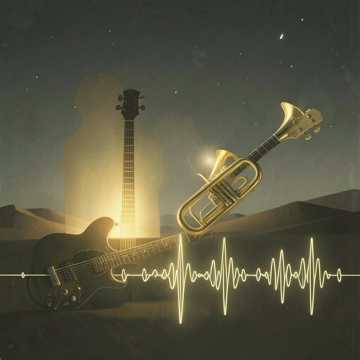
Trenza y Requinto
An instrumental corridos tumbados track built on dusty regional swing, driven by requinto melodies, bajo sexto texture, and deep tuba pulses. Dynamic structure moves from sparse verses to explosive choruses, delivering warm, rhythmic energy and expressive guitar-led storytelling without vocals.
01:53
Invalid date

"Rage and Rhythm: Streets of Fire"-V-2.0
This upbeat anthem celebrates freedom, dance, and self-expression, encouraging listeners to join in and embrace the rhythm of life without the burden of romance.
02:30
2024-10-12
Introduction to Rhythmic Bounce
Rhythmic bounce refers to a genre of music characterized by a dynamic, lively groove that is highly syncopated, featuring a bouncy rhythm that makes the listener want to move. It is often associated with genres like funk, hip-hop, and dance music, where the rhythm drives the entire musical structure. Rhythmic bounce evolved in the 1970s and 1980s as an extension of the groove-heavy, syncopated rhythms found in funk and disco music. Artists and producers began experimenting with drum machines and electronic rhythms, giving rise to an upbeat and energetic form that emphasizes rhythm over melody. Over time, rhythmic bounce found its way into various musical styles, adapting and influencing the development of modern hip-hop, dancehall, and electronic music.
Sub-tags and Classifications of Rhythmic Bounce
Funk Bounce
Funk bounce is a sub-genre of rhythmic bounce that emphasizes the use of syncopated basslines, tight drum patterns, and offbeat guitar riffs. It draws heavily from the classic funk era, incorporating elements like slapping bass and percussive drumming, creating a rhythm-driven sound. Artists like James Brown and George Clinton are known for shaping the early funk bounce sound, which became a blueprint for modernRhythmic Bounce Overview rhythmic bounce.
Hip-Hop Bounce
Hip-hop bounce merges rhythmic bounce with the classic elements of hip-hop, like turntablism, beatboxing, and vocal sampling. The genre emphasizes tight drum patterns, heavy bass, and a rhythmically forward approach to rap delivery. Artists like DJ Premier and J Dilla have been instrumental in the evolution of this form, creating beats that perfectly capture the 'bounce' effect.
Electronic Bounce
Electronic bounce takes the foundation of rhythmic bounce and integrates synthetic sounds, digital effects, and house or techno beats. The emphasis is placed on electronic production, where the rhythms are both complex and infectious. Artists like Skrillex, Diplo, and Daft Punk have popularized electronic bounce through their energetic club tracks, blending rhythmic bounce with electronic dance music.
Dancehall Bounce
Dancehall bounce merges the rhythmic bounce style with the high-energy, upbeat tempos of dancehall music. It focuses on syncopated rhythms and heavy bass that are characteristic of Caribbean-influenced genres. The bounce effect in dancehall adds an extra layer of groove that makes the music even more infectious, as seen in the works of artists like Sean Paul and Beenie Man.
Famous Artists and Works Related to Rhythmic Bounce
James Brown
Often referred to as the 'Godfather of Soul,' James Brown is a pivotal figure in the development of rhythmic bounce. His innovative use of syncopated rhythms, tight drum patterns, and infectious basslines set the foundation for the bounce genre. Classic works like 'Get Up (I Feel Like Being a) Sex Machine' and 'Papa's Got a Brand New Bag' laid the groundwork for the funk bounce sound, influencing generations of musicians.
Get Up (I Feel Like Being a) Sex Machine by James Brown
This classic track by James Brown is one of the quintessential examples of funk bounce, featuring a tight rhythm section, syncopated basslines, and a driving drum beat. The song's iconic groove creates an irresistibly infectious bounce that encourages movement, and its influence can be felt across genres like hip-hop, funk, and electronic music.
J Dilla
J Dilla is a legendary producer in the world of hip-hop bounce, known for his soulful and intricate beats that perfectly blend rhythm and groove. His album 'Donuts' is widely regarded as a masterpiece of rhythmic bounce, showcasing his skill in creating infectious drum patterns and soulful loops that inspire movement and energy in listeners.
Donuts by J Dilla
J Dilla's 'Donuts' is a masterpiece of rhythmic bounce in the hip-hop genre, featuring intricate drum patterns, soulful samples, and a relentless rhythm that brings out the essence of the bounce. The album is known for its unconventional beats and its contribution to reshaping hip-hop production, with every track offering a unique bounce that feels fresh yet nostalgic.
Diplo
Diplo is one of the prominent figures in electronic bounce, blending elements of electronic music, hip-hop, and dancehall into his production style. With his projects like Major Lazer and his solo works, Diplo has created high-energy beats that are a staple in both the electronic and rhythmic bounce scenes, merging heavy bass and rhythmic drive into one infectious sound.
Paper Planes by M.I.A.
'Paper Planes' is a song that incorporates elements of rhythmic bounce, blending electronic beats with a dancehall influence. Its rhythmic flow and infectious groove made it a worldwide hit, capturing the fusion of global music influences and the timeless appeal of rhythmic bounce.
Application Scenarios of Rhythmic Bounce
Rhythmic bounce is frequently used in movie soundtracks to energize action scenes or dance sequences. The infectious rhythm helps set the pace and mood of the film, creating an intense or lively atmosphere. Films like 'Baby Driver' and 'Guardians of the Galaxy' use rhythmic bounce to complement their fast-paced action sequences and build excitement.
Movie Soundtracks
Many brands use rhythmic bounce in their advertising campaigns to create a catchy and energetic atmosphere that captures the audience's attention. The bouncy rhythms in commercials help products feel fresh and modern, encouraging a positive emotional response. Brands like Nike and Coca-Cola have used rhythmic bounce effectively in their ads to appeal to a younger, energetic audience.
Advertising Music
In video games, rhythmic bounce is often used in the background music to enhance the player's experience. The infectious rhythms help immerse players in the game world, making the gameplay more engaging. Games like 'Just Dance' and 'Guitar Hero' rely on rhythmic bounce to fuel the rhythm-based mechanics and keep the player in motion.
Video Game Background Music