Free Shakuhachi Music Generator Powered by AI
Turn text into high-quality Shakuhachi music effortlessly – no login required!

music.toolTips

Matsuri Under Moon
An instrumental fusion of phonk and traditional Japanese festival sounds, creating a magical moonlit atmosphere through hypnotic rhythms, deep bass, shimmering textures, and folkloric melodies that balance ritual elegance with modern club energy.
03:11
4 hours ago

Paper Cranes
A deeply emotional ballad about coping with separation through memories and symbolic paper cranes. Gentle Japanese-inspired instrumentation and cinematic arrangements transform grief into a quiet expression of enduring love, remembrance, and hope.
04:12
16 hours ago

Midnight Drift Run
A cinematic trap instrumental blending powerful 808 bass, taiko-inspired rhythms, oriental plucked strings, shakuhachi accents, and soaring synth melodies into an intense, high-speed night-drive experience with dramatic builds and explosive drops.
03:05
20 hours ago
A Butterfly Will Soar
A cinematic fantasy anthem celebrating hope, childhood wonder, and transformation. Gentle child vocals, orchestral grandeur, traditional Japanese instruments, and inspiring choruses paint butterflies as symbols of courage, freedom, and new beginnings.
05:59
1 days ago
A Butterfly Will Soar
A magical orchestral journey where children, butterflies, and nature symbolize hope, courage, and growth. Traditional Japanese instruments, cinematic arrangements, and heartfelt vocals create an uplifting fantasy anthem celebrating the beauty of dreams taking flight.
05:52
1 days ago
A Butterfly Will Soar
A heartfelt cinematic children's anthem celebrating hope, growth, and courageA Butterfly Will Soar through the journey of a butterfly. Japanese-inspired instrumentation, orchestral grandeur, and tender child vocals create an emotional fantasy theme filled with wonder, unity, and the promise of soaring toward brighter horizons.
05:45
1 days ago

Sakura Armor
A cinematic Japanese-inspired instrumental that unfolds from meditative stillness into a dramatic battlefield crescendo before resolving in serene tranquility, balancing traditional instruments with orchestral depth to evoke honor, resilience, and inner peace.
03:20
1 days ago
The Hound at the Gate
A once-feral guardian, forged in violence, discovers compassion through human connection and ultimately chooses to protect rather than destroy. The song blends dark metal intensity with traditional Japanese elements to portray redemption, duty, and unwavering vigilance.
07:02
1 days ago
The Hound at the Gate
闇から生まれた猟犬が、誰かとの出会いによって破壊ではなく守護を選ぶ物語。和楽器とヘヴィメタルが融合し、贖罪、成長、希望、そして揺るがない忠誠を壮大に描いている。
05:32
1 days ago
A Butterfly Will Soar
A cinematic Japanese-inspired children's anthem celebrating hope, innocence, and growth. Through butterfly imagery, soaring orchestral arrangements, and heartfelt child vocals, the song encourages listeners to embrace courage, friendship, and new beginnings with wonder and joy.
06:07
2 days ago
A Butterfly Will Soar
A heartfelt cinematic children's song celebrating hope, growth, and courage through the metaphor of butterflies. Traditional Japanese instruments, orchestral grandeur, and innocent child vocals create a magical adventure that inspires listeners to embrace new beginnings and dream without fear.
05:17
2 days ago
A Butterfly Will Soar
A heartfelt cinematic children's anthemSong Analysis: Butterfly Soar celebrating hope, growth, friendship, and courage through the imagery of butterflies. Traditional Japanese instruments, orchestral arrangements, and youthful voices create an enchanting fantasy atmosphere filled with wonder and emotional warmth.
05:21
2 days ago

Oni ga Kuru
A cinematic dark rock journey where ancient demons invade Kyoto, blending Japanese folklore, ominous atmosphere, taiko-driven intensity, and desperate human resilience into a haunting battle between sacred tradition and supernatural darkness.
04:05
2 days ago

Leafside Drift
A tranquil instrumental lofi hip-hop piece that blends warm piano, mellow guitar, airy synths, and subtle Japanese-inspired motifs into a nostalgic, vinyl-textured soundscape ideal for studying, relaxing, creative work, or quiet evening moments.
04:03
2 days ago

A Butterfly Will Soar
A cinematic JRPG-inspired children's anthem celebrating hope, growth, and courage through the symbolism of butterflies. Blending Japanese musical traditions with orchestral grandeur, it follows children discovering wonder, friendship, and the courage to embrace limitless skies.
04:53
3 days ago
A Butterfly Will Soar
A cinematic JRPG-inspired anthem celebrating hope, childhood innocence, courage, and transformation. Guided by butterflies, children journey through nature with Japanese-inspired orchestration, creating an emotional and inspiring fantasy theme of unity and limitless dreams.
05:35
3 days ago
A Butterfly Will Soar
A cinematic Japanese-inspired children's anthem about hope, courage, and transformation, following a butterfly's symbolic journey through nature alongside children, blending orchestral grandeur with traditional Japanese instruments and heartfelt vocals.
05:52
3 days ago
A Butterfly Will Soar
A cinematic children's anthem about hope, growth, and embracing life's journey. Guided by butterflies, nature, and soaring melodies, the song blends Japanese traditional instruments with orchestral grandeur to inspire listeners to believe, dream, and fly together.
05:45
3 days ago
A Butterfly Will Soar
A gentle orchestral fantasy song celebrating hope, childhood, and transformation. Guided by butterflies, nature, and Japanese-inspired instrumentation, the story encourages listeners to embrace courage, spread their wings, and journey toward brighter horizons together.
05:47
3 days ago
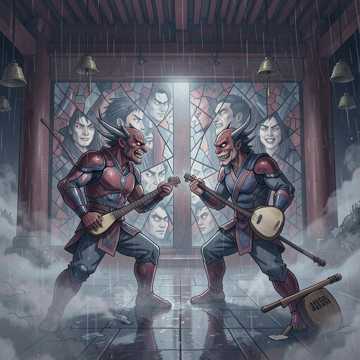
Broken Sword
A dramatic confrontation between two legendary oni unfolds through ritual-like vocalizations, expressive traditional Japanese instruments and dark rock. The song explores fractured identity, unwavering pride, loss, anger and reluctant respect in an intensely personal emotional duel.
04:49
4 days ago
Introduction to Shakuhachi: A Traditional Japanese Bamboo Flute
The Shakuhachi is a traditional Japanese bamboo flute that has been played for centuries. It is characterized by its unique, breathy sound and is traditionally made from the root end of a bamboo stalk. The name 'Shakuhachi' comes from its length, approximately 1.8 feet (54.5 cm), with 'shaku' meaning foot and 'hachi' meaning eight. The instrument has its origins in ancient China but was brought to Japan around the 7th century. Over time, the Shakuhachi evolved in Japan, becoming an essential instrument in the practice of Zen Buddhism. It was used by the Komusō monks of the Fuke sect as a tool for meditation and was associated with the concept of 'blowing Zen' or 'Suizen.' The Shakuhachi experienced a revival in the Edo period and became integrated into classical Japanese music, such as the Sankyoku ensemble.
Sub-tags and Classifications of Shakuhachi Music
Honkyoku
Honkyoku refers to the original pieces of music composed and played by the Komusō monks for meditation purposes. These compositions are typically slow and contemplative, emphasizing the spiritual and meditative aspects of Shakuhachi playing. Honkyoku is considered the most traditional form of Shakuhachi music.
Sankyoku
Sankyoku is a genre of traditional Japanese chamber music that typically involves a trio of instruments: the Koto, Shamisen, and Shakuhachi. In Sankyoku, the Shakuhachi often plays a melodic role, blending with the other instruments to create a harmonious and intricate sound.
Minyō
Minyō refers to Japanese folk music, in which the Shakuhachi is often used to accompany vocal performances. The instrument adds a distinctive, airy quality to the music, complementing the rustic and traditional feel of Minyō songs.
Modern Shakuhachi
Modern Shakuhachi encompasses contemporary compositions and performances that blend traditional techniques with modern musical styles. This includes collaborations with Western classical music, jazz, and experimental genres, expanding the versatility and global appeal of the Shakuhachi.
Famous Artists and Iconic Works in Shakuhachi Music
Watazumi Doso Roshi
Watazumi Doso Roshi was a highly influential Shakuhachi master known for his powerful and expressive playing. He emphasized the spiritual aspects of Shakuhachi music, viewing it as a path to enlightenment. His contributions to the Honkyoku repertoire and his teaching methods have left a lasting legacy in the world of Shakuhachi.
Shika no Tone
Shika no Tone, or 'The Distant Cry of the Deer,' is one of the most famous Honkyoku pieces. It is traditionally played as a duet and is characterized by its evocative and melancholic melodies, which are meant to mimic the calls of deer in the autumn. The piece exemplifies the meditative and expressive qualities of Shakuhachi music.
Kinko Kurosawa
Kinko Kurosawa was a prominent figure in the Edo period, credited with systematizing the Shakuhachi music tradition. He compiled and arranged many Honkyoku pieces, which are still studied and performed by Shakuhachi players today. His work laid the foundation for what is now known as the Kinko-ryū school of Shakuhachi.
Tsuru no Sugomori
Tsuru no Sugomori, or 'Nesting of Cranes,' is another iconic Honkyoku piece. This work depicts the life cycle of cranes through a series of intricate and delicate musical phrases. The piece showcases the Shakuhachi's ability to convey natural sounds and emotions, making it a masterpiece in the traditional repertoire.
Hozan Yamamoto
Hozan Yamamoto was a pioneering Shakuhachi artist who brought the instrument into the modern era. He was known for his versatility, performing not only traditional Japanese music but also jazz and contemporary compositions. His innovative approach helped popularize the Shakuhachi worldwide.
Haru no Umi
Haru no Umi, or 'The Sea in Spring,' is a famous modern piece composed by Michio Miyagi. The Shakuhachi and Koto are featured prominently, with the music evoking the gentle waves and peaceful atmosphere of the sea in springtime. This piece is a staple in the Sankyoku repertoire and demonstrates the Shakuhachi's ability to blend with other instruments in a modern context.
Application Scenarios for Shakuhachi Music
Shakuhachi music is often used in movie soundtracks to evoke a sense of tranquility, nostalgia, or mystery. Its distinctive sound can instantly transport listeners to a traditional Japanese setting, making it a popular choice for films depicting historical or cultural themes.
Movie Soundtracks
In advertising, the Shakuhachi is used to create a serene and elegant atmosphere, often in commercials that aim to convey a sense of tradition, craftsmanship, or luxury. The instrument's unique tonal qualities help to make advertisements memorable and impactful.
Advertising Music
The Shakuhachi is frequently featured in video game soundtracks, particularly in games set in Japan or those that incorporate elements of Japanese culture. Its sound adds authenticity and emotional depth to the gaming experience, enhancing the overall atmosphere.
Video Game Background Music