Free Swung Rhythm Music Generator Powered by AI
Turn text into high-quality Swung Rhythm music effortlessly – no login required!

music.toolTips

Κοίτα αγάπη μου
Μια τρυφερή έκκληση επανασύνδεσης ανάμεσα σε δύο ανθρώπους που, παρά τον πόνο και τις αποστάσεις, εξακολουθούν να αγαπιούνται. Με επίκεντρο τη μνήμη, την ανάγκη για αγκαλιά και την ελπίδα μιας δεύτερης ευκαιρίας, το τραγούδι μετατρέπει τον χωρισμό σε συναισθηματική αναμονή.
02:45
Invalid date

Pepa a Viki
Veselá a hravá píseň sleduje Pepu a Viki v každodenním chaosu obrovské rodiny. Sedmašedesát dětí přináší hluk, smích, drobné katastrofy i nekonečné povinnosti, ale jejich společné srdce drží celý domov pohromadě. Píseň oslavuje lásku, soudržnost, humor a radost z rodinného života.
02:09
Invalid date

Torsten Cart
A humorous blues-rock tale about Torsten's determined fight for the last free shopping cart. Driven by swagger, grit, and infectious energy, the song transforms an ordinary supermarket moment into an epic, triumphant showdown.
03:55
4 days ago

Iron Verdict
Iron Verdict is a dark, hard-hitting instrumental boom bap piece that channels cinematic combat tension through punchy swung drums, haunting choirs, gritty vinyl textures, and deep sub rumble. Its stripped verses build suspense before explosive drops and emphatic percussion deliver a sense of confrontation, impact, and finality.
02:09
5 days ago
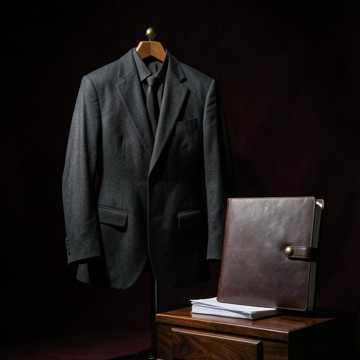
Procurorul de la DIICOT
Piesa îl portretizează pe vărul naratorului, procuror DIICOT, ca pe o figură puternică, disciplinată și respectată. Printr-un stil de manea modernă, cu refren memorabil și energie de petrecere, cântecul celebrează autoritatea, dreptatea, munca și mândria familiei.
03:45
5 days ago

صلاحِ کار
این قطعه با الهام از مضامین عرفانی و ادبیات کلاسیک فارسی، کشمکش میان ظاهرسازی و حقیقت عشق را روایت میکند. فضای موسیقایی آرام و مدرن، احساس فروتنی، دلدادگی و سلوک درونی را با بیانی عمیق و تأثیرگذار به تصویر میکشد.
03:52
6 days ago
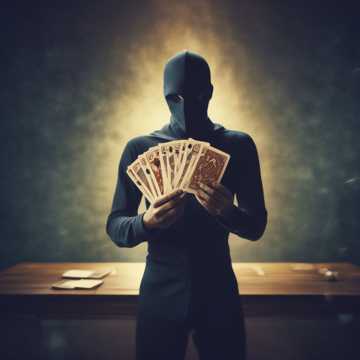
Behind
The song "Behind" explores themes of temptation and greed, depicting a character who offers riches for a price, exposing the insatiable nature of desire.
03:09
2024-10-31
Swung Rhythm is a rhythmic concept often used in jazz, blues, and other forms of popular music, where the notes are played unevenly, with a slight delay between the first and second halves of a pair of notes. This creates a 'groovy' or 'swaying' feeling, as opposed to straight rhythm where the notes are evenly spaced. The origins of swung rhythm can be traced back to early jazz musicians in the early 20th century, particularly in the work of artists like Louis Armstrong and Duke Ellington. As jazz evolved, swung rhythm became a key component of the genre and began to spread to other styles, influencing rock, R&B, and even contemporary pop music.
Sub-tags and Classifications of Swung Rhythm in Music
Jazz Swing
Jazz Swing is perhaps the most famous and widely recognized form of Swung Rhythm. It was heavily popularized during the swing era of the 1930s and 1940s, particularly in big band jazzSwung Rhythm Overview. The rhythm emphasizes a 'long-short' feel, where the first note in a pair is held slightly longer than the second, creating a bouncy and syncopated rhythm. The swing rhythm is essential to many classic jazz standards and is closely associated with the works of artists like Benny Goodman and Count Basie.
Blues Swing
Blues Swing applies the Swung Rhythm to the blues genre, incorporating the same uneven timing in the phrasing of the melody and accompaniment. This rhythm gives the blues a more relaxed, laid-back feel, while still maintaining its characteristic emotional intensity. Artists like Muddy Waters and B.B. King have made significant contributions to this sub-tag, blending Swung Rhythm with blues scales and improvisation.
Funk Swing
Funk Swing blends the tight, syncopated grooves of funk music with the uneven timing of Swung Rhythm. The result is a rhythm that is both groovy and dynamic, pushing the boundaries of danceable beats. This style is commonly seen in the works of artists like James Brown and Parliament-Funkadelic, where the rhythm section drives the music forward with a mix of funk and swing.
Famous Artists and Classic Works Featuring Swung Rhythm
Louis Armstrong
Louis Armstrong is widely regarded as one of the pioneers of Swung Rhythm, particularly through his work with the Hot Five and Hot Seven. His recordings, such as 'West End Blues' and 'Potato Head Blues,' showcase the early use of Swung Rhythm in jazz and set the standard for future generations of musicians.
Sing, Sing, Sing - Benny Goodman
'Sing, Sing, Sing' is a defining piece of the swing era, known for its energetic rhythm and infectious swung feel. The driving, syncopated beats and extended drum solos make it a prime example of how Swung Rhythm can elevate the intensity of a piece, keeping the audience moving throughout.
Duke Ellington
Duke Ellington's work exemplifies the sophisticated use of Swung Rhythm in jazz orchestration. His compositions, such as 'Take the 'A' Train' and 'Mood Indigo,' incorporate complex swing rhythms, adding a level of refinement and expressiveness to jazz that influenced countless artists.
Take the 'A' Train - Duke Ellington
'Take the 'A' Train' is one of Duke Ellington's most iconic compositions, and its use of Swung Rhythm perfectly complements its joyful, uptempo feel. The song’s structure and rhythm section work together to create a flowing, infectious groove that became the signature tune of Ellington's orchestra.
Benny Goodman
Benny Goodman, known as the 'King of Swing,' was a pivotal figure in popularizing Swung Rhythm in the mainstream. His 1938 Carnegie Hall concert is considered a landmark in jazz history, with compositions like 'Sing, Sing, Sing' showcasing the peak of the swing era's rhythms.
West End Blues - Louis Armstrong
A landmark recording in the history of jazz, 'West End Blues' features some of the earliest and most expressive uses of Swung Rhythm. Armstrong's trumpet playing, along with the rhythmic timing of the ensemble, helped define the sound of early jazz and influenced future generations of jazz musicians.
Application Scenarios of Swung Rhythm in Various Media
Swung Rhythm is commonly used in movie soundtracks, particularly in films that aim to evoke a classic or retro feel. For example, in movies set in the 1930s or 1940s, such as 'The Legend of Bagger Vance' or 'The Cotton Club,' Swung Rhythm is used to capture the essence of that era's jazz and swing culture.
Movie Soundtracks
Swung Rhythm is frequently used in advertisements, particularly for products aiming for a dynamic, energetic feel. Brands may use jazz or swing-inspired tunes to create a sense of nostalgia or to enhance the rhythm of their ad. A classic example could be the use of swing music in ads for luxury cars, perfumes, or high-end fashion brands.
Advertising Music
Swung Rhythm can also be found in video game background music, particularly in games with a retro or jazzy aesthetic. For example, titles like 'Cuphead' incorporate swing rhythms into their soundtrack, reflecting the 1930s cartoon style and adding a unique rhythmic quality to the game's atmosphere.
Video Game Background Music