Free Vihuela Music Generator Powered by AI
Turn text into high-quality Vihuela music effortlessly – no login required!

music.toolTips
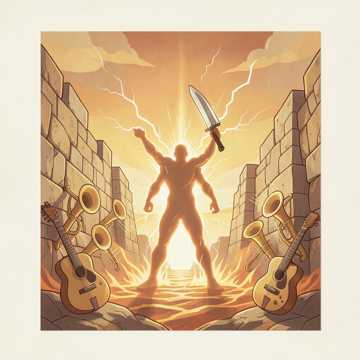
Fuego del Desierto
Canción de metal folclórico mexicano que retrata una lucha espiritual y cultural en el desierto. A través de imágenes de fuego, tormenta, tambores y renacimiento, transmite fuerza, resistencia, identidad ancestral y desafío frente a la opresión.
04:09
5 hours ago

Fiesta de Acero
Fiesta de Acero es una pieza instrumental que combina la tradición ranchera con la potencia del techno. Guitarras acústicas, vihuela, trompetas y violines se entrelazan con bajos profundos y pulsos electrónicos para crear una celebración energética, dinámica y altamente bailable.
03:38
3 days ago

Fiesta de Acero
Fiesta de Acero es una pieza instrumental de alta energía que combina la tradición ranchera con la fuerza del techno moderno. Metales vibrantes, cuerdas emotivas y ritmos electrónicos contundentes crean una atmósfera festiva, poderosa y diseñada para celebrar a gran escala.
03:42
3 days ago

Llorona Chiquita
A tender and humorous mariachi ranchera about an emotional young girl who cries over small mishaps yet brightens everyone's world. Through affectionate storytelling, the song celebrates childhood sensitivity, resilience, and the loving support that helps small sorrows fade away.
03:25
5 days ago

Por Qué Te Fuiste
A poignant mariachi ballad lamenting lost love, 'Por Qué Te Fuiste' resonates with melancholy yet hopeful nostalgia, enriched by its regional Mexicano style.
02:43
2024-10-05
Vihuela: Definition and Historical Overview
The Vihuela is a stringed musical instrument originating from Spain during the 15th and 16th centuries. Resembling a guitar in shape but tuned similarly to a lute, the Vihuela became a central instrument in Renaissance music. Traditionally constructed with six doubled strings, it was used extensively for both solo performances and accompaniment in courtly and religious settings. The instrument's development marked a significant evolution in plucked string music, bridging the technical and stylistic gap between the medieval lute and the modern classical guitar. Over time, the Vihuela influenced musical composition, ornamentation techniques, and the cultivation of polyphonic music.
Vihuela Sub-tags and Classifications
Renaissance Vihuela
The Renaissance Vihuela refers to the classical form of the instrument popular in 15th-16th century Spain. It is characterized by a flat back, six double courses of gut strings, and intricate rosette decorations. This classification focuses on historical accuracy and is often used in performances of period music and academic research.
Modern Vihuela
Mexican Vihuela
The Mexican Vihuela is a five-stringed instrument developed for Mariachi music. Unlike the Renaissance Vihuela, it has a convex back and is tuned differently, providing rhythmic strumming and harmonic support. It is central to Mexican folk music and is often paired with guitars and violins.
Famous Artists and Iconic Works Related to Vihuela
Luis de Milán
Luis de Milán was a Valencian composer and vihuelist of the early 16th century. His collection 'El Maestro' is considered the first printed book dedicated entirely to Vihuela music, featuring fantasias, dances, and vocal intabulations, setting a precedent for the instrument's repertoire.
El Maestro by Luis de Milán
This groundbreaking collection includes some of the earliest examples of Vihuela music written for solo performance. Milán's work demonstrates complex polyphony and intricate ornamentation, serving as a critical resource for understanding Renaissance performance practice.
Luis de Narváez
Luis de Narváez was a key figure in the Spanish Renaissance, known for his virtuosic Vihuela compositions. His work 'Los seys libros del Delphín' introduced sophisticated polyphonic techniques and ornamentation that influenced European lute and guitar music.
Los seys libros del Delphín by Luis de Narváez
A hallmark of Vihuela repertoire, this collection introduced variations, fantasias, and intabulations of popular songs. Narváez's compositions are notable for their rhythmic vitality, contrapuntal texture, and expressive use of the instrument, influencing later guitar techniques.
Enríquez de Valderrábano
Enríquez de Valderrábano compiled 'Libro de música de vihuela', a major collection of vihuela compositions including fantasias, villancicos, and transcriptions of vocal music. His work demonstrated advanced contrapuntal mastery and solidified the Vihuela’s role in Renaissance music.
Libro de música de vihuela by Enríquez de Valderrábano
Valderrábano's work reflects mastery of both solo and accompaniment forms. It incorporates complex polyphonic structures, dance pieces, and vocal transcriptions, highlighting the Vihuela’s versatility and its central role in Spanish Renaissance music.
Application Scenarios for Vihuela Music
Vihuela music is ideal for period dramas, historical documentaries, and films set in Renaissance or Spanish colonial contexts. Its rich, plucked tones evoke authenticity and enhance the atmosphere of historical storytelling.
Film Soundtracks
The unique sound of the Vihuela can be used in commercials to evoke sophistication, tradition, or cultural heritage. Its bright, resonant timbre provides a distinctive auditory signature for brands.
Advertising Music
Vihuela compositions are increasingly utilized in video games with historical or fantasy settings. The instrument’s versatile sound can underscore exploration, intrigue, or romantic scenes, adding depth to the immersive gaming experience.
Video Game Background Music
Vihuela music is used in music education to teach Renaissance and Baroque music, plucked string techniques, and historical performance practices. It provides students with insight into the evolution of string instruments and polyphonic composition.
Educational Settings