Free bassoon Music Generator Powered by AI
Turn text into high-quality bassoon music effortlessly – no login required!

music.toolTips
The Bear's awkward entrance
A warm, witty wilderness miniature portraying an ungainly bear attempting to join a procession. Low strings establish its deliberate clumsy steps, while pizzicato strings and curious woodwinds add hesitation, suspense, and woodland charm before resolving in a gently triumphant ending.
02:48
3 hours ago

F227
F227 unfolds as a deeply melancholic cinematic ballad without vocals. A memorable glass harmonica theme moves through descending phrases, answered by spinet and celesta, while nylon guitar, harp, sustained strings, bassoon, and barely audible handpan create a warm, spacious atmosphere of grief, reflection, and fragile hope.
03:10
10 hours ago
F223
F223 unfolds as a deeply melancholic instrumental journey in G minor. A tender nylon guitar introduces the central theme, while harpsichord, celesta, strings, harp, bassoon, and faint handpan resonance create an intimate cinematic landscape. Its descending melodies and gentle pauses suggest grief, memory, solitude, and quiet emotional release.
03:06
10 hours ago
F219
A 92 BPM instrumental ballad built around a mournful dulcimer theme. Fragile celestial textures, flowing arpeggios, soft harmonic space, and a sustained bassoon create a continuous descent through grief, reflection, and restrained emotional release.
03:14
10 hours ago

The Mime's Chase
A warm acoustic ensemble follows a mischievous mime through a sly tiptoe, bumbling chase, dramatic pauses, and exaggerated accents before landing on a cheeky, well-timed resolution. Its spacious arrangement leaves room for expressive stage action and physical comedy.
01:30
Invalid date
Midnight Freight
A playful yet unsettling instrumental march that imagines a toy train crossing midnight landscapes. Piccolo, bassoon, plucked strings, clattering mallets, low choir hums, and distant bells create a crisp cartoon-horror atmosphere.
03:02
21 hours ago

F213
A 92 BPM instrumental elegy shaped by a memorable harmonium theme. Piano, harp, celesta, glass harmonica, bassoon, and soft arpeggios create a continuous flow of grief, reflection, and delicate warmth.
03:20
23 hours ago
F212
F212 unfolds as a deeply melancholic instrumental ballad with a memorable descending melody, delicate piano shimmer, fragile glass harmonica replies, and warm orchestral resonance. Its slow lyrical flow creates an intimate atmosphere suited to reflection, remembrance, emotional storytelling, and cinematic scenes of solitude.
03:08
23 hours ago
dddddd
A heartbroken narrator confronts a lover who has chosen someone else, recognizing that his promises have been repeated before. The song unfolds as a theatrical orchestral farewell, moving from restrained melancholy to a powerful chorus before fading into quiet resignation.
03:30
Invalid date
ddddddd
A woman faces a partner's familiar departure with wounded clarity rather than surprise. As orchestral tension builds, she recognizes the repeated pattern of promises, betrayal, and emotional distance, ending in a fading acceptance that they both know the score.
03:30
Invalid date
ddddddd
A woman recognizes the repeated pattern in her partner's departure for someone else. Rather than pleading, she confronts the betrayal with weary clarity as swelling orchestration and recurring refrains transform resignation into dramatic, lingering heartbreak.
03:38
Invalid date
ddddddddd
A heartbroken narrator confronts a departing lover whose promises have been repeated before. Set against sweeping orchestral pop, the song moves from quiet disbelief to dramatic resignation, emphasizing betrayal, emotional distance, and the certainty that both characters already know how the story ends.
03:59
Invalid date
ddddddd
A woman confronts a departing lover who has repeated the same promises before. Beneath the hurt, she accepts the inevitable with restrained dignity as orchestral swells, bassoon melodies, and fading vocals underline their shared understanding.
05:22
Invalid date
ssssssssss
A woman confronts a departing lover who has chosen someone else. Beneath the poised, catchy pop-rock delivery lies hurt, resignation, and sharp recognition: this pattern has happened before, and both parties understand its painful outcome.
02:29
Invalid date
ddddddd
A woman confronts her departing partner, recognizing that he is repeating the same promises once made to someone else. Beneath its brisk British pop-rock energy, the song balances resignation, hurt, and a clear-eyed understanding of romantic betrayal.
02:49
Invalid date
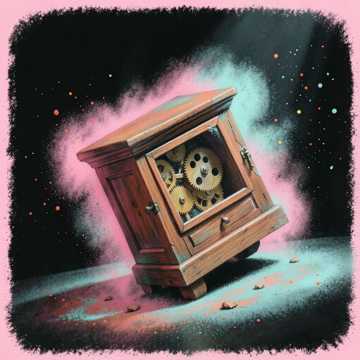
The Lopsided Waltz
A slow, theatrical instrumental waltz that balances eerie circus whimsy with escalating orchestral grandeur. Deliberate pauses, low strings, bassoon, celesta, and sharp dynamic shifts create a suspenseful journey toward a powerful trailer-style finale.
03:05
Invalid date
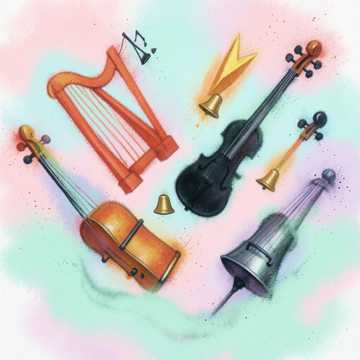
A Mischievous Finale
A brisk, playful orchestral cue that blends nimble pizzicato strings, sly bassoon, sparkling harp and celesta, crisp percussion, and bold brass. Its cinematic rises, sudden pauses, and mischievous contrasts create a theatrical finale suited to comedy, adventure, celebration, and triumphant reveals.
02:33
Invalid date
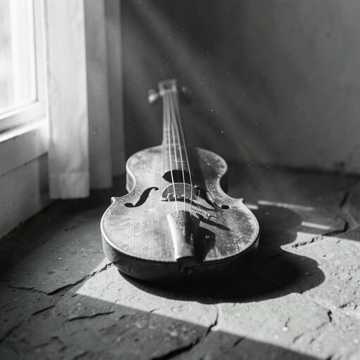
F204
A slow, lyrical instrumental meditation on profound sadness. The balalaika carries a memorable descending theme while piano, strings, glass harmonica, harp, bassoon, and distant handpan create an intimate, echoing emotional arc.
03:05
2 days ago
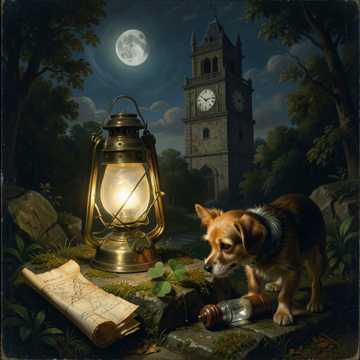
The Moonlight Mystery Crew
A cheerful young detective team follows strange clues beneath the moon, armed with maps, snacks, luck, and a flashlight. Its brisk, mischievous cartoon arrangement turns a tiny midnight investigation into an inviting, family-friendly adventure.
00:43
Invalid date
eeeeeeeeeeee
An experimental orchestral waltz that pairs bassoon and piano with lush accompaniment and wordless female vocal textures. Its repeated sighs and humming create a sensual, psychedelic atmosphere beneath a distinctly19th-century dance pulse.
03:14
Invalid date
Introduction to the Bassoon: Definition and History
The bassoon is a woodwind instrument in the double reed family that plays music written in the bass and tenor clefs, and occasionally the treble. Known for its distinctive, rich, and warm tone, the bassoon has been a staple of orchestras, chamber music, and solo performances for centuries. Its origins can be traced back to the early 16th century with the development of the dulcian, a predecessor to the modern bassoon. Over time, the instrument evolved significantly, especially during the Baroque period, reaching its current form by the late 19th century. Notable advancements were made by the German instrument maker Wilhelm Heckel, whose design set the standard for the modern bassoon.
Sub-tags and Classifications of the Bassoon
Contrabassoon
The contrabassoon, also known as the double bassoon, is an octave lower in pitch than the regular bassoon. It is the lowest-pitched woodwind instrument and is primarily used to add depth and weight to orchestral bass lines. The contrabassoon is larger and has a more cumbersome shape, often requiring a floor peg for support.
Baroque Bassoon
The Baroque bassoon, or dulcian, was used extensively in the 17th and early 18th centuries. It has a simpler design compared to the modern bassoon, with fewer keys and a different bore shape. This instrument is commonly used in historically informed performances of Baroque music.
Modern Bassoon
The modern bassoon, often referred to as the Heckel-system bassoon, is the standard version used in contemporary orchestras and ensembles. It features a complex key mechanism and a distinctive folded design, making it versatile for a wide range of musical styles and contexts.
Famous Artists and Works Featuring the Bassoon
Gustav Mahler
Gustav Mahler was a renowned composer who wrote extensively for the bassoon, utilizing its rich timbre to add emotional depth to his symphonies. His Symphony No. 1 and Symphony No. 5 feature notable bassoon passages.
The Rite of Spring by Igor Stravinsky
This groundbreaking ballet score opens with a famous bassoon solo in an unusually high register, showcasing the instrument's versatility and setting the tone for the entire piece. Stravinsky's innovative use of the bassoon in 'The Rite of Spring' marked a significant moment in music history.
Heinrich Schütz
A prominent Baroque composer, Heinrich Schütz used the dulcian, an early version of the bassoon, in his sacred and secular works. His use of the instrument helped establish its role in ensemble settings.
Bassoon Concerto in B-flat major, K. 191 by Wolfgang Amadeus Mozart
Mozart's Bassoon Concerto is one of the earliest and most popular solo works for the instrument. It highlights the bassoon's lyrical qualities and technical capabilities, and remains a staple in the bassoon repertoire.
Maurice Ravel
Maurice Ravel, a French composer known for his exquisite orchestration, wrote beautiful parts for the bassoon in his works. His ballet 'Daphnis et Chloé' and 'Boléro' feature memorable bassoon solos.
Application Scenarios for Bassoon Music
Bassoon music is often used in movie soundtracks to convey a range of emotions, from somber and reflective to whimsical and playful. Its unique timbre can add depth to a film's score, as seen in movies like 'Fantasia' and 'Harry Potter'.
Movie Soundtracks
In advertising, the bassoon's distinctive sound can help create memorable and engaging jingles. Its ability to evoke warmth and sophistication makes it suitable for brands seeking a unique auditory signature.
Advertising Music
Bassoon music is increasingly found in video game soundtracks, where it adds character and atmosphere. Games like 'The Legend of Zelda' series use the bassoon to enhance the immersive experience of their musical landscapes.
Video Game Music