Free italian language Music Generator Powered by AI
Turn text into high-quality italian language music effortlessly – no login required!

music.toolTips
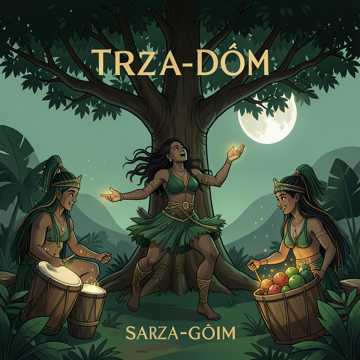
La Danza dei Danussi
Un’epica danza tribale narrata come una fiaba ironica, dove Tarza-Dòm, Simo-Gèin e i Danussi trasformano rituale, forza e comicità in un’esplosione musicale avventurosa e festosa.
07:21
23 hours ago
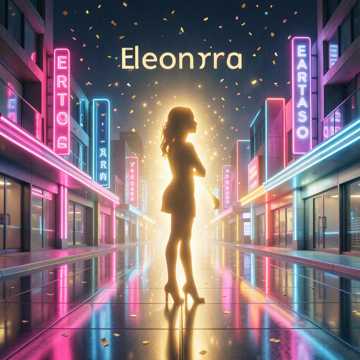
Eleonora Splendida
Una vivace canzone pop italiana dedicata al compleanno di Eleonora. Attraverso immagini luminose, affetto sincero e un ritornello coinvolgente, il brano celebra la sua bellezza interiore, la sua energia positiva e l'augurio di un futuro felice e ricco di possibilità.
03:31
6 days ago
Pontos
The song 'Pontos' offers a raw, conversational portrayal of struggle, defiance, and personal relationships, all underpinned by a vibrant 70s disco beat.
01:33
2024-11-19
Immunità
A dynamic 70s rock song exploring the concepts of innate and acquired immunity through engaging lyrics and vibrant instrumentation.
01:24
2024-10-26
Emigrati
Emigrati blends soccer passion with innovation in a groovy melody, celebrating culture and sports through AI music.
01:45
2024-10-11
Sott’acqua
A heartfelt indie slow song with romantic lyrics expressing admiration and deep connection, sung by a male voice.
01:56
2024-10-11
Jacopo Fa La Cacca per Terra
Jacopo Fa La Cacca per Terra is a playful pop song celebrating creativity and spontaneity, where Jacopo's unconventional artistry transforms ordinary moments into extraordinary expressions.
02:00
2024-10-11

Q
Q is a dreamlike, ethereal song with hypnotic vocals and electronic percussion. It explores surreal narratives and minimalistic soundscapes.
02:44
2024-10-11
Il tornasole
Il tornasole is an acoustic pop rock song that celebrates Sebastiano's passion for food, blending heartfelt lyrics with a melodic journey.
02:16
2024-10-10
io lo dico che lo sei
A melancholic indie Italian song, 'io lo dico che lo sei' expresses longing and admiration for a beloved, amidst poetic verses and a soul-stirring melody.
02:08
2024-10-10
Fantacalcio Fever
Fantacalcio Fever is a vibrant pop song celebrating the excitement and camaraderie of fantasy football, capturing the thrill of competitive auctions and the rollercoaster of victories and setbacks.
03:19
2024-10-10
Ginevra dagli occhi d'azzurro
A rhythmic and captivating Italian rap, 'Ginevra dagli occhi d'azzurro' paints a vivid portrait of Ginevra's life in the city through deep blue eyes and poetic storytelling.
02:34
2024-10-09
Ta-Dà di Lecco
Ta-Dà di Lecco is an energetic pop song from Suno AI, celebrating unity, passion, and artistic dreams in the vibrant city of Lecco.
02:37
2024-10-09
Fantacalcio Frenzy
Fantacalcio Frenzy is a comedic trap bass-heavy song that humorously depicts the trials and tribulations of fantasy football, blending themes of luck, incompetence, and unexpected victories.
02:56
2024-10-09

Fantastica Notte di Halloween
A playful pop song celebrating Halloween with whimsical lyrics and magical melodies.
02:36
2024-10-09
I tempi andati
A folk song reflecting on time's passage, personal change, and introspection, 'I tempi andati' delves into themes of nostalgia and renewal.
02:18
2024-10-09
Dissing
A high-energy rap track 'Dissing' generated by Suno AI, featuring rapid-fire Italian lyrics and dynamic pop and hip hop beats.
03:27
2024-10-08

AAA
Explore the spiritual journey of Love, Acceptance, and Ascension through intense violin and ambient electric guitar melodies.
03:23
2024-10-08
Pizza Margaritta
A tribute to the beloved Pizza Margherita, celebrating its essence and cultural significance with passionate operatic flair.
02:54
2024-10-08
La Battaglia Finale
La Battaglia Finale is an anime synth-pop song celebrating the competitive spirit and unity in sports, capturing the essence of determination and triumph.
03:10
2024-10-07
Introduction to Italian Language: Origins and Development
The Italian language, known for its melodic and expressive qualities, is a Romance language that evolved from the Latin spoken by the Romans. Its origins can be traced back to the 9th century, with the first written records appearing in the form of legal and religious texts. Over time, the Italian language developed through various dialects, with the Tuscan dialect becoming the basis for the standardized Italian we know today. The language has been significantly influenced by the works of Dante Alighieri, Petrarch, and Boccaccio, who are credited with solidifying its literary foundation. Today, Italian is spoken by over 70 million people worldwide and is celebrated for its rich literary tradition and its influence on art, music, and culture.
Sub-tags and Classifications within the Italian Language
Tuscan Dialect
The Tuscan dialect, particularly the Florentine variety, serves as the foundation for standard Italian. It gained prominence in the 14th century due to its use by Dante, Petrarch, and Boccaccio in their literary works. The dialect is characterized by its clear pronunciation and its influence on the phonology, vocabulary, and syntax of modern Italian.
Neapolitan Language
The Neapolitan language, spoken in the region of Naples and its surroundings, is a Romance language that diverged from Latin during the early Middle Ages. It has its own distinct grammar, vocabulary, and phonetics, and is recognized by UNESCO as a language of cultural heritage. Neapolitan has influenced various aspects of Italian culture, particularly in music and theatre.
Sicilian Language
The Sicilian language is another Romance language spoken on the island of Sicily and parts of southern Italy. It has a rich history, influenced by the various cultures that have dominated the region, including Greek, Arabic, and Norman. Sicilian was the first Italian vernacular to be used for poetic expression during the Sicilian School of poetry in the 13th century.
Venetian Language
The Venetian language, spoken in the Veneto region, is known for its distinct phonetic characteristics and vocabulary. Although it shares many features with Italian, Venetian is considered a separate language with its own rich literary and cultural history. It was widely used during the time of the Republic of Venice and has influenced both Italian and global culture, particularly in the realm of opera.
Famous Artists and Works Related to the Italian Language
Dante Alighieri
Dante Alighieri, known as the 'Father of the Italian language,' is most famous for his epic poem 'The Divine Comedy.' This work, written in the Tuscan dialect, not only solidified the dialect as the standard for the Italian language but also had a profound impact on Western literature and philosophy. Dante's work is celebrated for its linguistic innovation, depth of meaning, and exploration of the human condition.
The Divine Comedy
'The Divine Comedy' by Dante Alighieri is an epic poem that is considered one of the greatest works of world literature. Written in the early 14th century, it is a comprehensive allegory of the soul's journey towards God, divided into three parts: Inferno, Purgatorio, and Paradiso. The work is celebrated for its vivid imagery, intricate structure, and the profound use of the Italian language, which established the Tuscan dialect as the standard for literary Italian.
Giuseppe Verdi
Giuseppe Verdi, one of Italy's greatest composers, contributed significantly to the Italian language through his operas. Verdi's works, such as 'La Traviata,' 'Aida,' and 'Rigoletto,' are known for their powerful librettos and beautiful arias, which have become central to the Italian musical tradition. Verdi's operas are celebrated for their emotional depth and their ability to convey complex human emotions through the Italian language.
La Traviata
'La Traviata' is one of Giuseppe Verdi's most famous operas, first performed in 1853. The opera tells the tragic love story of Violetta and Alfredo, set against the backdrop of 19th-century Paris. The libretto, written in Italian, is known for its expressive language and the way it complements Verdi's emotive music. 'La Traviata' is a masterpiece of the Italian operatic tradition, combining lyrical beauty with dramatic intensity.
Leonardo da Vinci
Leonardo da Vinci, while primarily known for his contributions to art and science, also made significant contributions to the Italian language through his notebooks and writings. His works, written in a mirror-script style, contain a wealth of knowledge on various subjects, including anatomy, engineering, and philosophy. Leonardo's use of Italian in his writings helped to elevate the language as a medium for scientific and intellectual discourse.
Il Canzoniere
'Il Canzoniere' is a collection of poems by Petrarch, written in the 14th century, that played a crucial role in the development of the Italian sonnet form. The work explores themes of love, beauty, and the passage of time, expressed in the Italian language with a lyrical and refined style. Petrarch's poetry not only influenced Italian literature but also had a lasting impact on European poetry.
Application Scenarios for the Italian Language
Italian language music is often used in movie soundtracks to evoke a sense of romance, drama, or historical authenticity. For example, Ennio Morricone's scores, often featuring Italian lyrics, have become iconic in films like 'The Good, the Bad and the Ugly' and 'Cinema Paradiso.' The use of Italian enhances the emotional depth and cultural setting of these films.
Movie Soundtracks
The melodic and romantic qualities of the Italian language make it a popular choice for advertising music, especially in campaigns promoting luxury goods, fashion, or culinary products. Brands often use Italian songs or operatic pieces to create a sophisticated and elegant atmosphere, appealing to the aspirational desires of consumers.
Advertising Music
In video games, Italian language music is used to enhance the narrative and create immersive environments. For instance, games set in historical or fantasy versions of Italy, such as 'Assassin's Creed II,' feature soundtracks with Italian lyrics or operatic elements to reinforce the cultural and historical setting, adding depth to the player's experience.
Game Background Music