Free Algerian Rai Music Generator Powered by AI
Turn text into high-quality Algerian Rai music effortlessly – no login required!

music.toolTips
Teste
عمل موسيقي بعنوان Teste يستند إلى روح الراي الجزائري وإيقاع متوسط السرعة. وبغياب الكلمات واللحن والتوزيع الآلي، تبدو القطعة كمساحة أولية قابلة للتطوير نحو أجواء عاطفية أو تأملية أو راقصة.
03:04
Invalid date
Teste
Sans paroles disponibles, Teste se définit par son orientation raï algérien et son tempo modéré de 96 BPM. La mélodie suggère une atmosphère vivante, chaleureuse et dansante, adaptée aux soirées, aux trajets et aux moments de partage.
03:02
Invalid date

ومشيت الصحرا
أغنية صحراوية مرحة تصف رحلة شاب في الصحراء وما يواجهه من تعب وليل ومطاردة وشوق. تتداخل مناداة الأم مع الغزل وروح الدعابة، بينما يدعم الإيقاع الراقص والردود الجماعية أجواء احتفالية مستوحاة من الراي والموسيقى المغاربية الشعبية.
04:27
1 days ago
ومشيت طريق الصحرا
تروي الأغنية رحلة عاشق تائه في طريق الصحراء، يستنجد بأمه ويلاحق طيف محبوبته وسط عوائق الناس والليل والبرد. يحمل اللحن الصحراوي السريع شجنا بدويا راقصا يمزج الحيرة العاطفية بالأمل في اللقاء والخطبة.
03:11
1 days ago
KKKK
Cette chanson raconte un vol chaotique dirigé par un pilote maladroit et théâtral. Dans une ambiance raï et chaâbi dansante, les turbulences, les dialogues comiques et la disparition du couscous deviennent une grande fête collective, portée par les refrains BIJOUR BIJOUR, YALAH YALAH et ÇA VA COUSCOUSSER.
04:52
1 days ago

ما طرحنا البال
أغنية تأملية تنتقد الكذب والجحود والانجراف وراء الخطأ، وتصور أثر الإهمال والخيانة في المجتمع. وبين الحزن والتحذير، تفتح بابا للأمل عبر الصبر، حفظ الكرامة، التمسك بالأصل، والعودة إلى الله والمحبة.
04:25
1 days ago
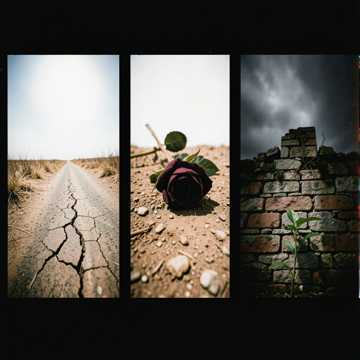
ما طرحنا البال
أغنية تأملية تنتقد الغفلة والكذب والظلم وتبعات التسرع، مستحضرة صور الجفاف والخراب الأخلاقي. عبر لازمة حادة، تدعو إلى الصبر وحفظ الكرامة والعودة إلى الدين، أملا في عودة الود والخير بين الناس.
05:35
1 days ago
خاين
أغنية عتاب مؤلمة تروي صدمة امرأة اكتشفت أن من أحبته كان كذاباً وخائناً. تتكرر صيحات الألم لتبرز عمى الحب، خيبة العشرة، والتحول من التعلق إلى مواجهة الحقيقة.
03:03
1 days ago

Khalihom
أغنية عن صدمة الخيانة بعد حب صادق أعمى البطلة عن حقيقة حبيب كذاب. تمزج العتاب والألم مع قوة الرفض، عبر لازمة متكررة ونبض راي مغاربي متأثر بالأفروبيت واللاتيني.
02:01
1 days ago
الخاين
كتحكي الأغنية على جرح حب تبيّن أنه مبني على الكذب والخداع. البطلة كتواجه الخاين بمرارة، بعدما عماها الحب وخلاها تثق فيه، بينما كيزيد المزج بين الراي والريغي واللمسات اللاتينية الإحساس بالحزن والخذلان.
03:01
1 days ago
كانْ عندي صاحبْ
أغنية راي جزائرية تروي خيبة راويها في صديق اتصف بالطمع والكذب والغرور. عبر عتاب مباشر وصور شعبية، تدعو الكلمات إلى الحذر من الصحبة المؤذية وعدم الانخداع بالمظاهر والوعود.
02:45
Invalid date

خاين
أغنية راي مغاربية عن امرأة تكتشف أن حبيبها الذي منحته حبها وثقتها كان كذابا وخائنا. تكرر اللازمة وجع الصدمة، بينما تضيف العبارات الفرنسية لمسة حميمة وحديثة إلى الاعتراف العاطفي.
02:08
2 days ago

الناس الغدارة
تعبّر الأغنية عن صدمة حبيبة اكتشفت كذب وخيانة من وثقت به. تمتزج الدارجة المغاربية بالفرنسية لتصوير الألم والخذلان، بينما يضيف الأداء النسائي المؤثر والمؤثرات الصوتية لمسة درامية على إيقاع راي وأفروبيتس هادئ.
02:03
2 days ago
الناس الغدارة
أغنية عن امرأة تكتشف أن الحبيب الذي منحته صفاء قلبها كان كذابا وخائنا. تكرر مواجهة الألم بين الدارجة والفرنسية، فيما يعكس الأداء النسائي المؤثر صدمة الخيانة ومرارة الثقة المكسورة.
01:31
2 days ago
الناس الغدارة
تروي الأغنية صدمة امرأة اكتشفت أن حبيبها كذاب وخائن بعدما منحته حبها وثقتها. تتصاعد كلمات العتاب بين الدارجة والفرنسية، بينما يعمق الأداء النسائي المؤثر إحساس الخيبة والجرح العاطفي.
01:14
2 days ago
نشاط محمد وإدريس
أغنية راي احتفالية مهداة لمحمد وإدريس، تحتفي بجمال الصحبة واللمة والضحك المشترك. تمزج كلماتها الدارجة البسيطة مع طاقة موسيقية حية تجعلها مناسبة للأعراس والجلسات والسهرات بين الأصدقاء.
01:17
Invalid date
الناس الغدارة
تروي الأغنية ألم شخص أنهكه غدر الأهل والناس، فيبكي دون اعتذار ويشبه نفسه بطير مذبوح. تتصاعد مشاعر القهر والتعب في لازمة متكررة، بينما يمنح الأداء النسائي والمؤثرات الصوتية الحكاية طابعا دراميا حميما.
03:00
2 days ago
الناس الغدارة
تروي الأغنية وجع امرأة خذلها أشخاص أحسنت إليهم، فصار عمرها وحياتها خسارة بينهم. تتأرجح بين البكاء والقهر والدعاء، بينما يكرر لازمة مؤلمة عن غدر الناس وانتظار تبدل الحال.
02:38
2 days ago
الناس الغدارة
أغنية راي درامية عن شخص منح الخير للناس ثم تلقى الجرح والقهر بدل الوفاء. تردد الكلمات ألم الخيانة وطول الصبر، بينما يمنح الأداء النسائي والمؤثرات الصوتية الحزينة مساحة صادقة للشكوى والدعاء بتبدل الحال.
02:32
2 days ago
T5
أغنية خفيفة بروح راي جزائرية كوميدية، تصور شابا يدور بلا هدف وسط صحابو المخلوعين، ويضحك على روحو وتقلّباتو. التكرار في اللازمة يعطيها طاقة راقصة وسهلة الحفظ، مناسبة للضحك واللمة.
00:57
2 days ago
Introduction to Algerian Rai: Definition and History
Algerian Rai is a genre of popular music that originated in Algeria, specifically from the Oran region, during the early 20th century. The term 'Rai' translates to 'opinion' or 'advice,' reflecting the genre's roots in the poetic and lyrical expression of the lived experiences of the Algerian people, particularly the youth and marginalized communities. Traditionally, Rai was performed by 'cheikhs' and 'cheikhas' (master singers) who would address social issues, love, and rebellion in their songs. Rai music blends traditional Algerian folk music, Bedouin rhythms, and Western musical influences, including jazz, funk, and electronic beats. The genre gained international popularity in the 1980s and 1990s, symbolizing a voice of resistance and cultural expression in the face of political and social challenges in Algeria.
Sub-tags and Classifications within Algerian Rai
Traditional Rai
Traditional Rai, often referred to as 'Rai El Wahrani,' is the earliest form of Rai music. It is characterized by its use of traditional instruments such as the gasba (flute) and guellal (drum), with lyrics that address social issues, love, and daily life in Algeria. This form of Rai is closely tied to the cultural and musical traditions of the Oran region.
Pop Rai
Pop Rai, also known as 'Rai Jdid,' emerged in the late 20th century as a modern adaptation of traditional Rai music. It incorporates Western musical elements such as synthesizers, electric guitars, and drum machines, creating a more upbeat and danceable sound. Pop Rai became widely popular both in Algeria and internationally, particularly during the 1980s and 1990s, with the rise of stars like Cheb Khaled and Cheb Mami.
Electronic Rai
Electronic Rai is a contemporary sub-genre that fuses traditional Rai with electronic music. This style emerged in the late 1990s and early 2000s, driven by advancements in music production technology. Electronic Rai often features heavy use of synthesizers, digital beats, and production techniques borrowed from techno, house, and other electronic genres. It represents the evolving nature of Rai music as it adapts to global music trends.
Political Rai
Political Rai, sometimes called 'Rai engagée,' is a sub-genre that focuses on political and social commentary. Artists in this category use their music to address issues such as government corruption, freedom of expression, and social justice. This form of Rai gained prominence during periods of political turmoil in Algeria, serving as a powerful tool for protest and resistance.
Famous Artists and Classic Works of Algerian Rai
Cheb Khaled
Known as the 'King of Rai,' Cheb Khaled is one of the most internationally recognized Rai artists. His 1993 hit 'Didi' brought Rai music to a global audience, blending traditional Algerian music with modern pop influences. Khaled's music often features themes of love, freedom, and cultural pride, making him a symbol of Rai's global appeal.
Didi - Cheb Khaled
Released in 1993, 'Didi' is one of the most iconic songs in the history of Rai music. The track's upbeat tempo, catchy melody, and blend of traditional Rai elements with modern pop production made it a worldwide hit. 'Didi' played a significant role in popularizing Rai music outside of Algeria and remains a defining work in Cheb Khaled's career.
Cheb Mami
Cheb Mami, often dubbed the 'Prince of Rai,' is another key figure in the Rai music scene. His 1999 duet with Sting on the song 'Desert Rose' was a major international success, further elevating the profile of Rai music. Mami's smooth voice and ability to blend Rai with other musical genres have made him a standout artist in the genre.
Desert Rose - Cheb Mami and Sting
The 1999 collaboration 'Desert Rose' between Cheb Mami and British musician Sting is a landmark work in the fusion of Rai and Western pop music. The song's blend of Arabic lyrics, Rai-style vocals, and a haunting melody helped it become a major international success. 'Desert Rose' is often credited with introducing Rai music to a broader global audience.
Rachid Taha
Rachid Taha was a pioneering figure in the fusion of Rai with rock, punk, and electronic music. His work in the band Carte de Séjour and his subsequent solo career brought a rebellious edge to Rai, addressing issues of identity, immigration, and cultural conflict. Taha's music is celebrated for its bold experimentation and its role in broadening the scope of Rai music.
Ya Rayah - Rachid Taha
Originally a traditional Algerian song, 'Ya Rayah' was revitalized by Rachid Taha in 1997. Taha's version of the song combines Rai with rock and electronic music, creating a powerful anthem about exile and longing. 'Ya Rayah' became a massive hit in Europe and is considered one of Taha's most influential works.
Cheikha Remitti
Often referred to as the 'Mother of Rai,' Cheikha Remitti was a legendary figure in the early development of Rai music. Her powerful voice and candid lyrics about love, hardship, and social issues helped lay the foundation for the genre. Despite her traditional roots, Remitti's music continues to inspire generations of Rai artists.
N'rouhou N'zourou - Cheikha Remitti
A classic in the Rai genre, 'N'rouhou N'zourou' by Cheikha Remitti exemplifies the raw emotion and traditional roots of early Rai music. The song's heartfelt lyrics and Remitti's powerful vocal performance highlight the struggles and joys of everyday life, making it a timeless piece in the history of Rai.
Application Scenarios for Algerian Rai Music
Algerian Rai music is often used in movie soundtracks to evoke a sense of cultural authenticity and emotional depth. Films that explore themes of identity, migration, and social change frequently incorporate Rai music to enhance their narratives. For example, Rai tracks have been featured in movies like 'The Battle of Algiers' and 'Indigènes,' where the music underscores the historical and cultural context of the story.
Movie Soundtracks
The vibrant and catchy rhythms of Algerian Rai make it a popular choice for advertising campaigns, especially those targeting North African or Middle Eastern audiences. Brands use Rai music to connect with culturally diverse consumers, creating advertisements that are both engaging and culturally resonant.
Advertising Music
In the world of video games, Algerian Rai music is sometimes used as background music to create an immersive experience in games set in North Africa or the Middle East. The music's rhythmic beats and melodic structures help establish the setting and mood, enhancing the player's connection to the game's environment.
Game Background Music
Algerian Rai music is a staple at cultural festivals and events celebrating North African heritage. Whether performed live or played through sound systems, Rai music brings energy and a sense of community to these gatherings. Events like the 'Festival International de Rai d'Oran' showcase the genre's rich history and its continued relevance in contemporary culture.
Cultural Festivals and Events