Free Assamese Music Generator Powered by AI
Turn text into high-quality Assamese music effortlessly – no login required!

music.toolTips

মাটিৰে ডাকি
এই অসমীয়া ভজনখন ঈশ্বৰৰ ওচৰত ক্ষমা, অন্তৰৰ শুদ্ধি আৰু শান্তিৰ বাবে কৰা আন্তৰিক প্ৰাৰ্থনা। ঈৰ্ষা, অভিমান আৰু অন্ধকাৰ ত্যাগ কৰি কৃপাৰ জৰিয়তে নতুন জীৱনৰ পথ বিচৰাৰ গভীৰ আধ্যাত্মিক যাত্ৰা ইয়াত প্ৰকাশ পাইছে।
04:28
2 days ago

ৰাধা কৃষ্ণৰ চিৰন্তন প্ৰেম
এই গীতটোৱে ৰাধা-কৃষ্ণৰ চিৰন্তন প্ৰেম, নিষ্কলুষ ভক্তি আৰু ঈশ্বৰৰ কৃপাৰ মাহাত্ম্যক শান্ত, সুমধুৰ সুৰত প্ৰকাশ কৰিছে। অসমীয়া বৰগীতৰ আভাৰে ভৰা এই ভজন হৃদয়ত আধ্যাত্মিক শান্তি আৰু প্ৰেমৰ অনুভৱ জগায়।
02:29
Invalid date

ৰাধে কৃষ্ণ প্ৰেমৰ নাম
এই অসমীয়া ভক্তিমূলক গীতত ৰাধা-কৃষ্ণৰ দিৱ্য প্ৰেম, নামস্মৰণ, ভক্তি আৰু কৃপাৰ মাহাত্ম্য শান্ত আৰু আধ্যাত্মিক সুৰত প্ৰকাশ পাইছে। বৰগীতৰ আভাৰে গীতটোৱে অন্তৰত শান্তি, বিশ্বাস আৰু ঈশ্বৰপ্ৰেমৰ অনুভূতি জগাই তোলে।
02:40
Invalid date

জীয়া জীয়া ৰিঙিয়াই
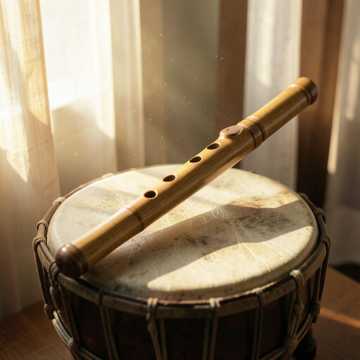
এইটো কেৱল বাদ্যযন্ত্ৰভিত্তিক সংগীত, য'ত অসমীয়া লোক-পপৰ উষ্ণতা, কোমল ছন্দ, বাঁহীৰ সুৰ, হালধীয়া পাৰকাছন আৰু আন্তৰিক সুৰসজ্জাই এক শান্ত, স্নিগ্ধ আৰু আবেগময় সংগীতময় পৰিৱেশ সৃষ্টি কৰে।
03:01
Invalid date

পাতেৰ পতন
এই গীতটোৱে অহংকাৰ, হিংসা আৰু লোভে কেনেকৈ মানুহক নিজৰেই পতনৰ দিশে ঠেলি নিয়ে তাক শক্তিশালী ৰূপক, তীব্ৰ লোক-ৰক শক্তি আৰু কটাক্ষমূলক বাণীৰে প্ৰকাশ কৰিছে। নম্ৰতা আৰু মানৱীয় মূল্যবোধকেই শেষত সত্য পথ হিচাপে দাঙি ধৰে।
04:31
3 days ago

জলাবলির খেলা
‘জলাবলিৰ খেলা’ ঈৰ্ষা, কটু কথা আৰু আনক জ্বলাই দিয়া মানুহৰ মানসিকতাৰ বিৰুদ্ধে এক দৃঢ় প্ৰতিবাদ। গানটোৱে নীৰৱ শক্তি, সত্য, প্ৰেম আৰু একেলগে থকাৰ সাহসেৰে অন্ধকাৰ অতিক্ৰম কৰাৰ আশাবাদী বাৰ্তা আগবঢ়ায়।
04:58
3 days ago

নিজৰ মানুহখিনি
এই গীতটোৱে মানসিক শান্তি ৰক্ষা কৰা, কপট মানুহৰ প্ৰভাৱৰ পৰা আঁতৰি থকা আৰু আপোন মানুহৰ ওপৰত বিশ্বাস ৰাখিবলৈ উৎসাহ দিয়ে। লোক-পপ সুৰ, আন্তৰিক কণ্ঠ আৰু আশাবাদী কথাই ইয়াক গভীৰভাৱে হৃদয়স্পৰ্শী কৰি তোলে।
04:15
3 days ago

কাম নকৰা মুখ
এই গীতে কাম নকৰি আনৰ দোষ বিচাৰি ফুৰা মানুহৰ মানসিকতাক সমালোচনা কৰিছে। লোক-পপ সুৰ, শক্তিশালী কোৰাছ আৰু সহজ উপমাৰ জৰিয়তে পৰিশ্ৰম, আত্মদায়িত্ব আৰু নিজৰ পথ গঢ়াৰ প্ৰেৰণাদায়ক বাৰ্তা দাঙি ধৰে।
03:43
3 days ago

কাম নকৰা মুখ
এই গীতে কাম নকৰি আনৰ সমালোচনা কৰি ফুৰা মানুহৰ মানসিকতাক তীক্ষ্ণ ব্যংগৰে উপস্থাপন কৰিছে। লোক-পপ সুৰ, শক্তিশালী কোৰাছ আৰু বাস্তৱধৰ্মী কথাৰে পৰিশ্ৰম, সততা আৰু আত্মসমালোচনাৰ মূল্যক উজ্জ্বলভাৱে দাঙি ধৰে।
04:04
3 days ago

ডিখৌৰ পানী
এই গীতটোৱে ডিখৌ নদীৰ বানত বিধ্বস্ত এখন গাঁওৰ যন্ত্ৰণা, পৰিয়ালৰ ক্ষতি, হেৰুওৱা সপোন আৰু সকলো হেৰুৱাইও জন্মভূমিৰ প্ৰতি অটল মমতা গভীৰ আবেগেৰে প্ৰকাশ কৰিছে।
04:40
Invalid date

বৰষুণে বুকুতে
বৰষুণৰ সেমেকা আবহৰ মাজত দুজন প্ৰেমিক-প্ৰেমিকাৰ কোমল অনুভৱ, হাঁহি, স্মৃতি আৰু একেলগে কটোৱা মুহূৰ্তৰ কাহিনী এই গানখনত স্নিগ্ধ সুৰ আৰু উষ্ণ আবেগেৰে প্ৰকাশ পাইছে।
03:07
Invalid date

ডিখৌৰ পানী
এই গীতে ডিখৌ নদীৰ বানত বিধ্বস্ত গাঁও, পৰিয়াল আৰু সপোনৰ কৰুণ কাহিনী বৰ্ণনা কৰে। গভীৰ শোকৰ মাজতো শেষত জীৱন পুনৰ ঘূৰি অহাৰ ক্ষীণ আশা আৰু প্ৰাৰ্থনাই গীতটোক মানবীয় শক্তিৰ প্ৰতীক কৰি তোলে।
04:37
Invalid date

মিঠা সুৰ চুই
এই গীতটোৱে আকস্মিকভাৱে জীৱনত অহা প্ৰেমৰ কোমল স্পৰ্শ, অন্তৰৰ জাগৰণ আৰু দুজন মানুহৰ মাজত গঢ়ি উঠা গভীৰ মানসিক সংযোগক মিঠা, উষ্ণ আৰু আশাবাদী অনুভূতিৰে প্ৰকাশ কৰিছে।
03:40
Invalid date

ধিকৌৰ পানী
এই গীতত ধিকৌ নদীৰ বানত সপোন, ঘৰ আৰু শৈশৱৰ স্মৃতি হেৰুৱা এজন সাধাৰণ মানুহৰ গভীৰ বেদনা, অসহায়তা আৰু এদিন পুনৰ আশা বিচাৰি উভতি অহাৰ ইচ্ছা সংবেদনশীলভাৱে প্ৰকাশ পাইছে।
03:41
Invalid date
He is
এই গীতত এজন ভক্তইAI-Generated Song Analysis দুখ, অনুশোচনা, ক্ষমা আৰু ঈশ্বৰৰ কৃপাত আশ্ৰয় বিচৰা আন্তৰিক প্ৰাৰ্থনা প্ৰকাশ কৰিছে। বাঁহীৰ আত্মস্পৰ্শী সুৰ আৰু তবলাৰ উজ্জীৱিত তালৰ সৈতে ই ভক্তি, আশা আৰু আত্মসমৰ্পণৰ গভীৰ অনুভূতি জগাই তোলে।
03:15
Invalid date

পাহাৰৰ কান্দোন
এই গীতটোৱে পাহাৰ, নদী আৰু অৰণ্য ধ্বংসৰ ফলত প্ৰকৃতিৰ কান্দোন আৰু মানুহৰ দায়িত্বৰ কথা গভীৰ আবেগেৰে প্ৰকাশ কৰে। ধীৰ, অন্তৰস্পৰ্শী সুৰে পৰিৱেশ সংৰক্ষণৰ আহ্বান অধিক শক্তিশালী কৰি তোলে।
05:13
4 days ago

নদীয়েদি গান
এই গীতত সংগীতক জীৱনৰ পুনৰ্জীৱন, আশা আৰু অন্তৰৰ বিশ্বাসৰ উৎস হিচাপে উপস্থাপন কৰা হৈছে। নদীৰ দৰে বৈ যোৱা সুৰে বেদনা ধুই পেলাই নতুন সাহস, সেউজীয়া বিশ্বাস আৰু জীয়াই থকাৰ শক্তি জগাই তোলে।
05:49
4 days ago

Jibonor Gaan
‘Jibonor Gaan’ হৈছে নতুন দিন, আশা, বন্ধুত্ব আৰু জীৱনৰ সৰু সৰু সুখক উদযাপন কৰা এখন ইতিবাচক Assamese rock গীত। উচ্ছ্বল সুৰ, শক্তিশালী কোৰাছ আৰু অনুপ্ৰেৰণাদায়ক কথাৰে ই আত্মবিশ্বাস আৰু একেলগে আগবাঢ়ি যোৱাৰ বাৰ্তা দিয়ে।
03:52
Invalid date

Tumar Logot
Modern Assamese rock love song celebrating devotion, youthful romance, and emotional connection. Blending Assamese and English expressions with energetic guitars, powerful choruses, and uplifting melodies, it captures the excitement of confessing love and staying together through every moment.
03:24
Invalid date

নাচে মন মোৰ
এই গীতটো এক মিঠা প্ৰেমৰ কাহিনী, য'ত প্ৰিয়জনৰ উপস্থিতিয়ে জীৱঅসমীয়া গীত বিশ্লেষণনক আনন্দ, ৰং আৰু সুৰেৰে ভৰাই তোলে। উচ্ছল ডান্স-পপ ছন্দ, মনোমোহা কোৰাছ আৰু ৰোমাঞ্চকৰ অনুভূতিয়ে গীতটোক উৎসৱমুখৰ কৰি তোলে।
02:57
Invalid date
Introduction to Assamese Music
Assamese music, a vibrant and integral part of the cultural heritage of Assam, India, encompasses a variety of traditional, folk, and modern musical forms. Originating from the rich cultural traditions of the region, Assamese music has evolved over centuries, influenced by various socio-cultural and historical developments. From the classical Bihu songs that celebrate the harvest festival to devotional music rooted in Vaishnavism, Assamese music reflects the diverse cultural landscape of Assam. The advent of modern music in the 20th century saw a blend of traditional elements with contemporary genres, creating a unique soundscape that continues to evolve today.
Sub-tags and Classifications of Assamese Music
Folk Music
Assamese folk music includes a wide range of traditional songs and dances that are closely tied to the daily life and rituals of the Assamese people. Notable examples include Bihu songs, which are performed during the Assamese New Year celebrations, and Tokari Geet, which often accompany the traditional Tokari (a stringed instrument). Other folk genres include the rustic and soulful Zikir and Zari, and the lively Borgeet, devotional songs written by Srimanta Sankardev.
Classical Music
Assamese classical music has deep roots in the region's spiritual and cultural practices. Borgeet, the classical form of Assamese devotional music, was introduced by the saint-scholar Srimanta Sankardev and his disciple Madhavdev. These songs are often sung in the context of Sattriya, the classical dance-drama form of Assam, and are characterized by their spiritual themes and intricate musical compositions.
Modern Assamese Music
Modern Assamese music encompasses a diverse array of styles, blending traditional sounds with contemporary genres. This includes modern Assamese pop, rock, and fusion music, which often incorporates Western instruments and influences. The modern era has seen the rise of numerous bands and solo artists who have brought Assamese music to a global audience. The genre is known for its versatility, incorporating various themes from love and nature to social issues.
Film Music
Assamese film music, also known as Jollywood music, plays a significant role in the regional film industry. It ranges from traditional and folk-inspired compositions to modern cinematic scores. Assamese film songs are known for their melodic beauty and often feature in movies that depict the cultural and social aspects of Assamese life.
Famous Artists and Works in Assamese Music
Bhupen Hazarika
Bhupen Hazarika, often referred to as the 'Bard of Brahmaputra,' was a legendary Assamese singer, composer, and lyricist. He is known for his soulful and socially conscious music, which transcended regional boundaries. Some of his iconic works include 'Manuhe Manuhar Babe' and 'Bistirno Parore.' Hazarika's music often addressed themes of humanity, unity, and cultural identity, making him a beloved figure in Assamese and Indian music.
Bihu Songs
Bihu songs are an essential part of Assamese culture, performed during the Bihu festival, which marks the Assamese New Year. These songs are characterized by their lively rhythms, joyful melodies, and themes celebrating love, nature, and the harvest season. Bihu music often features traditional instruments like the dhol, pepa, and taal. The songs are not just a form of entertainment but also a way of preserving the rich cultural heritage of Assam.
Zubeen Garg
Zubeen Garg is a contemporary Assamese singer and music director known for his versatile voice and prolific output. He has made significant contributions to Assamese music with hits like 'Ya Ali' (from the Hindi film *Gangster*), 'Anamika,' and 'Mayabini.' Garg's work spans various genres, including pop, rock, and folk, and he has been instrumental in popularizing Assamese music among younger audiences.
Borgeet
Borgeet are classical devotional songs composed by Srimanta Sankardev and his disciple Madhavdev. These songs are sung in the Vaishnavite monasteries (sattras) of Assam and are an integral part of the Sattriya tradition. Borgeet are known for their spiritual depth, complex melodies, and lyrical beauty. They are usually composed in the raga system and are performed with traditional instruments like the khol and taal.
Papon (Angaraag Mahanta)
Papon, a prominent singer and composer, is known for his unique blend of traditional Assamese music with modern genres. He has gained national and international recognition for his works, including 'Moh Moh Ke Dhaage' and 'Banao Banao.' Papon's music often features elements of Assamese folk, classical, and contemporary styles, making him a versatile and influential artist in the Assamese music scene.
Ami Axomiya
'Ami Axomiya' is a patriotic song that has become an anthem for the people of Assam. It reflects the pride and cultural identity of the Assamese people. The song is often performed at cultural events and gatherings, symbolizing unity and the rich heritage of Assam. Its simple yet powerful lyrics and melody resonate with people of all ages.
Application Scenarios for Assamese Music
Assamese music, especially folk and classical genres, is widely used in Assamese cinema, also known as Jollywood. Songs and background scores in Assamese films often reflect the region's cultural essence and enhance the storytelling. For instance, the traditional melodies and rhythms can provide an authentic cultural backdrop in historical or social dramas.
Movie Soundtracks
Assamese music is a staple at cultural festivals and events in Assam and among the Assamese diaspora. Whether it's Bihu, Rongali Bihu, or other regional festivals, music plays a central role in the celebrations, with live performances, dance, and traditional songs bringing communities together.
Cultural Festivals and Events
The unique sound of Assamese music, with its traditional instruments and melodic tunes, is also used in advertisements and commercials. It helps brands connect with the Assamese-speaking audience by evoking a sense of local pride and cultural identity.
Advertising and Commercials
In recent years, Assamese music has found its way into the world of video games, particularly those focused on cultural themes or storytelling. The use of traditional Assamese instruments and motifs in game soundtracks can create an immersive experience, enhancing the cultural authenticity and emotional impact of the gameplay.
Game Background Music