Free Bandura Music Generator Powered by AI
Turn text into high-quality Bandura music effortlessly – no login required!

music.toolTips
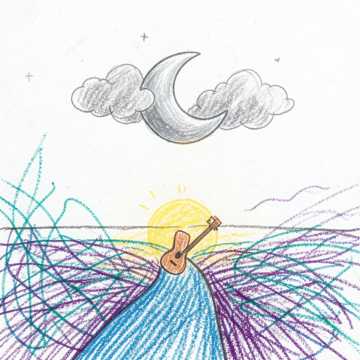
Поведи мене за обрій
Повільна містична композиція про двох людей, яких крізь відстань, ніч і безодню веде незгасний зв'язок. Ніжні образи води, місяця та давньої пам'яті поєднуються з обіцянкою знайти одне одного знову.
04:27
5 hours ago
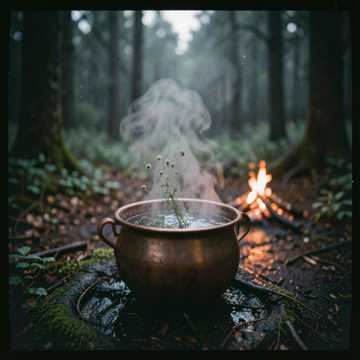
Відьма (Progressive House)
Пісня розповідає про відьму, яка панує над таємничим лісом, але потерпає від самотності. За допомогою зілля вона намагається запросити кохання, та люди бояться її світу. Містичний progressive house поєднує етнічні інструменти, темну електроніку, ритуальні мотиви й драматичний вибух приспіву.
04:09
Invalid date
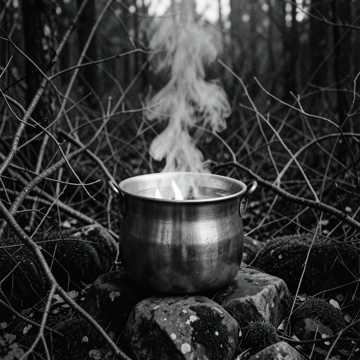
Відьма (Progressive House)
Містична історія самотньої відьми, що керує лісом і варить приворотне зілля в надії зустріти коханого. Та люди оминають похмурі стежки, тому її вогонь згасає разом із надією, залишаючи лише тишу лісу.
04:04
Invalid date
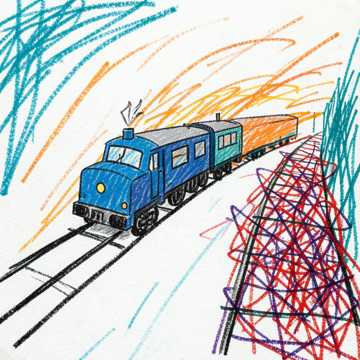
České Dráhy
Dynamická skladba oslavuje nadšení pro české vlaky a trainspotting. Vypravěč staví svou cestu, fotografování i obdiv k železnici proti frustraci z problémů konkurenční dopravy. Industriální EDM a lidové struny mění příběh v energickou kolejovou hymnu.
04:14
21 hours ago

Тече Річенька
Драматична народна історія про дівоче прагнення обрати коханого, тривожне чекання й сімейне благословення. Тиха, близька вокальна подача поступово розгортається у пристрасний приспів, де бандура, скрипка й важкий бас поєднують фольклор із неосоулом.
03:34
1 days ago
І додому дороги ведуть
Антемічна пісня про людей, яких не зламали розлука, тривоги й втрати. Через образи кави, ключів, хліба, дитячих малюнків і пшеничних полів вона стверджує силу взаємної підтримки, пам'яті та повернення додому.
04:03
Invalid date

1
Пісня змальовує душу, що прагне залишити біль і самотність позаду, вирушивши за синій обрій. Карпатські образи, осіння меланхолія та заклик до польоту поступово перетворюються на світлу, танцювальну молитву про свободу, красу й оновлення.
04:39
Invalid date
рг
Крізь виснажливу працю на панщині мати на мить засинає біля немовляти й бачить майбутнє, де її син вільний, заможний і жне власне поле з родиною. Пробудження безжально повертає її до неволі.
03:38
5 days ago
рг
Пісня змальовує виснажену кріпачку, яка годує немовля посеред жнив і засинає. Уві сні її син виростає вільним, щасливим господарем власного поля. Пробудження повертає жінку до суворої реальності панщини.
03:29
5 days ago
рг
Кінематографічна пісня за мотивами поетичного сюжету про виснажену кріпачку-матір. Заколисуючи немовля серед жнив, вона бачить сон про його вільне й щасливе майбутнє, але пробудження повертає її до тяжкої праці.
03:34
5 days ago
вв
Пісня переосмислює трагічну історію матері, виснаженої панщиною. Заколисуючи малого Івана, вона бачить сон про його щасливе, вільне майбутнє, але прокидається до суворої реальності й мусить знову йти в поле.
03:14
5 days ago

вв
Кріпачка, виснажена жнивами, годує малого Івана й засинає над ним. Уві сні вона бачить його вільним, заможним і щасливим батьком на власному полі. Пробудження повертає її до тяжкої панщини та невідкладної праці.
03:15
5 days ago
вв
Кріпачка Іваниха, виснажена працею в полі, годує малого сина й засинає. Уві сні вона бачить його вільним, щасливим господарем власної ниви. Пробудження повертає її до тяжкої реальності, але мрія зберігає материнське тепло.
03:03
5 days ago
сс
Філософська пісня-роздум про тимчасовість людського життя, відповідальність за власний слід і неминучість визначеного часу. Повільне кінематографічне звучання підсилює відчуття тихої молитви, внутрішнього пошуку та прийняття долі.
03:27
6 days ago

сс
Філософська пісня про людське життя як коротку земну мандрівку. Вона закликає свідомо обирати любов замість ненависті, залишати по собі добрий слід і приймати невідворотний, визначений час.
03:20
6 days ago
сс
Пісня розмірковує про тимчасовість людського життя, особистий вибір між любов'ю та ненавистю і потребу залишити по собі добрий слід. Повільне кінематографічне звучання підсилює відчуття спокійного прийняття долі.
03:26
6 days ago

Тиха хвиля
Інструментальна композиція, що розгортається як м’яке коливання води: від розріджених ударів хендпана й далеких арфових обертонів до теплого розквіту бандури та струнних. Фінал повертає слухача до самотньої, спокійної хвилі.
04:00
6 days ago

Вогонь біля ріки
Лірична героїня чекає на повернення коханого, зберігаючи вогонь у домі над рікою. Через образи води, саду, бузку, хліба й солі пісня розкриває тиху вірність, прийняття та надію, що долають відстань, зиму й роки.
03:45
6 days ago
Світло у вікні
Кінематографічна балада про віддане чекання коханої людини. Образи ріки, квітучого саду, м'яти й світла у вікні створюють затишний простір дому, що лишається відкритим попри відстань, втому та зимову самотність.
03:30
6 days ago
Поки серце пам’ятає дім
Кінематографічна балада про дім, що живе в серці попри відстань, зиму й розлуку. Образи верби, саду, хліба та старого листа поєднуються з надією на повернення, а проникливий приспів утверджує силу любові, пам’яті й спільної пісні.
04:03
6 days ago
Introduction to Bandura: The Traditional Ukrainian Musical Instrument
The Bandura is a traditional Ukrainian stringed musical instrument that blends elements of the lute and zither. It is known for its deep, resonant sound and has been a vital part of Ukrainian folk music for centuries. Historically, the origins of the Bandura can be traced back to the kobza, an earlier instrument used by minstrels known as kobzars. The Bandura gained prominence during the 14th century and became the primary instrument of Ukrainian bards who would perform epic songs (dumy) about historical events, religious tales, and folklore. Its evolution saw changes in both structure and musical role, transitioning from a small, portable instrument to a larger, more complex one with multiple strings, often exceeding 60. Today, the Bandura is an iconic symbol of Ukrainian national identity and continues to influence both folk and modern music.
Classifications of the Bandura: From Traditional to Modern
Traditional Bandura
This is the earliest form of Bandura, often small in size with around 20 to 30 strings. It was primarily used by kobzars, wandering musicians in Ukraine, to perform epic songs and folk tales. The traditional Bandura was played by plucking and strumming the strings, producing a sound that closely resembled early folk instruments.
Academic Bandura
The Academic Bandura refers to a modernized version of the instrument, developed in the 20th century for concert performance. It has a more refined construction, with additional strings (up to 68) and a broader tonal range. It is used primarily in classical music settings and has become a popular instrument in Ukrainian orchestras.
Electric Bandura
In more recent years, the Bandura has been adapted into an electric version, allowing for amplification and effects processing. This has expanded the instrument's role in contemporary and experimental music, including genres like rock, electronic, and jazz. The electric Bandura preserves the essence of the traditional instrument while offering new sonic possibilities.
Famous Artists and Works in the Bandura Tradition
Hnat Khotkevych
Hnat Khotkevych was a renowned Ukrainian composer, playwright, and Bandurist who played a crucial role in popularizing the Bandura in the early 20th century. His efforts in standardizing the Academic Bandura and writing music specifically for the instrument helped shape modern Bandura performance. He is remembered for his technical innovations and contribution to preserving traditional Bandura music.
Dumy of the Kobzars
The 'Dumy' are epic poems and songs traditionally performed by kobzars, using the Bandura as the primary accompaniment. These works are historically significant, as they recount the heroism of Cossacks and other Ukrainian historical figures. They are known for their distinctive melodic patterns and improvisational nature, often performed in a free rhythm.
Vasyl Yemetz
Vasyl Yemetz is known as the founder of the Ukrainian Bandura Ensemble and played a key role in promoting the Bandura on the international stage. He was among the first to tour Europe and North America with Bandura performances, spreading knowledge of Ukrainian culture and folk music globally.
Bandura Rhapsody
This modern work, composed by Hnat Khotkevych, showcases the potential of the Academic Bandura in a classical music setting. It combines traditional folk melodies with complex harmonic structures and advanced playing techniques. The piece is celebrated for its rich, layered sound and innovative use of the Bandura in an orchestral context.
Nina Matviyenko
Nina Matviyenko is a celebrated Ukrainian singer and Bandura player who has contributed significantly to the preservation of traditional Ukrainian music. Her emotive performances and powerful voice, combined with the sound of the Bandura, have made her a symbol of Ukrainian cultural heritage. She is particularly known for her renditions of Ukrainian folk songs.
Application Scenarios: The Versatility of Bandura Music
The Bandura’s ethereal and melodic tones make it an ideal instrument for movie soundtracks, especially those with historical or folk themes. Its use can evoke a deep sense of culture, tradition, and emotional resonance, making it perfect for period films or dramas set in Eastern Europe.
Movie Soundtracks
In advertising, the Bandura is used to create a unique auditory identity for products related to heritage, natural beauty, and authenticity. Its traditional sound helps establish a connection with nature and history, making it suitable for commercials promoting artisanal or organic goods.
Advertising Music
In video games, especially those set in fantasy or historical contexts, the Bandura can enhance the immersive experience by providing an authentic Eastern European sound. Its wide range of tonal colors makes it a versatile choice for creating moods ranging from peaceful village scenes to epic battles.
Game Background Music