Free Guzheng Music Generator Powered by AI
Turn text into high-quality Guzheng music effortlessly – no login required!

music.toolTips
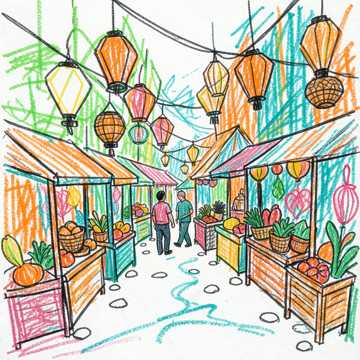
Jade Market Walk
A vivid instrumental stroll through a bustling jade market, pairing earthy plucked strings and wooden clicks with playful hand percussion. Sparse verse-like passages open into brighter flute-led lifts, while bells, drum fills, and cymbal swells keep the scene in gentle motion.
03:07
22 hours ago

Steam Rice Lantern
A one-minute Chinese ambient instrumental that unfolds through gentle guzheng arpeggios, a tender erhu response, and a blooming silk-flute return. Its soft looping pulse and seamless fade create a warm, refined backdrop for dining, relaxation, and cultural gatherings.
03:25
22 hours ago

Jade Market
A graceful80 BPM Chinese traditional instrumental that follows the gentle rhythm of a market stroll. Solo erhu and guzheng establish an intimate opening before flute, woodblocks, pipa, bells, and warm drums expand the scene into a bright, textured celebration.
03:25
22 hours ago

Red Lantern Stalls
A90 BPM instrumental world-pop journey that evokes lantern-lit market streets. Sparse guzheng and erhu phrases grow into bright flute runs, layered strings, tambourine, and tactile percussion, balancing intimate tradition with bustling contemporary energy.
03:19
22 hours ago

Jade Alley
A vivid100 BPM instrumental that evokes a lively jade-market lane. Guzheng phrases, bamboo flute calls, bells, and buoyant bass build from intimate ambience into a bright pentatonic lift, then briefly settle into reflective resonance before the final return.
03:10
22 hours ago

Wokside Lantern Walk
A slow cinematic instrumental that evokes an evening walk through a lantern-lit Chinese market. Pentatonic plucks, guzheng, bamboo flute, hand drums, and warm sub pulses build from intimate ambience into a fuller string-led passage before gently fading away.
03:39
23 hours ago

Wok Cart Parade
A medium-tempo, lo-fi Chinese street-food instrumental that evokes a bustling night market. Sizzling pan hits, bamboo chop taps, rolling guzheng patterns, warm bass pulses, playful erhu, finger cymbals, and clapping accents turn everyday food-stall energy into a bright, close-up parade.
02:48
23 hours ago
Test
一首关于告别与释怀的东方前卫金属核作品。叙述者在记忆、细雨与暮色间接受爱人的远去,并在磅礴的器乐与人声中领悟,真爱也意味着适时放手。
05:53
1 days ago
Kiếp người
Một kẻ si tình đứng trước cầu Nại Hà, thà không siêu thoát còn hơn quên dung nhan người mình yêu. Giữa Vong Xuyên, canh Mạnh Bà và vòng luân hồi, lời ca hóa thành lời thề thủy chung đến tận cùng đau đớn.
04:58
Invalid date

Kiếp người
Một lữ khách trước Cầu Nại Hà quyết không uống canh Mạnh Bà, bởi quên người mình yêu còn đáng sợ hơn không thể siêu thoát. Giai điệu cổ trang buồn, dâng trào theo hành trình yêu, nhớ và chờ qua nhiều kiếp.
04:57
Invalid date

Kiếp người
Một người si tình đứng trước cầu Nại Hà, thà không siêu thoát còn hơn quên dung nhan người thương. Qua hình tượng Mạnh Bà, Vong Xuyên và Tam Sinh Thạch, ca khúc khắc họa lời thề yêu đến tận nhiều kiếp luân hồi.
04:59
Invalid date

Kiếp người
Một người si tình đứng trước Cầu Nại Hà, thà không siêu thoát còn hơn uống canh quên lãng. Qua hình ảnh Vong Xuyên và Tam Sinh Thạch, ca khúc khắc họa tình yêu đau đớn, thủy chung và vượt ngoài nhiều kiếp luân hồi.
04:54
Invalid date

Kiếp người
Một người si tình đau đáu nhớ thương qua nhiều kiếp, sợ bước qua Cầu Nại Hà vì sẽ quên dung nhan người mình yêu. Giữa Vong Xuyên, Tam Sinh Thạch và chén canh Mạnh Bà, nhân vật chọn giữ trọn kýức thay vì lãng quên.
03:38
Invalid date

Kiếp người
Kiếp người là khúc tình ca cổ trang về một người si tình không thể quên dung nhan người thương. Dù đứng trước Vong Xuyên, Cầu Nại Hà và chén canh quên lãng, nhân vật vẫn chọn mang nỗi nhớ đi hết một kiếp.
03:26
Invalid date
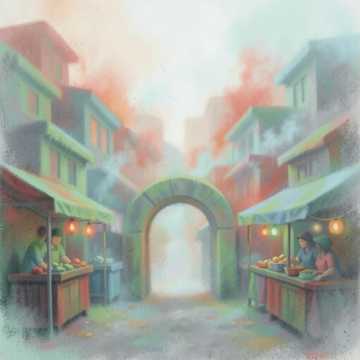
Jade Stall Market
An instrumental Chinese folk fusion piece that evokes a lively jade market through conversational erhu and guzheng melodies, bamboo-flute entrances, coin-like accents, sparse plucked patterns, and a gradually fuller, warmly modern arrangement.
03:33
1 days ago
Jade Market Walk
A vivid Chinese-inspired instrumental that follows the rhythm of a bustling market walk. Plucked strings, bamboo flute motifs, hand percussion, and bell accents create a warm, dusty, medium-tempo atmosphere with lively call-and-response movement.
03:34
1 days ago

Jade Market Drifts
A slow6/8 Chinese instrumental that evokes a peaceful jade market at dusk. Plucked guzheng, responsive bamboo flute, distant erhu, brushed percussion, and soft drum pulses drift between intimate stalls and gently cinematic open spaces.
03:50
1 days ago
Bamboo Basket Stroll
A polished, playful instrumental that evokes a sunlit market walk. Bouncy guzheng patterns and soft percussion establish its easy motion, while erhu, toy piano, reversed bells, and chimes add breezy detail and a sense of gentle discovery.
03:09
1 days ago
Wokside Market
A medium-tempo Chinese pop instrumental that captures the color and motion of a busy market street. Rattling percussion, woodblock pulses, erhu phrases, bamboo flute replies, and rising guzheng runs create an inviting, energetic atmosphere.
03:01
1 days ago

Mala Cart Glow
一首缓慢摇曳的中式流行民谣器乐曲,以古筝、竹笛和手打击乐勾勒街角麻辣摊的暖光。段落由清疏茶馆质感渐渐抬升,锅铲般的点缀与灵动合成器令夜市画面鲜活而轻盈。
03:27
1 days ago
Introduction to Guzheng: Definition and History
The Guzheng, also known simply as 'Zheng,' is a traditional Chinese plucked string instrument with a history spanning over 2,500 years. It is characterized by its large, curved wooden body and between 21 to 26 strings, which are traditionally made of silk but now are often crafted from metal or nylon. The Guzheng is a member of the zither family and has been a vital part of Chinese culture, especially in classical and folk music. Originating during the Warring States period, the Guzheng gained popularity in the Han dynasty and has since evolved, both in design and technique, becoming an essential instrument in Chinese music. The instrument's sound is often described as expressive and resonant, capable of producing a wide range of emotions, from the tranquil and melodic to the powerful and percussive.
Sub-tags and Classifications of Guzheng
Traditional Guzheng
The Traditional Guzheng refers to the classical form of the instrument, which follows ancient construction techniques and musical styles. This sub-tag encompasses traditional Chinese compositions, often linked to regional styles and folk music. The Traditional Guzheng is known for its deep cultural significance and is usually played in solo performances or small ensembles.
Modern Guzheng
Modern Guzheng represents the contemporary evolution of the instrument, incorporating new materials, playing techniques, and fusion genres. This category includes both new compositions written for the Guzheng and innovative playing methods that integrate Western music influences. Modern Guzheng performances might involve electric versions of the instrument and are often featured in global music festivals.
Regional Styles
Regional Styles of Guzheng music refer to the distinctive musical traditions that have developed in various parts of China. These include the Shandong, Hakka, and Zhejiang styles, each with unique tuning methods, playing techniques, and repertoire. Understanding these regional styles is essential for appreciating the diversity within Guzheng music.
Guzheng Ensembles
Guzheng Ensembles involve multiple Guzheng players or a mix of Guzheng with other traditional Chinese instruments. These ensembles perform arranged compositions or original works that highlight the instrument's versatility in group settings. This classification is popular in both educational settings and professional performances.
Famous Artists and Classic Works in Guzheng Music
Liu Wei Ping
Liu Wei Ping is a renowned Guzheng master known for his exceptional technique and contributions to the popularization of the instrument worldwide. His representative works include 'High Mountain and Flowing Water,' which showcases the expressive range of the Guzheng and its ability to convey complex emotions.
High Mountain and Flowing Water
This traditional piece is one of the most revered in the Guzheng repertoire. It is known for its complex finger techniques and dynamic contrasts that mimic the natural landscapes of mountains and rivers. The piece is often performed in solo settings and is a testament to the expressive power of the Guzheng.
Wang Changyuan
Wang Changyuan is famous for her piece 'Fighting the Typhoon,' which is a vivid portrayal of nature's power through Guzheng music. She has also contributed significantly to the modern Guzheng repertoire by composing and performing new works that blend traditional Chinese music with contemporary elements.
Fighting the Typhoon
Composed by Wang Changyuan, 'Fighting the Typhoon' is a modern Guzheng piece that vividly depicts the ferocity of a storm through rapid plucking techniques and intense rhythmic patterns. The composition showcases the instrument's ability to create powerful, dramatic soundscapes.
Zhao Yuzhai
Zhao Yuzhai is a celebrated figure in the Guzheng community, known for his mastery of traditional techniques and his innovative teaching methods. His work 'Autumn Moon Over the Han Palace' remains a classic, reflecting his deep understanding of the instrument’s expressive capabilities.
Autumn Moon Over the Han Palace
This classic work is a staple in the traditional Guzheng repertoire. It is characterized by its gentle, flowing melody and subtle ornamentations, evoking a sense of nostalgia and historical reflection. The piece is often used to demonstrate the lyrical qualities of the Guzheng.
Application Scenarios of Guzheng Music
Guzheng music is frequently used in movie soundtracks, particularly in films that require an authentic Chinese cultural atmosphere. Its sound can evoke a range of emotions, from tranquility to tension, making it ideal for setting scenes in period dramas, martial arts films, or any movie depicting Chinese history and culture.
Movie Soundtracks
The distinctive sound of the Guzheng is increasingly being used in advertising to create an elegant and refined auditory experience. Brands aiming to connect with Chinese cultural elements or convey a sense of timeless beauty often incorporate Guzheng music into their advertisements.
Advertising Music
In the gaming industry, Guzheng music is employed to enhance the immersive experience of games set in ancient China or those with themes of mysticism and fantasy. Its ability to evoke the past and create a mystical ambiance makes it a popular choice for background music in role-playing games (RPGs) and strategy games.
Game Background Music