Free Minor piano Music Generator Powered by AI
Turn text into high-quality Minor piano music effortlessly – no login required!

music.toolTips
God as my witness
A hard-hitting trap narrative about success, grief, loyalty, street reputation, and personal survival. The song contrasts wealth and ambition with trauma, loss, and constant vigilance, supported by a dramatic tempo shift from energetic club vibes to a darker, more intense street atmosphere.
03:46
9 hours ago
حومة والدمعة
تحكي 'حومة والدمعة' قصة عاشق ضائع بين الذكريات والانكسار، يحاول الهروب من الألم لكنه يعود دائماً إلى نفس الجرح. أجواؤها الحزينة تعكس واقع الشارع الجزائري بصدق وعاطفة قوية.
03:35
2 days ago

NON PARLO
Un récit sombre de loyauté et de survie où le silence devient une règle de vie. Entre pression judiciaire, trahisons, famille et code de la rue, le narrateur affirme sa résilience dans une ambiance trap froide et cinématographique.
03:30
3 days ago
CELLULE 9
Une confession sombre et introspective où un narrateur enfermé revisite ses choix, la trahison, l'amour familial et la survie. Entre regrets et résilience, il affirme que la véritable liberté naît d'abord dans l'esprit.
03:05
3 days ago

BARRIO DE NOCHE
Rap urbano multilingüe que retrata la vida nocturna del barrio entre Barcelona, Milano y Francia, con sirenas, trap oscuro y emociones crudas. Historias de lucha, migración y sueños en fuego con energía cinematográfica.
03:18
3 days ago
Backyard Echo
A dark trap song portraying the aftermath of a gunshot in a neighborhood. Through vivid street imagery, fearful reactions, and haunting repetition, it explores how a single violent moment can transform an entire community and leave lasting emotional scars.
02:30
4 days ago
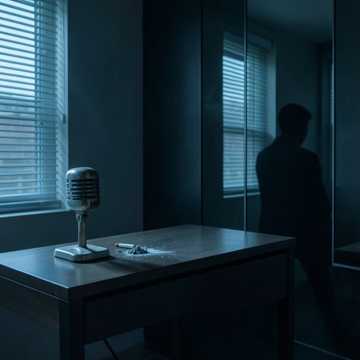
Popper On My Desk
A haunting drill rap track about addiction and denial, the song captures inner conflict, self-awareness, and the struggle to break destructive habits, framed by melancholic instrumentation and introspective lyricism.
03:19
4 days ago
Introduction to Minor Piano: History, Characteristics, and Influence
Minor piano refers to piano music composed in a minor key, which is characterized by its often somber, melancholic, or emotional quality. The minor scale, in contrast to the major scale, tends to evoke darker, more introspective feelings. Historically, minor piano music has been a vital part of classical music, dating back to the Baroque and Classical periods. Composers like Bach and Beethoven used minor keys to express a wide range of emotions, from sorrow to tension. Over time, the minor key became a tool for conveying deeper human experiences, and its role in piano music grew more complex in Romantic and Modern compositions.
Sub-tags and Classifications of Minor Piano Music
Classical Minor Piano
Classical minor piano music refers to works from the Classical period that predominantly utilize minor keys. This genre includes composers such as Beethoven, Mozart, and Chopin, who explored the emotional depth of minor scales through symphonies, sonatas, and concertos. These works are known for their structural formality and technical precision.
Romantic Minor Piano
Romantic minor piano compositions are characterized by their emotional expressiveness and increased technical complexity. Composers like ChopinMinor Piano Content Creation, Liszt, and Schumann often used minor keys to express intense personal emotions, from longing and passion to melancholy. The piano became an instrument of deep emotional communication during this period.
Modern Minor Piano
Modern minor piano music reflects contemporary approaches to dissonance, rhythm, and tonal exploration. Composers such as Debussy, Rachmaninoff, and even newer voices like Philip Glass use the minor key to evoke a broad spectrum of emotions and atmosphere. The approach to harmony is often more experimental and free-form compared to earlier periods.
Jazz Minor Piano
Jazz minor piano incorporates the principles of jazz improvisation with minor chord progressions. Artists like Bill Evans and Thelonious Monk have brought new life to minor keys through complex harmonies and intricate rhythms. The minor scale, in jazz, often becomes a medium for creating mood and tension in solo improvisations.
Famous Artists and Iconic Works in Minor Piano Music
Ludwig van Beethoven
Beethoven's use of the minor key, especially in works like the Piano Sonata No. 23 'Appassionata' and the Moonlight Sonata (Piano Sonata No. 14), revolutionized classical piano music. His compositions explored the emotional depth of minor scales, blending tension and release in groundbreaking ways.
Beethoven – Piano Sonata No. 14 'Moonlight Sonata'
The 'Moonlight Sonata' in C-sharp minor is one of Beethoven's most famous minor key works. The first movement, with its serene and melancholic mood, uses the minor scale to convey a sense of longing and introspection. The haunting atmosphere of the piece has made it a quintessential example of the emotional depth achievable through minor piano music.
Frédéric Chopin
Chopin's mastery of the minor key is evident in many of his Nocturnes, Ballades, and Études. Pieces like the Nocturne in C minor and the Ballade No. 1 in G minor are emblematic of the Romantic era’s emotional intensity, with Chopin's delicate yet passionate handling of the minor scale creating an evocative, intimate atmosphere.
Chopin – Ballade No. 1 in G minor
Chopin's Ballade No. 1 in G minor is a dramatic and emotionally complex work that showcases his virtuosity and mastery of the minor scale. The piece alternates between moments of lyrical beauty and intense passion, with the minor key enhancing its sense of struggle and resolution.
Sergei Rachmaninoff
Rachmaninoff is known for his lush, emotionally charged piano works in minor keys, such as his Prelude in C-sharp minor and the Piano Concerto No. 2. His music combines virtuosic technicality with deeply felt emotional expression, often using minor keys to express longing, sorrow, and nostalgia.
Rachmaninoff – Prelude in C-sharp minor
Rachmaninoff's Prelude in C-sharp minor is one of his most iconic pieces, known for its sweeping emotional intensity and rich, dark harmonies. The minor key is used here to create a sense of tension and sorrow, with the powerful, thunderous chords contrasting with more lyrical, introspective passages.
Application Scenarios for Minor Piano Music
Minor piano music is frequently used in movie soundtracks to evoke a sense of tension, mystery, or sadness. Classic examples include the use of minor piano motifs in films like 'The Pianist' and 'Schindler’s List,' where the music enhances the emotional gravity of the scenes, underscoring the themes of loss, suffering, and resilience.
Movie Soundtracks
In video games, minor piano music is often used to create an atmospheric backdrop or underscore intense, dramatic moments. Games like 'Silent Hill' and 'Final Fantasy' employ minor key piano compositions to heighten the sense of foreboding or emotional depth in their narratives.
Video Game Music
Minor piano music can also be found in advertising, especially in commercials that seek to convey a sense of sophistication, contemplation, or somber reflection. Its subtle, emotional resonance is perfect for ads that aim to provoke thought or evoke a deeper connection with the viewer.
Advertising Music