Free Orthodox Music Generator Powered by AI
Turn text into high-quality Orthodox music effortlessly – no login required!

music.toolTips

psalm 103
A deeply spiritual Orthodox psalm, 'psalm 103' resonates with its serene vocal harmonies and traditional church tropar style.
03:33
2024-08-26
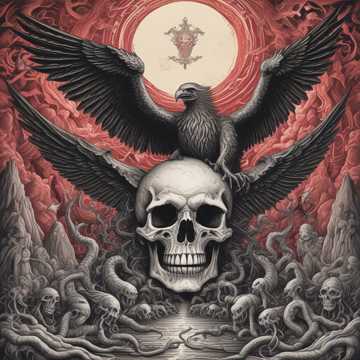
Blasphemous Nightfall
A dissonant chaotic orthodox black metal saga of unholy vengeance, eternal darkness, and spectral screams, 'Blasphemous Nightfall' explores themes of rebellion and divine conflict.
04:00
2024-08-19

Ssk
A majestic anthem 'Ssk' resonating with Orthodox war chants and Byzantine march melodies, depicting a journey of faith and valor.
04:00
2024-08-16

SSK
A majestic Byzantine marching song, 'Hymn of the Sublime State' celebrates valor, faith, and the pursuit of peace under Christ's guidance.
04:00
2024-08-14

Risen Order
A majestic anthem of faith and valor, 'Risen Order' embodies courage and devotion in an Orthodox war chant style, echoing Byzantine traditions.
04:00
2024-08-14
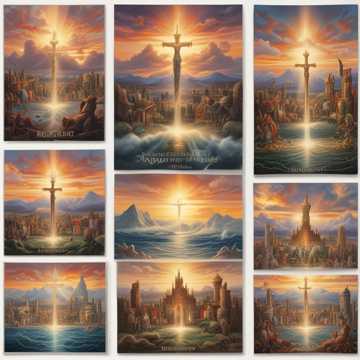
The Sublime State has Risen
A stirring anthem of faith and valor, 'The Sublime State has Risen' glorifies a sacred mission under Christ's banner.
04:00
2024-08-14

Ridin' on faith
A poignant country gospel song, 'Ridin' on faith' celebrates unwavering trust in God amidst life's challenges.
02:39
2024-08-03

በህብረኞችን ጣር
'በህብረኞችን ጣር' የልብ ፍቅርን፣ ህይወትን፣ እና መንፈሳዊ ጉዞን የሚገልጽ ስሜታዊ ዘፈን ነው። በግዕዝ ልብ ተንቀሳቃሽ ታቦ ሙዚቃ የተቀነባበረው ይህ ዘፈን፣ ፍቅርን እና እምነትን በጥልቀት ያሳያል።
02:46
2024-07-28

Unexpected Joy
'Unexpected Joy' narrates a sinner's spiritual journey, blending Orthodox Christian theology with K-pop balladry. It depicts a man's encounter with the Virgin Mary and Christ, leading to profound repentance and divine forgiveness.
03:37
2024-07-28

Mercy's Redemption: The Unexpected Joy
'Mercy's Redemption: The Unexpected Joy' narrates a sinner's transformative encounter with divine mercy. Through the intercession of the Virgin Mary, the protagonist experiences a profound spiritual awakening, leading to repentance and redemption in Christ's love.
03:03
2024-07-26
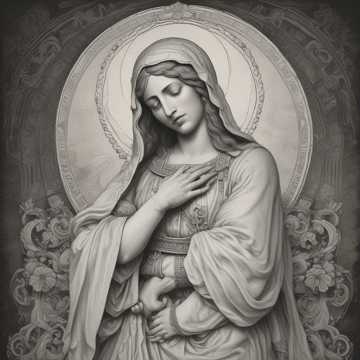
Mercy's Redemption: The Unexpected Joy
'Mercy's Redemption: The Unexpected Joy' narrates a sinner's journey from the brink of despair to redemption through the intercession of the Virgin Mary. The song blends contemporary Christian music with traditional Orthodox themes, emphasizing divine mercy and the power of repentance.
03:24
2024-07-26
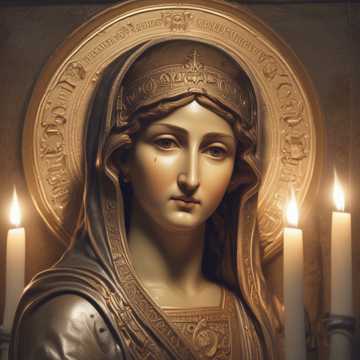
Mercy's Redemption: The Unexpected Joy
'Mercy's Redemption: The Unexpected Joy' narrates a sinner's transformative encounter with divine grace. Through vivid imagery and dialogue, it portrays a man's journey from sin to redemption, emphasizing the intercessory power of the Virgin Mary and Christ's mercy.
04:00
2024-07-25
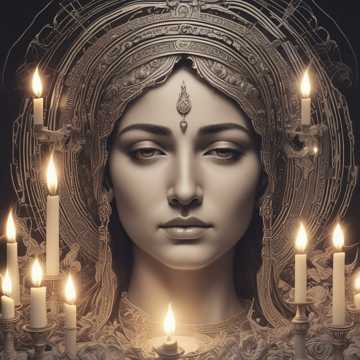
Mercy's Redemption: The Unexpected Joy
A poignant sacred choral piece narrating a sinner's encounter with divine mercy through the Virgin Mary's intercession. It weaves themes of repentance, forgiveness, and spiritual transformation, culminating in unexpected joy and redemption.
03:25
2024-07-25
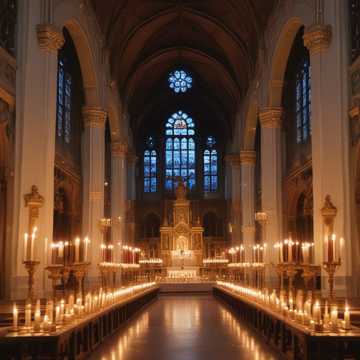
Wealth of Faith
'Wealth of Faith' is a deeply spiritual song celebrating Orthodox faith. It paints a vivid picture of religious devotion through imagery of candles, icons, and sacred spaces. The lyrics emphasize the strength, comfort, and richness found in faith.
02:49
2024-07-25
Saint Demetrius' Legacy
'Saint Demetrius' Legacy' is a heartfelt tribute to the martyred saint of Thessalonica. This melodic acoustic Celtic hymn narrates his unwavering faith, courageous deeds, and ultimate sacrifice, emphasizing his enduring spiritual legacy and protection.
02:39
2024-07-25
പരുമല
പരുമല തിരുമേനിയെ കുറിച്ചുള്ള ഈ ഗാനം, മലങ്കര സഭയുടെ വിശുദ്ധനെ വാഴ്ത്തുകയും അദ്ദേഹത്തിന്റെ കരുണയും സഹായവും അർത്ഥിക്കുകയും ചെയ്യുന്നു. ആധ്യാത്മിക ഭക്തിയും വികാരതീവ്രതയും നിറഞ്ഞ വരികൾ ഗാനത്തിന് ഒരു ഗംഭീര ആത്മീയാനുഭവം നൽകുന്നു.
03:05
2024-07-24

Espoir d'une guerre
'Espoir d'une guerre' dépeint la lutte intérieure d'un pasteur confronté à l'horreur et au doute. Malgré sa foi chancelante, il persévère, symbolisant la renaissance et l'espoir face à l'adversité. Le morceau mêle imagerie religieuse et métaphores animales dans un style rock épique.
03:57
2024-07-23

God's Grace in Georgian Chant
ეს ქართული საგალობელი ასახავს ღვთის მადლს, წმინდა სულის ძალას და ქრისტიანული რწმენის ძირითად პრინციპებს. ლირიკა გვიხატავს სულიერ მოგზაურობას, სადაც ღვთიური სიყვარული და მიტევება ცენტრალურ როლს თამაშობს.
02:38
2024-07-20
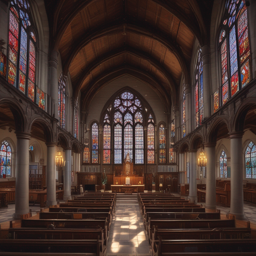
Faith on the Farm
'Faith on the Farm' is a heartfelt duet blending country and acoustic styles, exploring Orthodox Christian faith in a rural setting. It portrays generational traditions, communal worship, and the enduring comfort of spiritual heritage through vivid imagery and soulful harmonies.
02:55
2024-07-16

Ancient Rivers
'Ancient Rivers' is a profound exploration of Orthodox Christian faith, blending vivid imagery of rural chapels, ancient rituals, and enduring traditions. The song's melodic country acoustic style complements its themes of spiritual connection and timeless devotion.
02:21
2024-07-16
Introduction to Orthodox Music: Definition and History
Orthodox music, often referred to as Eastern Orthodox Christian music, is a genre deeply rooted in the liturgical traditions of the Eastern Orthodox Church. Its origins trace back to the early Christian practices in the Byzantine Empire, where chant and hymnography were integral to worship. Over the centuries, Orthodox music has evolved, but it has retained its sacred and solemn character, often characterized by a cappella choral singing, intricate harmonies, and the absence of instrumental accompaniment. The genre reflects the theological and spiritual depth of Orthodox Christianity, with texts typically derived from scripture or church liturgy.
Sub-tags and Classifications in Orthodox Music
Byzantine Chant
Byzantine Chant is the oldest and most traditional form of Orthodox music. Originating from the early Byzantine Empire, it is characterized by monophonic, unaccompanied vocal music, where melody takes precedence over harmony. The chants are usually performed by a choir or a soloist, often a priest or cantor, and are used to enhance the liturgical text in a deeply spiritual and meditative manner.
Slavic Choral Music
Slavic Choral Music, particularly from Russian and Serbian Orthodox traditions, is known for its rich, resonant harmonies and deep bass lines. This sub-tag represents a later development in Orthodox music, influenced by local folk traditions and the adoption of polyphony. The music is typically performed by large choirs, creating a powerful and immersive sound, often used in major feasts and celebrations within the church.
Znamenny Chant
Znamenny Chant is a specific type of chant from the Russian Orthodox tradition, distinguished by its use of unique neumatic notation known as 'znamena'. It is monophonic and modal, with a solemn and ascetic tone. Znamenny Chant has a spiritual intensity that aligns with the ascetic practices of Orthodox monasticism.
Famous Artists and Classic Works in Orthodox Music
Sergei Rachmaninoff
Sergei Rachmaninoff was a Russian composer and pianist whose works include several pieces of sacred Orthodox music. His 'All-Night Vigil (Vespers)', composed in 1915, is one of the most celebrated pieces in Orthodox choral music, known for its profound spiritual depth and intricate harmonic structures.
Rachmaninoff's 'All-Night Vigil'
Composed in 1915, Rachmaninoff's 'All-Night Vigil' is considered one of the greatest achievements in Russian Orthodox music. The work is a cycle of fifteen movements that blend traditional Orthodox chant with Rachmaninoff's lush harmonic language. The piece is noted for its emotional depth, spiritual intensity, and the masterful use of choral voices, particularly in the famous 'Bogoroditse Devo' movement.
Arvo Pärt
Arvo Pärt is an Estonian composer whose minimalist compositions are heavily influenced by Orthodox spirituality. His work 'Kanon Pokajanen', a setting of the Orthodox Canon of Repentance, is a modern example of Orthodox liturgical music that blends traditional chant with contemporary techniques, creating a timeless, meditative atmosphere.
Tchaikovsky's 'Liturgy of St. John Chrysostom'
Tchaikovsky's 'Liturgy of St. John Chrysostom', composed in 1878, is one of the earliest examples of a Russian composer writing liturgical music for the Orthodox Church. The work is a setting of the Divine Liturgy and showcases Tchaikovsky's ability to integrate Western compositional techniques with the Orthodox tradition, resulting in a piece that is both solemn and accessible.
John Tavener
John Tavener was a British composer who converted to Orthodox Christianity and became renowned for his sacred music, deeply inspired by Orthodox liturgy. His piece 'The Protecting Veil' is a notable example of his work, combining Orthodox themes with Western classical forms, resulting in a transcendent musical experience.
Application Scenarios for Orthodox Music
Orthodox music is often used in film soundtracks to evoke a sense of spirituality, tradition, and depth. The solemn and contemplative nature of Orthodox choral music makes it an ideal choice for scenes that explore themes of faith, redemption, or historical depth, as seen in films like 'The Island' (2006), a Russian film that extensively uses Orthodox music.
Film Soundtracks
Orthodox music remains integral to religious services and ceremonies within the Eastern Orthodox Church. The music serves not only as an accompaniment to the liturgy but as a form of prayer itself, enhancing the spiritual atmosphere and connecting the congregation to the divine. It is commonly used during major feasts, weddings, baptisms, and funerals.
Religious Services and Ceremonies
Due to its deeply spiritual and calming qualities, Orthodox music is often used for meditation and personal reflection. The a cappella choral arrangements and ancient chants provide a serene backdrop that helps individuals focus on inner peace and contemplation, making it popular in both religious and secular settings.
Meditation and Personal Reflection