Free Russian language Music Generator Powered by AI
Turn text into high-quality Russian language music effortlessly – no login required!

music.toolTips

За стеной из снов
A mystical journey through urban despair and dreams, 'Behind the Wall of Dreams' captures intense emotions with its ambient psychedelic hard rock melody.
03:45
2024-10-09

Країна Мрій
Країна Мрій is a melodic ballad exploring existential themes through poetic lyrics and emotive instrumentation.
02:55
2024-10-09
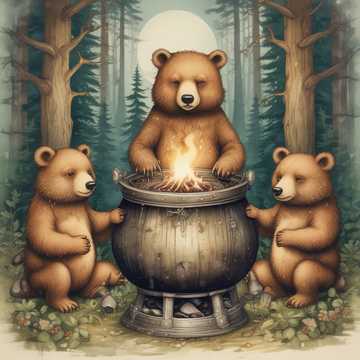
Медведи
Медведи (Bears) is a whimsical Russian hard rock song depicting three bears' culinary adventures and mishaps, infused with humor and vivid storytelling.
03:32
2024-10-09
Ромка
Ромка is a dynamic Russian song blending slow rock and energy rap, characterized by intense emotions and vivid storytelling.
02:49
2024-10-09

Герману
Герману blends female raga rap and reggae vocals with trip hop and synthpop elements, delivering a powerful, dynamic experience that captivates with its rhythmic intensity and lyrical prowess.
01:44
2024-10-09

Любовь в огне
Любовь в огне ('Love in Flames') portrays a narrative of lost love amidst a backdrop of fading stars and eternal longing, blending Russian Pop and Chanson genres with emotive storytelling.
03:33
2024-10-09

Глаза
Глаза ('Eyes') captures the emotional spectrum through colors of eyes, set to a pop melody.
02:16
2024-10-09

Они обнимались
Они обнимались portrays a heartfelt exchange between two individuals, expressing love, happiness, and the beauty of companionship through soulful lyrics and a dreamy male voice.
03:00
2024-10-08

Школьный праздник
Школьный праздник is a joyous celebration of school life, filled with laughter, friendship, and nostalgia. It encapsulates the essence of a happy pop song, bringing back memories of school days and festive gatherings.
03:05
2024-10-08

Мадам Герцен
A poignant narrative of love and loss, 'Мадам Герцен' delves into deep emotional turmoil through intense male vocals and violin, complemented by piano and dance rhythms.
02:49
2024-10-08
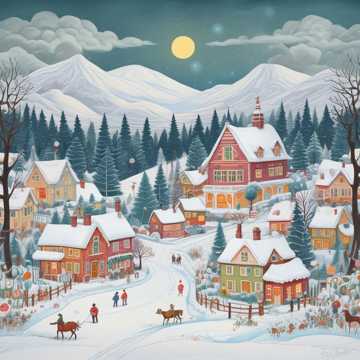
Karina
Karina celebrates her birthday in Svobodny on October 10, 2024. The song reflects on childhood memories, growing up, and moments shared with loved ones.
02:47
2024-10-08

Аромат. Игорь Ленский
Аромат by Igor Lensky is a heartfelt Russian ballad portraying the aftermath of a breakup through evocative lyrics and a melodic style that blends Russian and Moldau music influences.
02:47
2024-10-08

Кушала фекалии
Кушала фекалии depicts Masha's bleak existence, revolving around consuming filth as a metaphor for her troubled life in prison.
02:30
2024-10-08

женский вопрос
женский вопрос encapsulates the essence of women's pivotal roles and charm through spirited chanson melodies and heartfelt lyrics.
03:11
2024-10-08

Пурга
Пурга blends trap and rap with chaotic humor, featuring a male voice freestyle. The lyrics explore humorous chaos and vivid storytelling.
01:19
2024-10-08
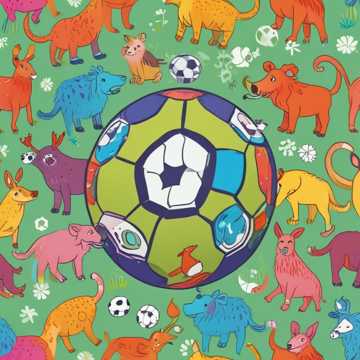
Ежи и зайцы играют в футбол.
A lively Russian folk-inspired song about hedgehogs and hares playing football, filled with joy, laughter, and friendship.
02:29
2024-10-08

ты не моя невеста
A poignant alternative rap piece, 'ты не моя невеста' delves into themes of unrequited love and emotional longing, driven by melodic guitar and deep male vocals.
02:36
2024-10-08

Цыган царевич
Цыган Царевич, a hard rock narrative about a gypsy prince and his roving horse, weaving tales of theft and charm.
03:28
2024-10-08

Псалом 18. Юрий Куимов
A majestic hard rock anthem celebrating divine wisdom and spiritual enlightenment through profound lyrics.
03:02
2024-10-08

Иоахим Рингельнатц. Картофельный стих Юрий Куимов
A whimsical and poetic ode to potatoes, 'Иоахим Рингельнатц. Картофельный стих Юрий Куимов' celebrates the humble tuber with humor and elegance, set to a fusion of tabor beats and Bollywood-inspired melodies.
02:31
2024-10-08
Introduction to Russian Language Music
Russian language music refers to compositions and songs that are primarily written and performed in the Russian language. The Russian language is one of the most widely spoken languages in the world, with over 1000 million speakers. It is the official language of Russia, Belarus, Kazakhstan, and Kyrgyzstan, and has a rich history that dates back to the 10th century with the adoption of the Cyrillic script. Over the centuries, Russian has evolved through various stages, including Old Russian, Middle Russian, and Modern Russian, shaping its phonetic, grammatical, and lexical characteristics. Russian music, especially in the 19th and 20th centuries, played a significant role in global cultural exchanges, and its influence is evident in classical music, folk traditions, and contemporary genres.
Sub-tags and Classifications of Russian Language Music
Russian Folk Music
Russian folk music is deeply rooted in the country's rural traditions and has been passed down through generations. It features a wide range of vocal styles, including polyphonic singing, and is often accompanied by traditional instruments such as the balalaika, gusli, and accordion. Folk music often tells stories of love, nature, and daily life, and it played a crucial role in preserving Russian culture during times of political and social upheaval.
Russian Classical Music
Russian classical music encompasses works by renowned composers such as Pyotr Ilyich Tchaikovsky, Sergei Rachmaninoff, and Dmitri Shostakovich. These composers created symphonies, ballets, operas, and piano concertos that are celebrated worldwide. Russian classical music is known for its emotional depth, complex harmonies, and integration of Russian folk melodies into sophisticated compositions.
Russian Pop Music
Russian pop music emerged in the 20th century and has since become a dominant genre in the country. It blends elements of Western pop with Russian lyrical traditions, creating catchy melodies and relatable themes. Russian pop stars like Alla Pugacheva and modern acts like Dima Bilan have gained immense popularity both domestically and internationally.
Russian Rock and Alternative Music
Russian rock and alternative music gained prominence in the late Soviet era as a form of counterculture. Bands like Kino and DDT used their music to address social and political issues, often in defiance of state censorship. This genre remains influential, with contemporary bands continuing to push the boundaries of expression in the Russian language.
Russian Hip-Hop and Rap
Russian hip-hop and rap have become increasingly popular in the 21st century, with artists like Oxxxymiron and Noize MC leading the way. These genres often tackle themes of identity, societal challenges, and personal struggles, resonating with younger audiences. Russian rap is characterized by its rhythmic complexity and lyrical dexterity, often blending street slang with literary references.
Famous Artists and Works in Russian Language Music
Pyotr Ilyich Tchaikovsky
Tchaikovsky is one of the most famous Russian composers, known for his ballets like 'Swan Lake' and 'The Nutcracker,' which have become timeless classics. His work combines Russian folk elements with Western classical traditions, creating music that is both emotionally powerful and technically intricate.
Swan Lake by Pyotr Ilyich Tchaikovsky
Swan Lake is one of the most famous ballets in the world, known for its hauntingly beautiful music and tragic love story. Tchaikovsky's use of leitmotifs to represent characters and themes was innovative, and the ballet's 'White Swan' and 'Black Swan' pas de deux are iconic moments in classical music.
Sergei Rachmaninoff
Rachmaninoff was a virtuoso pianist and composer whose works, such as the 'Piano Concerto No. 2' and 'Rhapsody on a Theme of Paganini,' are celebrated for their lyrical beauty and technical challenges. His compositions are deeply rooted in the Romantic tradition but also reflect a uniquely Russian sensibility.
Piano Concerto No. 2 by Sergei Rachmaninoff
Rachmaninoff's 'Piano Concerto No. 2' is a cornerstone of the piano repertoire, beloved for its lush melodies and emotional intensity. The concerto's second movement, with its lyrical piano line and orchestral support, showcases Rachmaninoff's ability to evoke deep feelings through music.
Alla Pugacheva
Alla Pugacheva is one of the most iconic figures in Russian pop music. Her powerful voice and diverse repertoire, ranging from pop ballads to rock-inspired tracks, have earned her a legendary status in Russia and beyond. Songs like 'Million Roses' remain popular decades after their release.
Million Roses by Alla Pugacheva
'Million Roses' is a classic Russian pop song that tells the story of a painter who expresses his love by covering a courtyard in roses. The song's memorable melody and Pugacheva's passionate performance have made it an enduring favorite in Russian-speaking countries.
Oxxxymiron
Oxxxymiron is a leading figure in Russian hip-hop, known for his complex lyrics and battle rap skills. His album 'Gorgorod' is considered a masterpiece in the genre, blending narrative storytelling with sharp social commentary.
Gorgorod by Oxxxymiron
'Gorgorod' is a concept album that tells the story of a dystopian city through the lens of a writer. The album is notable for its intricate wordplay, cultural references, and its exploration of themes like freedom, power, and identity. It is a landmark in Russian-language hip-hop.
Application Scenarios for Russian Language Music
Russian language music is often used in film soundtracks to evoke a specific cultural atmosphere or to underscore emotional scenes. For example, Tchaikovsky's compositions are frequently used in movies to convey drama and intensity.
Movie Soundtracks
Russian pop and folk music are commonly used in advertising to appeal to Russian-speaking audiences or to add an authentic cultural flavor to commercials. The catchy melodies and familiar themes resonate well with consumers, enhancing brand connection.
Advertising Music
Russian language music, particularly from genres like classical or folk, is used in video games to create immersive environments. Games set in Russia or featuring Russian characters often include traditional Russian music to enhance the gaming experience.
Game Background Music
Russian language music is a staple at cultural festivals and events, where it is used to celebrate Russian heritage. Performances of folk songs, classical pieces, and contemporary hits are integral to these events, bringing people together to enjoy and preserve Russian culture.
Cultural Festivals and Events