Free Swing Music Generator Powered by AI
Turn text into high-quality Swing music effortlessly – no login required!

music.toolTips
Vh
Vh sevgi yaqinligidan cho'chigan insonning ichki himoyasini tasvirlaydi. Qalb yana jarohatlanishdan qo'rqadi, ammo bu iztirob qayg'uli emas, balki sho'x jazz-blues kinoyasi, sokin ishonchsizlik va jozibali sovuqqonlik bilan aytiladi.
01:10
2 days ago
Espress
Sur un swing de café parisien vif et théâtral, Espress énumère les expressions françaises de la fatigue, de la misère et de l'acharnement. L'humour populaire, les choeurs et les cuivres transforment le découragement en numéro de cabaret collectif, dansant et résolument chaleureux.
03:03
2 days ago
Pocket Harmonica
A gritty blues harmonica instrumental built on a loose swung12-bar shuffle. Solo harp and foot-tap pulse grow into brushed drums and walking bass, while call-and-response bends, sustained draws, and fast turnaround runs evoke an intimate late-night club performance.
03:13
Invalid date

Coral Carousel
A bright, floating instrumental that blends tropical dream pop, doo-wop warmth, and gentle swing. Ukulele, upright bass, hand percussion, marimba, distant claps, and lush wordless choirs create a nostalgic, ocean-side sense of motion and release.
03:28
3 days ago
Vojnoví psi
Dynamická herná skladba oslavuje dvojicu Sttratoz a Horkrax: jeden neúnavne útočí, druhý zachraňuje padlých. Retro big-band pop mení bojovú stratégiu na hravú, teatrálnu a víťaznú hymnu o spolupráci.
02:29
3 days ago
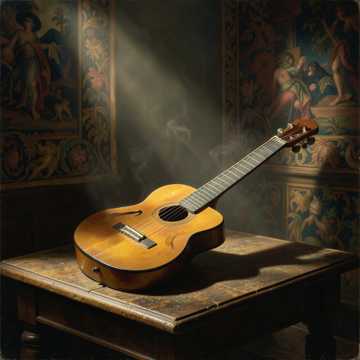
Blue G String
A smooth, close-miked jazz guitar piece that moves from sparse swing comping into a fuller small-combo glow. Its G-string solo, soft horn answers, bass walkups, and brisk drum turnarounds create a private, late-night atmosphere.
03:58
3 days ago

alastor
An instrumental concept centered on Alastor’s sinister elegance: vintage radio atmosphere, cabaret drama, mischievous menace, and infernal theatricality. With no lyrics provided, its identity relies on melodic character, cinematic tension, and the flamboyant aura associated with Hazbin Hotel’s Radio Demon.
02:17
Invalid date

Crystal Dial
'Crystal Dial' is a dusty, cinematic instrumental evoking a 1930s radio drama broadcast. Combining a slow march pulse with stately swing rhythms, crackling horn stabs, upright bass, brushed drums, and old-time piano, it transports listeners into a nostalgic era of vintage airwaves and timeless mystery.
01:05
Invalid date
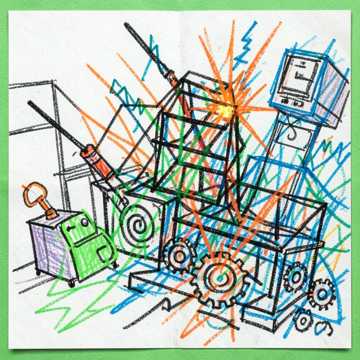
Mad glad and dangerous
A mischievous industrial cabaret anthem about Thomas Bather and Tomstech, where wild engineering, eccentric materials, and fearless experimentation transform impossible ideas into bold, iconic inventions.
03:52
4 days ago
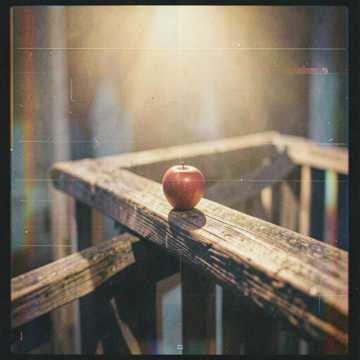
The Balcony's Best
'The Balcony's Best' is a lively comic vaudeville swing track celebrating the sharp wit and enduring friendship of two iconic theater hecklers. Driven by a brisk two-beat groove, tack piano, and playful brass, it delivers nostalgic, theatrical humor through dry spoken-sung banter and tight vocal harmonies.
02:00
4 days ago
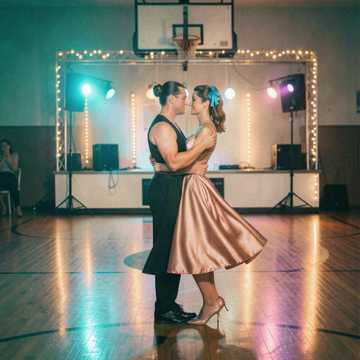
When the Last Bell Goes
'When the Last Bell Goes' is a nostalgic 1950s doo-wop and rockabilly track capturing the magic and nervous excitement of a high school prom. With upbeat shuffle grooves, vintage harmonies, and heartwarming lyrics, it celebrates youthful romance and the sweet promise of walking home after the final dance.
02:16
4 days ago
La Doña
'La Doña' es un festivo y teatral tema de big band swing que rinde homenaje al respeto, la elegancia y la autoridad indomable en el club 'La Caña Blanca'. Con llamado y respuesta, narra cómo todos, desde banqueros hasta pintores, deben reconocer el carácter imponente de su verdadera reina.
03:41
4 days ago
Sweetest Thief
'Sweetest Thief' is a captivating theatrical cabaret track about a charming imposter hiding behind a borrowed facade. Blending cheeky vaudeville swing, percussive piano, and nimble fiddle countermelodies, the song playfully calls out the disguise, inviting the lovely thief to drop the act and embrace the spotlight.
02:52
Invalid date
Velvet Tusk
Velvet Tusk evoca un cabaret clandestino y decadente mediante un balanceo lento en6/8. El trombón imponente, las palmas, el contrabajo pulsante y los metales expansivos construyen una escena teatral, sensual y ligeramente grotesca, ideal para una entrada triunfal bajo un foco de humo.
03:00
5 days ago
Blue Slide Parade
A relaxed B-flat major blues instrumental built on walking bass, brushed swing, and conversational trombone. Plunger smears, glissando bends, fall-offs, and a stop-time break create a playful late-night club atmosphere, while the final chorus tightens the groove with a crisp turnaround.
03:58
5 days ago
Spinel’s Wild Gang
A mischievous Spinel leads a colorful gang through a vaudeville-style ambush, turning every listener into part of a frantic dance. The song combines cartoon villain theatrics, playful danger, and escalating ensemble chaos before ending with an invitation to return for another performance.
02:31
5 days ago

Fly School Shuffle
A mischievous fly turns a quiet school day into animated chaos. Clarinet, pizzicato strings, xylophone, bassoon, and muted brass trace sleepy anticipation, playful trouble, frantic pursuit, and triumphant escape through elastic tempo shifts, sudden pauses, marimba ticks, and crisp vintage-cartoon orchestration.
02:22
5 days ago

CAI by infinity 3
Un hymne d’équipe énergique consacré à l’ambition immobilière, au dépassement de soi et à la réussite collective. Les voix masculines, les chœurs et les rythmes dansants transforment le défi commercial en célébration motivante.
02:31
5 days ago

CAI by infinity 2
Ce titre motivant transforme l’immobilier en véritable terrain de conquête. Porté par des voix masculines et féminines, des chœurs et un mélange swing, bluegrass et salsa, il célèbre la stratégie, la solidarité, la performance et la satisfaction des clients.
02:32
5 days ago

Mad glad and dangerous
A theatrical inventor’s anthem celebrating eccentric engineering, fearless experimentation, and rebellion against convention. With industrial swagger, comic menace, and explosive chants, Tomstech transforms impossible ideas into iconic creations while inviting dreamers and weirdos to melt the mould.
03:38
5 days ago
Introduction to Swing Music: Definition and History
Swing is a style of jazz music that emerged in the United States during the 1920s and gained popularity in the 1930s and 1940s. Characterized by a strong rhythm section, a syncopated rhythm, and a lively tempo, Swing became synonymous with big bands and danceable music. Its roots can be traced back to the early jazz and blues genres, particularly in African American communities. The Swing era saw the rise of large ensembles, often featuring sections of brass, woodwinds, and rhythm instruments, creating a rich, full sound that was both complex and accessible. As Swing music developed, it became a cultural phenomenon, influencing dance styles, fashion, and social norms of the time. The Swing era eventually gave way to bebop and other modern jazz styles in the late 1940s, but its impact on music and culture remains significant.
Sub-tags and Classifications of Swing Music
Big Band Swing
Big Band Swing is perhaps the most well-known style of Swing music, characterized by large ensembles featuring sections of brass, woodwinds, and a rhythm section. This style often includes arranged compositions with opportunities for solo improvisations. Famous big band leaders like Duke Ellington, Count Basie, and Glenn Miller played crucial roles in popularizing this sub-genre. The music is often lively, energetic, and highly danceable, embodying the spirit of the Swing era.
Hot Swing
Hot Swing, also known as Hot Jazz, is a style that emphasizes solo improvisation and a fast tempo. Originating in the early development of Swing music, Hot Swing was heavily influenced by the New Orleans jazz tradition. Artists like Louis Armstrong and Benny Goodman were prominent figures in this sub-genre, pushing the boundaries of jazz improvisation and ensemble interplay. Hot Swing is marked by its vibrant, fiery energy and intricate musical dialogues between band members.
Sweet Swing
Sweet Swing, in contrast to Hot Swing, focuses on smoother, more melodic arrangements often intended for dancing. This sub-genre is characterized by its relaxed tempo and less emphasis on improvisation, making it more accessible to a broader audience. Sweet Swing bands, such as those led by Glenn Miller and Paul Whiteman, often included lush string sections and were known for their polished, refined sound. This style of Swing catered to a more commercial audience, often played at upscale venues and events.
Western Swing
Western Swing is a fusion of Swing music and country-western styles, primarily emerging in the American Southwest in the 1930s and 1940s. It combines the rhythmic drive and improvisational style of Swing with the instrumentation and lyrical themes of country music. Pioneered by artists like Bob Wills and His Texas Playboys, Western Swing often features fiddles, steel guitars, and a rhythm section, creating a danceable, upbeat sound that appeals to fans of both jazz and country music.
Famous Artists and Works of Swing Music
Duke Ellington
Duke Ellington was a pioneering figure in Swing music, known for his sophisticated compositions and arrangements that showcased the talents of his orchestra members. Ellington's work, such as 'It Don't Mean a Thing (If It Ain't Got That Swing)' and 'Take the A Train,' became jazz standards. His innovative use of orchestration and harmony expanded the boundaries of Swing, influencing countless musicians and composers in the genre.
Sing, Sing, Sing (With a Swing) by Benny Goodman
'Sing, Sing, Sing (With a Swing)' is a classic Swing era piece that exemplifies the energy and drive of big band Swing. Composed by Louis Prima and popularized by Benny Goodman, the piece is known for its relentless rhythm, powerful brass sections, and extended drum solos, particularly those by Gene Krupa. The song's infectious groove and improvisational passages make it a staple of Swing music and a favorite among dancers and jazz enthusiasts alike.
Benny Goodman
Benny Goodman, known as the 'King of Swing,' was a clarinetist and bandleader who played a crucial role in popularizing Swing music in the 1930s and 1940s. Goodman's band was one of the first racially integrated groups in the United States, breaking down barriers in the music industry. His performances at the Palomar Ballroom and Carnegie Hall helped bring Swing to a mainstream audience, and his recordings, such as 'Sing, Sing, Sing' and 'Let's Dance,' are considered iconic.
Take the A Train by Duke Ellington
'Take the A Train,' composed by Billy Strayhorn and performed by Duke Ellington's orchestra, is one of the most famous Swing pieces of all time. The song's title refers to the New York City subway line, and its upbeat tempo and catchy melody capture the essence of the Swing era's urban sophistication. Ellington's arrangement features smooth, flowing brass lines, a memorable piano introduction, and dynamic shifts that highlight the ensemble's virtuosity and cohesion.
Count Basie
Count Basie was a legendary pianist and bandleader known for his minimalist piano style and the infectious rhythm of his band. The Count Basie Orchestra, with hits like 'One O'Clock Jump' and 'Jumpin' at the Woodside,' was instrumental in developing the Kansas City Swing style, characterized by its blues influences and rhythmic drive. Basie's leadership and innovative use of dynamics and space made his orchestra one of the most influential in Swing music.
In the Mood by Glenn Miller
'In the Mood' is one of the most recognizable Swing songs, recorded by Glenn Miller and His Orchestra. The song's catchy riff, swinging rhythm, and dynamic arrangement made it a massive hit during the 1940s. Its structure, featuring call-and-response patterns and climactic build-ups, exemplifies the appeal of Swing music for both listening and dancing. 'In the Mood' remains a quintessential example of the genre, often associated with the World War II era.
Application Scenarios of Swing Music
Swing music is often used in film soundtracks to evoke a sense of nostalgia or to represent the 1930s and 1940s era. Its lively, rhythmic quality can enhance scenes set in dance halls, parties, or urban environments, as seen in movies like 'Swing Kids' and 'The Aviator.' The use of Swing in films helps create an authentic atmosphere and conveys the cultural context of the period.
Film Soundtracks
The upbeat and catchy nature of Swing music makes it a popular choice for advertising. Its energetic rhythm and memorable melodies can grab the audience's attention and create a positive, dynamic association with a product or brand. Swing music has been used in commercials for everything from cars to clothing, where a sense of fun, elegance, or nostalgia is desired.
Advertising Music
Swing music is also featured in video games, especially those set in historical contexts or those that aim to create a vintage, retro atmosphere. Games like 'L.A. Noire' and 'Cuphead' incorporate Swing music to complement their settings and enhance the player's immersion in the game world. The rhythmic drive of Swing music also aligns well with gameplay that requires quick reflexes and timing, adding to the overall gaming experience.
Video Game Background Music