Free harmonica Music Generator Powered by AI
Turn text into high-quality harmonica music effortlessly – no login required!

music.toolTips
Odio los problemas
Una canción de resistencia emocional donde un protagonista enfrenta culpas ajenas, ansiedad, engaños y recuerdos dolorosos. Entre rap rock, metal gótico y pop rock, convierte su rechazo a los problemas en una decisión firme: dejar de ser víctima y recuperar su vida.
04:52
3 days ago

PROPUESTA DIRECTA >>>
Una declaración amorosa en forma de invitación directa. El narrador mezcla humor, fantasía cortesana y lenguaje comercial para proponer una cita, mientras la salsa dura, las guitarras eléctricas y la armónica sostienen una energía romántica, vivaz y persistente.
04:58
3 days ago
PROPUESTA DIRECTA >>>
Una declaración amorosa convertida en invitación: el narrador propone una cita con lenguaje cortesano, imágenes creativas y persistencia romántica. Sobre salsa dura, combina humor, galantería y vulnerabilidad mientras espera una respuesta que transforme la ilusión en una salida concreta.
05:10
3 days ago

PROPUESTA DIRECTA >>>
Una declaración amorosa convertida en invitación formal y juguetona. Entre metáforas de castillos, cartas, flores y propuestas culinarias, el narrador busca conquistar a una mujer con insistencia romántica sobre una base de salsa dura.
05:43
3 days ago
Luna llena
Un jinete atormentado atraviesa un pueblo marcado por la muerte y la culpa, siguiendo el recuerdo de una mujer perdida. Entre presagios, campanas y niebla, la luna presencia su condena: amar hasta convertirse en sombra.
06:34
3 days ago
El Fakin Orgullo
Una pareja se rompe por celos, silencios y la necesidad de tener razón. Sobre un pulso country house acelerado, el narrador reconoce que ambos dejaron ganar al orgullo hasta convertir el amor compartido en una despedida irreversible.
03:23
3 days ago

Kein Plan
Kein Plan erzählt von sozialer Leere, Orientierungslosigkeit und aufgestauter Wut. Ein kraftvoller Club-Beat wird zum Ventil: Der Protagonist tanzt seine Verzweiflung aus und findet im letzten Refrain trotz allem einen kleinen, entschlossenen Rest von Widerstandskraft.
04:06
3 days ago
Luis
Un blues rioplatense de130 BPM dedicado a Luisito, un amigo ausente. Entre recuerdos de cafés, videos nocturnos y ocurrencias compartidas, la voz narrativa acepta la despedida con tristeza, cariño y la promesa de guardar su memoria para siempre.
03:05
3 days ago
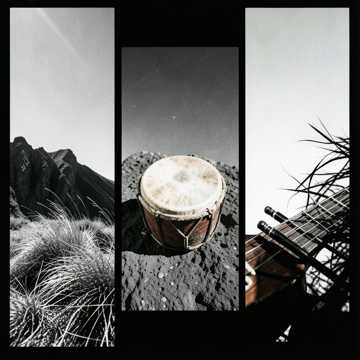
Cherokeeando por Canarias
Pieza instrumental de pulso tribal y espíritu festivo que conecta el folk-rock, la bachata y los paisajes sonoros de Canarias. Los tambores, la guitarra española, la armónica y los coros imaginarios crean una travesía rítmica, rústica y enérgica.
03:30
3 days ago
ddddddd
An upbeat, macabre satire contrasting everyday planning with the unavoidable cost of death. Acoustic guitar, harmonica, rhythmic vocals, and gospel-style backing create a deceptively cheerful setting for provocative imagery, presenting dark humor rather than practical advice.
03:16
Invalid date
asd
An upbeat, satirical folk song confronts death and funeral costs through exaggerated, shocking imagery. Its cheerful acoustic arrangement contrasts sharply with the grim subject matter, creating an unsettling blend of black humor, social commentary, and provocative theatricality.
03:22
Invalid date

asd
An upbeat, satirical folk song about planning for death and avoiding funeral expenses. Its catchy repetition and playful delivery contrast sharply with disturbing self-harm imagery, creating an unsettling black-comedy effect that should be presented with a clear safety warning rather than as practical advice.
02:58
Invalid date
เดี๋ยวมันก็ผ่านไป
บทเพลงให้กำลังใจคนทำงานและผู้ที่กำลังเผชิญความยากลำบาก ย้ำว่าปัญหาทุกอย่างจะค่อยๆ ผ่านไป หากยังจับมือกัน ก้าวต่อ และไม่ยอมแพ้ต่อชีวิต
04:02
3 days ago
dddddd
An upbeat, theatrical folk satire contrasts cheerful guitar and harmonica with grim reflections on death expenses. Its exaggerated ending uses shocking self-harm imagery to expose absurd attitudes toward mortality, functioning best as dark comedy and a caution against treating dangerous ideas lightly.
03:13
Invalid date
dddddd
An upbeat acoustic folk song that uses dark comedy to confront mortality and funeral expenses. Its cheerful guitar, harmonica, and female vocal delivery heighten the unsettling irony of a refrain built around avoiding the cost of dying.
03:22
Invalid date
dddddd
An upbeat yet grimly satirical folk song about planning for life while ignoring mortality. Its cheerful delivery contrasts sharply with an extreme and dangerous suggestion for avoiding funeral expenses, creating unsettling dark humor rather than practical advice.
02:52
Invalid date
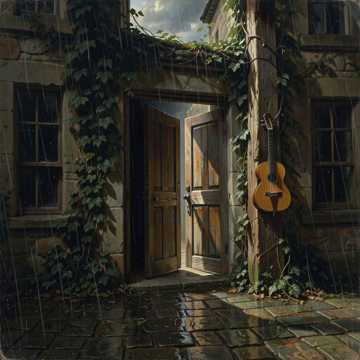
สัญญาหน้าฝน
เพลงโฟล์คเพื่อชีวิตถ่ายทอดความเจ็บปวดของชายหนุ่มที่ถูกลืมสัญญาในวันฝนพรำ แม้ต้องเผชิญกับเรือนหอที่ร้างลา แต่ในที่สุดเขาก็เรียนรู้ที่จะก้าวผ่านความช้ำ นึกถึงศักดิ์ศรีของตนเอง และพร้อมเปิดหัวใจเริ่มต้นใหม่ในฤดูฝนปีหน้า
04:53
3 days ago
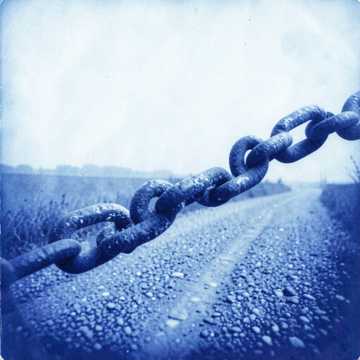
I’ll do the time
A condemned man accepts prison time rather than betray his brother. Through images of chains, family loyalty, a waiting lover, and a mother’s worry, the song becomes a weathered meditation on sacrifice, secrecy, honor, and the hope of walking out a better man.
02:59
3 days ago
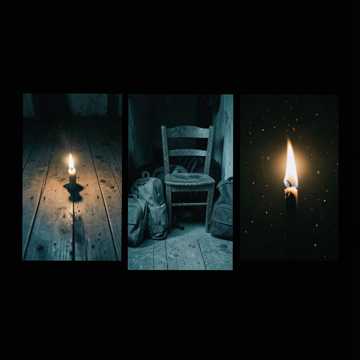
That Night
That Night remembers children sheltering from war under the care of a devoted teacher, then transforms their fear into a hopeful anthem about healing, resilience, shared dreams, and building a brighter future together.
07:10
4 days ago
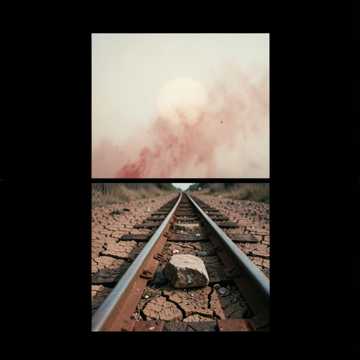
Mile Marker Nine
A drifter reaches mile marker nine, suspended between ruin and nowhere. Surrounded by red dust, dead tracks, and wide skies, he confronts addiction, broken promises, and the absence of redemption in a bleak, hypnotic country blues confession.
04:33
4 days ago
Introduction to the Harmonica: Definition and History
The harmonica, also known as a mouth organ or blues harp, is a small, hand-held wind instrument played by blowing air into or drawing air out of reeds using the mouth. Each reed is tuned to produce a different note. The harmonica has a rich history that dates back to ancient China, where a similar instrument called the 'Sheng' was used. The modern harmonica, however, was developed in Europe in the early 19th century. It gained popularity in America in the 20th century, particularly in the blues and folk music scenes. The harmonica's portability and unique sound made it a favorite among travelers and musicians alike. Over the decades, it has evolved from a simple folk instrument into a versatile tool used across various music genres, from blues and country to jazz and rock.
Sub-tags and Classifications of the Harmonica
Diatonic Harmonica
The diatonic harmonica is the most common type, typically used in blues, rock, country, and folk music. It is designed to play in a specific key and features a straightforward, simple design with ten holes, each containing a blow and draw reed. Musicians can bend notes by changing the air pressure, which allows for expressive playing and the distinctive 'wailing' sound characteristic of blues harmonica.
Chromatic Harmonica
The chromatic harmonica features a button-activated sliding bar that directs air to two separate reed plates, allowing the player to access all the notes of the chromatic scale. This makes it more versatile for playing jazz, classical music, and other styles that require a full range of notes. The chromatic harmonica is larger than the diatonic and can be more challenging to master due to its complex mechanics.
Tremolo Harmonica
The tremolo harmonica has pairs of reeds for each note, with one slightly sharp and the other slightly flat. This design creates a unique 'tremolo' effect, where the pitch fluctuates slightly, giving the music a warbling sound. Tremolo harmonicas are popular in folk music, particularly in Asia and Europe, and are often used in ensemble playing.
Octave Harmonica
The octave harmonica is similar to the tremolo harmonica but features reeds that are tuned one octave apart instead of slightly sharp and flat. This creates a fuller, richer sound and is commonly used in traditional and folk music settings. The octave harmonica's sound is robust and organ-like, making it suitable for melodies and accompaniment.
Bass Harmonica
The bass harmonica is a larger, lower-pitched instrument often used in ensemble settings to provide bass lines. It features a deeper, resonant sound and is not commonly used for solo performances but adds a unique layer to harmonica orchestras and harmonica ensembles.
Famous Harmonica Artists and Iconic Works
Little Walter
Little Walter was a pioneering blues harmonica player who brought the instrument to the forefront of Chicago blues music in the 1950s. His innovative use of amplification transformed the harmonica into a lead instrument. His representative works, such as 'Juke' and 'My Babe,' showcase his powerful playing style and creative use of the harmonica, influencing countless musicians who followed.
Juke by Little Walter
'Juke' is a classic blues harmonica instrumental that showcases Little Walter's virtuosic playing and innovative use of amplification. The song's driving rhythm and expressive bending techniques make it a quintessential piece in the blues harmonica repertoire. 'Juke' became a chart-topping hit and remains a benchmark for harmonica players.
Toots Thielemans
Toots Thielemans was a Belgian jazz musician widely regarded as one of the greatest harmonica players in history. Known for his smooth, lyrical style, Thielemans brought the harmonica into the jazz genre, collaborating with legends like Charlie Parker and Quincy Jones. His famous works include 'Bluesette,' a jazz standard that highlights his skillful harmonica playing and his ability to seamlessly integrate the instrument into a jazz ensemble.
Bluesette by Toots Thielemans
'Bluesette' is a jazz standard composed and performed by Toots Thielemans. The piece is notable for its use of the harmonica in a jazz context, combining swing rhythms with lyrical, melodic lines. 'Bluesette' has been covered by numerous artists and remains a favorite in jazz circles for its innovative use of the harmonica.
Stevie Wonder
Stevie Wonder, an American singer, songwriter, and multi-instrumentalist, has used the harmonica extensively in his music, adding a unique flavor to his compositions. Songs like 'Isn't She Lovely' and 'For Once in My Life' feature Wonder's distinctive harmonica solos, blending pop, soul, and blues influences. His contributions have helped popularize the harmonica in mainstream music.
Isn't She Lovely by Stevie Wonder
This iconic song features Stevie Wonder's harmonica playing, adding a bright, joyful layer to the music. The harmonica solo is both melodic and expressive, perfectly complementing Wonder's vocal performance. 'Isn't She Lovely' is an excellent example of how the harmonica can enhance pop music, providing a unique tonal quality that enriches the overall sound.
Sonny Boy Williamson II
Sonny Boy Williamson II, also known as Rice Miller, was a key figure in the blues harmonica tradition. His innovative playing and vocal style were influential in the development of modern blues. Notable works include 'Help Me' and 'Bring It On Home,' which demonstrate his unique phrasing and ability to convey deep emotion through the harmonica.
Application Scenarios for Harmonica Music
The harmonica is often used in movie soundtracks to evoke a sense of nostalgia, loneliness, or rural Americana. Its distinctive sound can add emotional depth to a scene, making it a popular choice in westerns, dramas, and independent films. For example, Ennio Morricone's use of the harmonica in 'Once Upon a Time in the West' creates a haunting, memorable motif that underpins the film's dramatic tension.
Movie Soundtracks
In advertising, the harmonica is frequently used to convey a sense of authenticity, simplicity, and down-to-earth charm. Its folksy, relatable sound can enhance commercials for products like cars, food, or outdoor gear, connecting with audiences on a personal level. The harmonica's ability to cut through other sounds makes it an excellent choice for memorable jingles and background music.
Advertising Music
Video game soundtracks often use harmonica music to set the mood or atmosphere, especially in games with western, rural, or post-apocalyptic themes. The harmonica's ability to evoke a sense of isolation or adventure makes it ideal for enhancing the player's immersive experience. Games like 'Red Dead Redemption' use harmonica music to transport players to the rugged landscapes of the American frontier.
Game Background Music
Harmonica music is a staple in live performances, from blues clubs to large music festivals. The harmonica's portability and ability to cut through other instruments make it a dynamic choice for solos and improvisations. Its versatility allows it to blend with various music genres, providing unique opportunities for collaboration between artists.
Live Performances