Free Harpsichord Music Generator Powered by AI
Turn text into high-quality Harpsichord music effortlessly – no login required!

music.toolTips
Moonlit Masquerade
A mischievous gothic ballroom waltz that moves between eerie elegance and playful intrigue. Clarinet leads the masquerade while cello, pizzicato strings, harpsichord, reversed bells, and creaking-floorboard accents create a polished nocturnal scene before a dramatic final lift.
02:59
18 minutes ago
Bone-Rattling Bash
A playful macabre waltz turns a haunted manor into a chaotic ballroom party. Specters, vampires, gargoyles, and living portraits dance amid comic mishaps, while the increasingly unhinged lord of the manor presides over the eerie celebration.
03:42
Invalid date
Clockwork Cantata
A polished retro-futurist instrumental that transforms clockwork precision into playful grandeur. Bright analog melodies and harpsichord-like pulses introduce the theme, while string counterpoint, crisp arpeggios, stereo details, and reverse swells build toward a broad, cinematic reprise.
03:14
4 hours ago
a
A direct, nocturnal trance track about two people choosing desire and honesty over hesitation. Its repeated plea for one more night turns private attraction into a determined, immersive dance-floor release.
04:54
6 hours ago
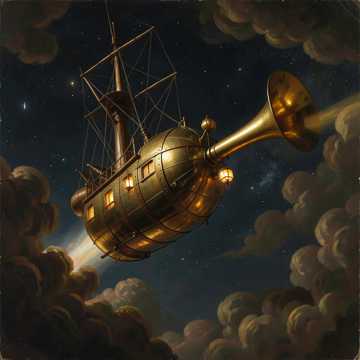
Дирижабль джазу 2
Енергійний космічний гімн про відрив від минулого й політ у невідоме на дирижаблі, який рухається джазом. Українсько-англійські куплети, агресивні духові, швидке банджо та електронний бас створюють атмосферу безмежної вечірки.
03:43
21 hours ago
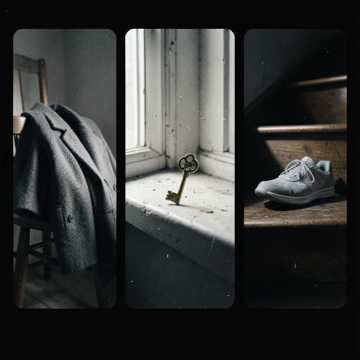
I Keep a Room
A narrator preserves an emotional room for a past relationship and the future it never reached. Through letters, keys, familiar sounds, and a remembered escape, the song balances grief with gratitude, transforming unresolved love into a soaring, defiant remembrance.
03:22
1 days ago
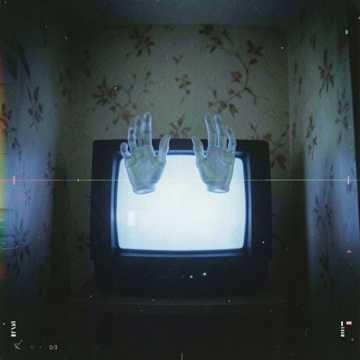
The Screen-Addicted Little
A savage, darkly comic theatrical fable about children consumed by screens, dopamine loops, and algorithmic control. Frantic clockwork rhythms, grotesque carnival orchestration, and manic vocals escalate toward a mechanical blackout, portraying digital dependence as a macabre modern nightmare.
03:07
2 days ago
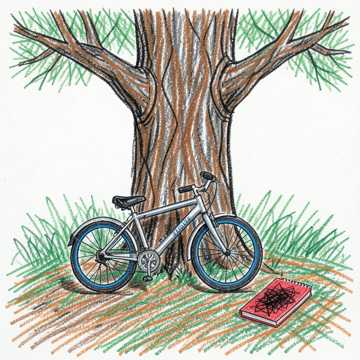
02_Il mistero alla Quercia Secolare
Un capitolo investigativo narrato accompagna Poirot e Hastings al controllo di una gara ciclistica. La favorita Evelyn Vance scompare lasciando una bicicletta immacolata accanto a una quercia secolare, rivelando un enigma costruito su indizi impossibili.
03:28
2 days ago
Test
An ominous castle boss theme shaped by dark minor-key harmonies, male vocals, sinister choral layers, martial drums, harpsichord, and escalating violins. Its grand crescendo evokes a final confrontation inside a cursed fortress.
03:05
2 days ago
Throne of Ashes
An instrumental confrontation theme built around tension, ritualistic percussion, trembling violins, and monumental choral release. Its slow-to-mid march evokes a ruined throne room, an ancient warlord, and the decisive final battle where ash, power, and fate collide.
03:16
2 days ago
dddddddd
A tender psychedelic pop reverie about staying indoors, ignoring obligations, and imagining a private day of play in the snow. Its innocent refrain gradually becomes dreamier and more wistful through orchestral swells, laughter, layered harmonies, and a key change.
05:05
Invalid date
ddddddd
A wistful psychedelic pop reverie about choosing stillness and imagination over the outside world. As snow begins to fall, two people preserve an intimate moment through play, secrecy, layered harmonies, and a gently surreal dream sequence.
05:27
Invalid date
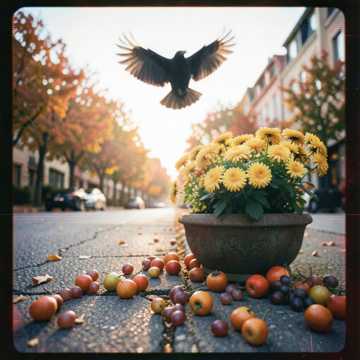
Світ не позує
Світла танцювальна пісня про уважність до осінніх деталей: сонця на склі, хурми, хризантем, ворон і винограду. Українські куплети та французький місток утверджують просту думку: світ не позує, а живе у кожній миті.
03:30
2 days ago
Midnight Ostinato
An instrumental32-bit-inspired battle theme that blends gothic vampire drama with relentless minor-key momentum. Pipe organ, virtuosic cello, harpsichord, chiptune layers, and forceful percussion create a secret-boss confrontation designed to loop seamlessly.
03:15
2 days ago
41
A darkly comic birthday song in which disappointed parents mock their41-year-old son's unfulfilled expectations. Its exaggerated cruelty is framed as campy horror, pairing theatrical vocals and spooky orchestration with a bouncy, memorable monster-movie melody.
02:23
3 days ago
F112
A vocal-free cinematic hip-hop piece built around a mournful piano theme. Bassoon and English horn deepen its grief, while crystalline harpsichord, harp, subtle handpan and warm electronic textures move from precise momentum into unresolved silence and a new lyrical passage.
03:05
3 days ago
F107
A vocal-free cinematic instrumental shaped by profound sadness. Lyrical piano themes move through unresolved pauses and renewed melodic passages, while bassoon, English horn, harp, harpsichord, warm pads, and subtle sub bass create an intimate, suspended emotional landscape.
03:04
3 days ago
Matchbook in My Heart
A narrator rejects a controlling, artificial spectacle symbolized by a crumbling carnival. Beneath its sugary imagery lies bitterness, disillusionment, and a growing refusal to perform. The final escape turns the matchbook into a symbol of private resolve and possible renewal.
03:33
3 days ago
Moonlit Xylophone Gate
A beatless, intimate instrumental shaped like a quiet nocturnal passage. Sparse acoustic guitar and xylophone introduce the piece, while harpsichord, cello, climbing countermelodies, reversed swells, and glassy chimes gradually widen its atmosphere before returning to a poised, peaceful refrain.
03:10
4 days ago
Celestial Mosaics
A beatless, drumless chamber composition that unfolds through interlocking wooden tones, delicate flute replies, acoustic plucks, and warm cello lines. Sparse passages gradually gain contrapuntal richness before rising into a poised, confident finale, evoking cool starlight, handcrafted mosaics, and quiet wonder.
03:25
4 days ago
Introduction to Harpsichord
The harpsichord is a stringed keyboard instrument that was widely used in European classical music from the 16th through the 18th centuries. Unlike the piano, where hammers strike the strings, the harpsichord produces sound by plucking the strings with quills. The instrument's origins date back to the Middle Ages, but it gained prominence during the Renaissance and Baroque periods, playing a central role in the music of composers such as Johann Sebastian Bach and George Frideric Handel. Its bright, resonant tone made it a staple in orchestral, chamber, and solo music until it was gradually replaced by the piano in the late 18th century.
Sub-tags and Classifications of Harpsichord
Flemish Harpsichord
Flemish harpsichords are known for their rich, warm tone and intricate decorative designs. Originating in the region of Flanders during the 16th and 17th centuries, these harpsichords were often adorned with elaborate paintings and marquetry. They typically have two keyboards (manuals) and a robust sound, making them suitable for both solo performances and ensemble settings.
Italian Harpsichord
Italian harpsichords are characterized by their lighter construction and brighter, more transparent sound. These instruments were popular in the 16th and 17th centuries, often featuring a single manual and a simpler design compared to their Flemish counterparts. The Italian harpsichord’s crisp articulation made it ideal for intricate, fast-paced music, which was prominent in Italian Baroque compositions.
French Harpsichord
French harpsichords, particularly those made in the 18th century, are noted for their elegance and versatility. These instruments often feature a double manual and a range of stops that allow for varied tonal colors. French harpsichords were central to the music of composers like François Couperin and Jean-Philippe Rameau, who wrote extensively for the instrument in both solo and ensemble contexts.
English Harpsichord
The English harpsichord, prominent in the 17th and 18th centuries, is known for its full, resonant sound and sturdy construction. These harpsichords often have a more restrained decorative style but are highly valued for their powerful tone, which suited the grandiose music of the English Baroque period, including works by composers like Henry Purcell.
Famous Artists and Works Related to Harpsichord
Johann Sebastian Bach
Johann Sebastian Bach is arguably the most famous composer associated with the harpsichord. His 'Goldberg Variations' and 'The Well-Tempered Clavier' are considered masterpieces of harpsichord literature, showcasing the instrument's range and expressive potential. Bach’s intricate counterpoint and harmonic innovations set a high standard for harpsichord music.
Goldberg Variations by Johann Sebastian Bach
The 'Goldberg Variations' are one of the most significant works in the harpsichord repertoire. Composed by Bach, this set of 30 variations is a tour de force of counterpoint and thematic development, pushing the harpsichord’s expressive capabilities to their limits. Each variation explores different technical aspects of the instrument, making it both a challenging and rewarding piece for performers.
Domenico Scarlatti
Domenico Scarlatti, an Italian composer, is renowned for his 555 keyboard sonatas, many of which were composed for the harpsichord. His works are characterized by their technical brilliance and rhythmic innovation, exploring the full capabilities of the harpsichord’s sound and texture.
Sonatas by Domenico Scarlatti
Domenico Scarlatti’s harpsichord sonatas are known for their virtuosic demands and innovative use of the instrument’s capabilities. Each sonata is a unique exploration of rhythm, melody, and harmony, often incorporating elements of Spanish folk music. Scarlatti’s sonatas remain a cornerstone of the harpsichord repertoire.
François Couperin
François Couperin, known as 'Couperin le Grand,' was a French Baroque composer and harpsichordist. His 'Pièces de Clavecin' (Pieces for Harpsichord) are a collection of highly expressive and ornamented works that demonstrate the elegance and nuanced tonal possibilities of the French harpsichord.
Pièces de Clavecin by François Couperin
Couperin’s 'Pièces de Clavecin' are a collection of harpsichord works that highlight the French style’s emphasis on ornamentation and expressive nuance. Each piece is intricately crafted, often with descriptive titles that suggest a specific mood or scene, allowing performers to explore the full range of the harpsichord’s tonal palette.
Jean-Philippe Rameau
Jean-Philippe Rameau was a pivotal figure in the French Baroque era, both as a composer and a music theorist. His harpsichord works, such as the 'Nouvelles Suites de Pièces de Clavecin,' are celebrated for their complexity and their ability to evoke a wide range of emotions, from the stately to the playful.
Nouvelles Suites de Pièces de Clavecin by Jean-Philippe Rameau
Rameau’s 'Nouvelles Suites de Pièces de Clavecin' are a masterful blend of technical brilliance and emotional depth. These suites showcase Rameau’s innovative approach to harmony and rhythm, making them a significant contribution to the harpsichord’s repertoire. The pieces are noted for their rich textures and dynamic contrasts.
Application Scenarios for Harpsichord Music
Harpsichord music is often used in movie soundtracks to evoke a historical or baroque atmosphere. Its distinctive sound can immediately transport listeners to the 17th or 18th century, making it ideal for period dramas or films set in the Renaissance or Baroque periods.
Movie Soundtracks
The bright and intricate sound of the harpsichord can add a touch of elegance and sophistication to advertising music. It is particularly effective in commercials that aim to evoke a sense of tradition, luxury, or refinement.
Advertising Music
In video games, harpsichord music is used to create a medieval or fantasy ambiance. Its clear, resonant tone can add depth to game environments, especially in settings that mimic historical Europe or fantastical realms inspired by it.
Video Game Background Music
Harpsichord is a staple in classical music concerts, especially in performances of Baroque music. Its use in concert settings allows audiences to experience the authentic sound of music from the 16th to 18th centuries, often in historically informed performances.
Classical Music Concerts