Free Harpsichord Music Generator Powered by AI
Turn text into high-quality Harpsichord music effortlessly – no login required!

music.toolTips
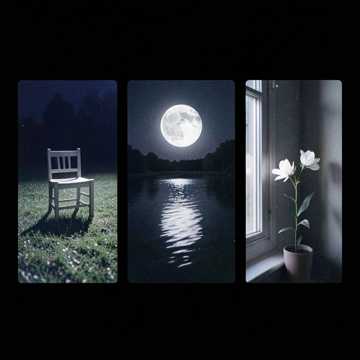
Moonlit Orbit
Moonlit Orbit unfolds as a delicate, drumless chamber piece with a pastoral folk spirit. Sparse guitar, flute, and celeste-like tones create quiet wonder, while harpsichord and cello deepen the middle section. Its calm, crystalline sound suits stargazing, reflection, intimate films, reading, and peaceful nighttime scenes.
03:04
4 days ago
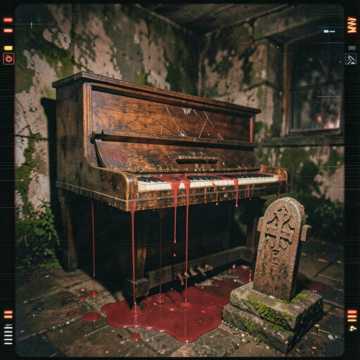
Blood rains
'Blood rains' is a dark, experimental trance track featuring haunting female vocals and harpsichord accents. The song explores apocalyptic despair, existential dread, and unholy wandering, creating a chilling, layered psychedelic atmosphere that immerses listeners in a surreal realm of tragedy and cosmic doom.
04:32
4 days ago
Blood rain
'Blood rain' is a dark experimental trance track driven by haunting female vocals and layered harpsichord tones. It explores apocalyptic themes of existential dread, plague, and lost faith, taking listeners on a hypnotic, dark journey toward the shadow of destruction.
04:39
4 days ago
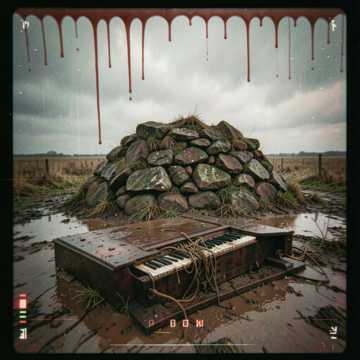
Blood rains.
'Blood rains.' is a dark, existential anthem featuring haunting female vocals set against experimental, psychedelic layered harpsichord instrumentation. The song explores apocalyptic themes of decay, spiritual nihilism, and inescapable doom, taking listeners on an unsettling sonic journey through the shadows of destruction and beyond the grave.
03:44
4 days ago
Silver Fugue
'Silver Fugue' is an ornate Baroque instrumental driven by a brisk allegro pulse. Blending Bach-inspired counterpoint with lively harpsichord runs and elegant string interplay, the composition cycles through intricate imitative lines and dramatic swells, offering a sophisticated, chamber-clear listening experience.
02:48
Invalid date
Eldritch Side of Me
'Eldritch Side of Me' is an unsettling experimental track fusing brittle baroque harpsichord with grinding industrial textures. Featuring a singular, ominously intimate vocal phrase, it weaves dissonant tape bends and metallic percussion into a haunting, unstable sonic exploration of inner darkness and cosmic dread.
01:14
4 days ago
F97
'F97' is a cinematic European melodic hip-hop instrumental in D minor, blending mournful piano, double reeds, harp, and crisp electronic percussion. Featuring fast-paced rap rhythms alongside deep sadness, it navigates abrupt dynamic transitions to deliver an evocative, modern sonic journey.
03:02
4 days ago
Der RAM und der Trabbi
Das Lied verbindet digitale Metaphern mit existenzieller Gesellschaftskritik. RAM, Ego und Refresh stehen für die endlose Konstruktion unserer Wirklichkeit, während der Trabbi Verletzlichkeit und Begrenzung verkörpert. Hoffnung entsteht durch einen unerwarteten Entschluss, der alte Energieflüsse kappt und Wahrnehmung nachhaltig verändert.
05:29
4 days ago
Der Wetterbericht
'Der Wetterbericht' hinterfragt kritisch die Glaubwürdigkeit moderner Medien. Während politische Narrative abstrakt bleiben, bietet nur das Wetter greifbare, überprüfbare Realität. Musikalisch verschmelzen kühne Ska-Dub-Grooves, barocke Harpsichord-Klänge und rohe Punk-Akzente zu einer theatralischen Klanglandschaft voller gesellschaftskritischer Tiefe.
05:11
4 days ago
Der Drucker im Körper
Das Lied verwandelt psychischen Dauerstress in das Bild eines unaufhaltsamen Druckers im Körper. Zwischen Nachrichtenangst, Einsamkeit und körperlicher Anspannung führt es über Bewegung, menschliche Nähe und sinnliche Gegenwart zu einer hoffnungsvollen Unterbrechung des inneren Alarmzustands.
05:33
4 days ago
Mit Vorsicht genießen
Der Song hinterfragt, was tägliche Kriegsberichterstattung tatsächlich hinterlässt. Zwischen Sofa, Abendbrot und Nachrichtenstrom entlarvt er strategische Erfolgsmeldungen als konsumierbare Literatur. Dub, Ska, Punk und barocke Klangfarben verstärken die satirische, nachdenkliche Warnung vor passivem Medienkonsum und geliehener Gewissheit.
04:52
4 days ago
Die Lüge als Samen
Das Lied untersucht Lügen als Keime gesellschaftlicher Zerstörung. Zwischen Skepsis, Kriegsbildern und moralischer Beobachtung fordert es dazu auf, Behauptungen zu prüfen, Unsicherheit ehrlich auszuhalten und zerstörerische Ideologien nicht im eigenen Denken Wurzeln schlagen zu lassen.
05:20
4 days ago
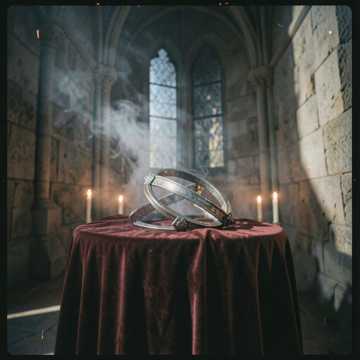
Fallen Halo Waltz
A slow, corrupted waltz portraying a fallen angel through suspended strings, pipe organ, harpsichord, funeral brass, cathedral reverb, and wordless female vocal layers. Its elegant main theme feels both regal and venomous, making it suited to dark fantasy, gothic cinema, supernatural games, and dramatic storytelling.
03:28
4 days ago
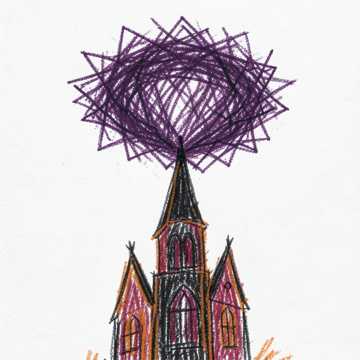
Ashen Halo
Ashen Halo unfolds as a ritualistic gothic procession through cathedral shadows. Its fractured music-box opening, organ drones, tremolo strings, brass stabs, and sub-bass build toward a cruel waltz climax, evoking a fallen angel suspended between sacred grandeur, vampiric seduction, and ominous supernatural power.
03:35
4 days ago
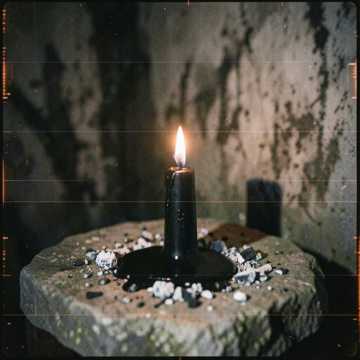
Candle of Ashes
An instrumental gothic procession that evokes a fallen angel wandering through a ruined cathedral. Solemn choral voices, harpsichord tension, bowed bass, reversed bells, and jagged choir accents build toward a grand half-time motif, balancing grief, menace, and sacred theatricality.
03:30
4 days ago
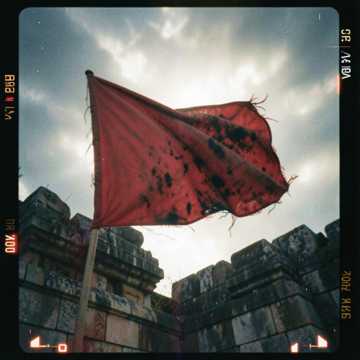
PER NOCTEM — AD LUCE 3 2M!
A mystical battle hymn blending rock opera, dark baroque disco, and Italo-disco. Powerful female vocals summon paladins, dragons, griffins, and ancient magic, while Latin chants and a Ukrainian bridge transform the track into a ritualistic, danceable anthem of courage, unity, and victory over darkness.
04:43
4 days ago
PER NOCTEM — AD LUCE 2M!
A triumphant fantasy quest through enchanted cities, ancient gates, dragons, and mythical armies. Its mysterious temple atmosphere gradually erupts into elegant 1980s-inspired Italo-disco, driven by a charismatic female vocal, ritual choir, baroque instrumentation, and the recurring promise of moving from darkness into light.
04:35
4 days ago
PER NOCTEM — AD LUCEM!
A charismatic female-led anthem of magical warfare and fearless adventure. Paladins, griffins, dragons, and manticores march beneath ancient banners as Baroque instrumentation, temple chants, disco bass, and cinematic strings build from mysterious darkness toward triumphant light.
04:22
5 days ago
Às seis horas, é ainda o coração que pensa (Sechs Uhr morgens)
Ao amanhecer, o coração responde antes da mente: seguir o que nos torna vivos e unir alegria pessoal às necessidades do mundo. Entre dub, ska, barroco e punk, a canção transforma empatia, propósito e legado numa luminosa declaração de presença.
05:52
5 days ago
छह बजे, अभी दिल सोचता है (Sechs Uhr morgens)
यह गीत सुबह छह बजे के शांत क्षणों में जन्मे आत्मबोध को स्वर देता है। यह कर्तव्य से नहीं, जीवन्तता और करुणा से चलने का आग्रह करता है। डब की गहराई, बारोक अलंकरण और punk ऊर्जा मिलकर दिल पर भरोसा करने तथा दूसरों में अपनी रोशनी जारी रखने का संदेश रचते हैं।
05:28
5 days ago
Introduction to Harpsichord
The harpsichord is a stringed keyboard instrument that was widely used in European classical music from the 16th through the 18th centuries. Unlike the piano, where hammers strike the strings, the harpsichord produces sound by plucking the strings with quills. The instrument's origins date back to the Middle Ages, but it gained prominence during the Renaissance and Baroque periods, playing a central role in the music of composers such as Johann Sebastian Bach and George Frideric Handel. Its bright, resonant tone made it a staple in orchestral, chamber, and solo music until it was gradually replaced by the piano in the late 18th century.
Sub-tags and Classifications of Harpsichord
Flemish Harpsichord
Flemish harpsichords are known for their rich, warm tone and intricate decorative designs. Originating in the region of Flanders during the 16th and 17th centuries, these harpsichords were often adorned with elaborate paintings and marquetry. They typically have two keyboards (manuals) and a robust sound, making them suitable for both solo performances and ensemble settings.
Italian Harpsichord
Italian harpsichords are characterized by their lighter construction and brighter, more transparent sound. These instruments were popular in the 16th and 17th centuries, often featuring a single manual and a simpler design compared to their Flemish counterparts. The Italian harpsichord’s crisp articulation made it ideal for intricate, fast-paced music, which was prominent in Italian Baroque compositions.
French Harpsichord
French harpsichords, particularly those made in the 18th century, are noted for their elegance and versatility. These instruments often feature a double manual and a range of stops that allow for varied tonal colors. French harpsichords were central to the music of composers like François Couperin and Jean-Philippe Rameau, who wrote extensively for the instrument in both solo and ensemble contexts.
English Harpsichord
The English harpsichord, prominent in the 17th and 18th centuries, is known for its full, resonant sound and sturdy construction. These harpsichords often have a more restrained decorative style but are highly valued for their powerful tone, which suited the grandiose music of the English Baroque period, including works by composers like Henry Purcell.
Famous Artists and Works Related to Harpsichord
Johann Sebastian Bach
Johann Sebastian Bach is arguably the most famous composer associated with the harpsichord. His 'Goldberg Variations' and 'The Well-Tempered Clavier' are considered masterpieces of harpsichord literature, showcasing the instrument's range and expressive potential. Bach’s intricate counterpoint and harmonic innovations set a high standard for harpsichord music.
Goldberg Variations by Johann Sebastian Bach
The 'Goldberg Variations' are one of the most significant works in the harpsichord repertoire. Composed by Bach, this set of 30 variations is a tour de force of counterpoint and thematic development, pushing the harpsichord’s expressive capabilities to their limits. Each variation explores different technical aspects of the instrument, making it both a challenging and rewarding piece for performers.
Domenico Scarlatti
Domenico Scarlatti, an Italian composer, is renowned for his 555 keyboard sonatas, many of which were composed for the harpsichord. His works are characterized by their technical brilliance and rhythmic innovation, exploring the full capabilities of the harpsichord’s sound and texture.
Sonatas by Domenico Scarlatti
Domenico Scarlatti’s harpsichord sonatas are known for their virtuosic demands and innovative use of the instrument’s capabilities. Each sonata is a unique exploration of rhythm, melody, and harmony, often incorporating elements of Spanish folk music. Scarlatti’s sonatas remain a cornerstone of the harpsichord repertoire.
François Couperin
François Couperin, known as 'Couperin le Grand,' was a French Baroque composer and harpsichordist. His 'Pièces de Clavecin' (Pieces for Harpsichord) are a collection of highly expressive and ornamented works that demonstrate the elegance and nuanced tonal possibilities of the French harpsichord.
Pièces de Clavecin by François Couperin
Couperin’s 'Pièces de Clavecin' are a collection of harpsichord works that highlight the French style’s emphasis on ornamentation and expressive nuance. Each piece is intricately crafted, often with descriptive titles that suggest a specific mood or scene, allowing performers to explore the full range of the harpsichord’s tonal palette.
Jean-Philippe Rameau
Jean-Philippe Rameau was a pivotal figure in the French Baroque era, both as a composer and a music theorist. His harpsichord works, such as the 'Nouvelles Suites de Pièces de Clavecin,' are celebrated for their complexity and their ability to evoke a wide range of emotions, from the stately to the playful.
Nouvelles Suites de Pièces de Clavecin by Jean-Philippe Rameau
Rameau’s 'Nouvelles Suites de Pièces de Clavecin' are a masterful blend of technical brilliance and emotional depth. These suites showcase Rameau’s innovative approach to harmony and rhythm, making them a significant contribution to the harpsichord’s repertoire. The pieces are noted for their rich textures and dynamic contrasts.
Application Scenarios for Harpsichord Music
Harpsichord music is often used in movie soundtracks to evoke a historical or baroque atmosphere. Its distinctive sound can immediately transport listeners to the 17th or 18th century, making it ideal for period dramas or films set in the Renaissance or Baroque periods.
Movie Soundtracks
The bright and intricate sound of the harpsichord can add a touch of elegance and sophistication to advertising music. It is particularly effective in commercials that aim to evoke a sense of tradition, luxury, or refinement.
Advertising Music
In video games, harpsichord music is used to create a medieval or fantasy ambiance. Its clear, resonant tone can add depth to game environments, especially in settings that mimic historical Europe or fantastical realms inspired by it.
Video Game Background Music
Harpsichord is a staple in classical music concerts, especially in performances of Baroque music. Its use in concert settings allows audiences to experience the authentic sound of music from the 16th to 18th centuries, often in historically informed performances.
Classical Music Concerts