Free Harpsichord Music Generator Powered by AI
Turn text into high-quality Harpsichord music effortlessly – no login required!

music.toolTips
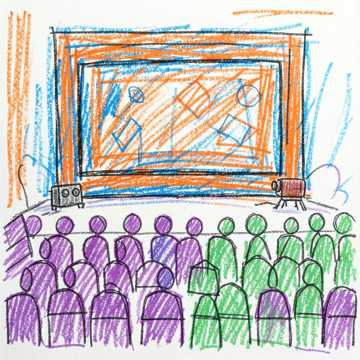
「シネマの夜」 (Die Kinonacht)
嘲笑された少年がAI映画で語学を学び、やがて問題地区の生徒を導く教師となる。時を経て、かつての嘲笑者たちも学びの場へ戻り、映画と驚きが世代をつなぐ再生の物語。
07:16
5 days ago
شب سینما (Die Kinonacht)
این ترانه داستان پسری خلاق را دنبال میکند که با فیلمهای هوش مصنوعی زبان میآموزد، سپس همین شیوه را در محلهای دشوار به کار میگیرد و سرانجام تمسخرکنندگان گذشته را به شگفتی، یادگیری و افتخار میرساند.
07:10
5 days ago

Киноночь (Die Kinonacht)
Песня рассказывает о тихом ученике, превратившем изучение языков в кино-приключение, а затем — о наставнике, который помогает подросткам поверить в себя. Бывшие насмешники возвращаются уже взрослыми, чтобы стать хранителями этой идеи для собственных детей.
07:18
5 days ago
Die Kinonacht
Ein stiller Schüler entdeckt mit KI-Filmen eine ungewöhnliche Lernmethode. Jahre später verwandelt ein Lehrer dieselbe Idee in eine Kinonacht für Jugendliche. Aus Spott werden Staunen, bessere Noten und Stolz, bis die einstigen Spötter als Erwachsene zurückkehren.
07:19
5 days ago

Die Kinonacht
Die Geschichte folgt einem Schüler, der mit KI-Filmen Vokabeln lernt, später selbst benachteiligte Jugendliche erreicht und schließlich den einstigen Spöttern begegnet. Aus Hohn entstehen Staunen, bessere Noten, Würde und eine generationenübergreifende Kinonacht des Lernens.
07:07
5 days ago
Der Vokal-Abenteuerfilm
Max verwandelt seine Vokabellisten mithilfe einer KI in spannende Abenteuerfilme. Trotz Spott und schlaflosen Nächten verbessert sich die ganze Klasse. Der humorvolle Song feiert kreative Lernmethoden, gemeinschaftliche Motivation und die Idee, dass Bildung durch Musik, Geschichten und digitale Werkzeuge zum Abenteuer werden kann.
04:53
5 days ago
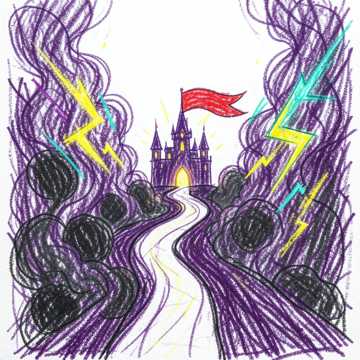
Треті Герої: Шлях
Пісня змальовує героїчний похід крізь магічний світ, де мантикори, наги, джини й титани ведуть слухача до вирішальної битви. Пульсуюча електроніка, жіночий вокаліз, клавесин і електрична віолончель поєднують таємничість, напругу й стриманий тріумф.
04:45
5 days ago
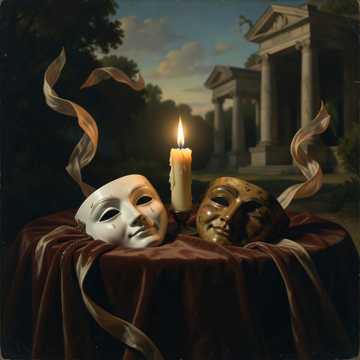
Il Gioco di Ruolo (Das Rollenspiel)
Due persone usano un gioco di ruolo per celare sentimenti autentici, ma le parole finiscono per tradirle. Tra paura, desiderio e ironia, il dialogo diventa un ponte verso un possibile appuntamento e una conoscenza senza maschere.
05:02
5 days ago
Il Luogo (der Ort)
Una meditazione musicale sulla vocazione: il luogo autentico nasce quando la gioia personale incontra la sofferenza del mondo. Con immagini di reti, abbracci e comunità, il brano trasforma il dono in relazione, mostrando che agire per gli altri significa trovare casa e appartenenza.
05:00
5 days ago
المكان (der Ort)
تدعو الأغنية إلى اكتشاف النداء الإلهي في نقطة التقاء الفرح الشخصي بمعاناة الآخرين، مؤكدة أن التعاطف الحقيقي يتحول إلى فعل، وحل للمشكلات، وشراكة إنسانية تجعل العطاء اتصالًا لا تضحية.
06:12
5 days ago
لعبة الأدوار (Das Rollenspiel)
حوار غنائي بين شخصين يختبئان خلف الأدوار والكلمات، ثم يكتشفان أن التظاهر كشف مشاعرهما الحقيقية. تتصاعد اللعبة من الحذر والشك إلى الاعتراف والرغبة في اللقاء، وسط أجواء تشيل آوت ودَب وسكا باروكي مزينة بآلات شرقية وآسيوية.
06:43
5 days ago
वह जगह (der Ort)
यह गीत उस अदृश्य स्थान को बुलाहट कहता है जहाँ गहरी व्यक्तिगत खुशी और दुनिया की पीड़ा मिलती हैं। करुणा को केवल भावना नहीं, बल्कि समस्याएँ सुलझाने, लोगों को उठाने और साझा जीवन रचने वाले सक्रिय कर्म के रूप में प्रस्तुत किया गया है।
06:38
5 days ago
भूमिका-खेल (Das Rollenspiel)
यह द्विस्वरीय गीत भूमिका और मुखौटों के माध्यम से उभरते प्रेम की कहानी कहता है। संवाद, झिझक और मौन के बीच दोनों पात्र अपने अहंकार से आगे बढ़कर सच्ची निकटता, डेट और साथ चलने का वादा खोजते हैं।
05:59
5 days ago
角色扮演 (Das Rollenspiel)
歌曲以双声部对话呈现一场暧昧的情感游戏:两人借角色与话语隐藏脆弱,又在试探、误解和真心中逐渐卸下面具,最终约定一起散步,开启真实关系。
05:28
5 days ago
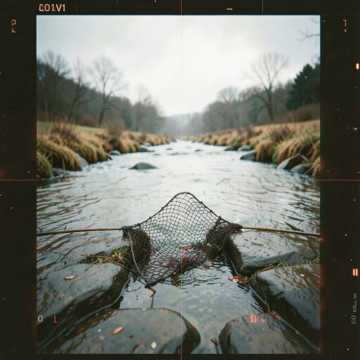
那个地方 (der Ort)
歌曲描绘喜悦与世界需要相遇的呼召之地,鼓励人从旁观走向行动,在援助、共享与共同体中减轻忧虑。轻松的斯卡律动、Dub低音、巴洛克弦乐与中日传统音色,共同营造温暖而富有张力的灵性旅程。
05:37
5 days ago
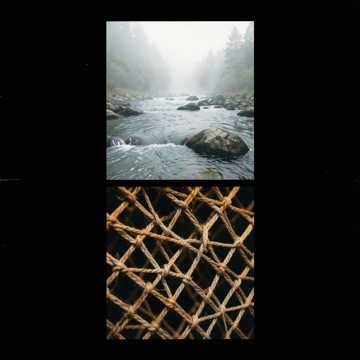
「その場所」(der Ort)
自分の最も深い喜びが、世界の満たされない飢えを癒やす場所こそ召しであると歌う。与えることを犠牲ではなく、他者と結ばれ、共に生きる喜びとして描いた希望の歌。
05:03
5 days ago
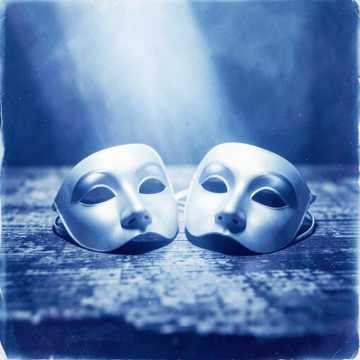
「ロールプレイ」(Das Rollenspiel)
二人は役割と言葉遊びを通して、互いへの警戒と秘めた感情を少しずつ明かしていく。冷淡さや沈黙という仮面の奥で、危うい優しさと恋の予感が育ち、最後には仮面を外して同じ未来へ歩み始める。
05:59
5 days ago
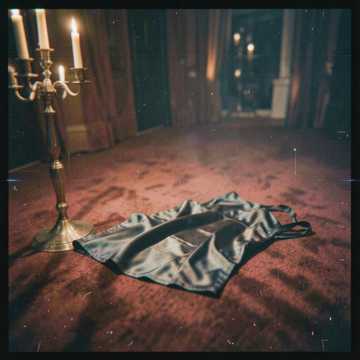
역할 놀이 (Das Rollenspiel)
역할과 가면을 빌려 감정을 숨기던 두 사람이 대화와 침묵 속에서 서로의 진심을 발견한다. 차가운 방어는 설렘으로 변하고, 마지막에는 함께 걷고 싶다는 약속과 관계의 시작이 조용히 남는다.
05:06
5 days ago

역할 놀이 (Das Rollenspiel)
두 곡은 역할 놀이 속에서 사랑과 진심을 발견하는 과정, 그리고 개인의 기쁨과 세상의 필요가 만나는 소명을 노래한다. 덥과 스카의 여유로운 리듬 위에 바로크와 동양적 음색이 친밀함, 긴장, 연대의 정서를 펼친다.
07:18
5 days ago
그 자리 (der Platz)
이 노래는 하나님이 부르시는 자리를 개인의 가장 깊은 기쁨과 세상의 채워지지 않는 필요가 만나는 곳으로 묘사한다. 외면 대신 행동과 돌봄을 선택할 때, 나눔은 관계와 공동체를 만들고 결국 우리 모두를 들어 올린다고 노래한다.
05:12
5 days ago
Introduction to Harpsichord
The harpsichord is a stringed keyboard instrument that was widely used in European classical music from the 16th through the 18th centuries. Unlike the piano, where hammers strike the strings, the harpsichord produces sound by plucking the strings with quills. The instrument's origins date back to the Middle Ages, but it gained prominence during the Renaissance and Baroque periods, playing a central role in the music of composers such as Johann Sebastian Bach and George Frideric Handel. Its bright, resonant tone made it a staple in orchestral, chamber, and solo music until it was gradually replaced by the piano in the late 18th century.
Sub-tags and Classifications of Harpsichord
Flemish Harpsichord
Flemish harpsichords are known for their rich, warm tone and intricate decorative designs. Originating in the region of Flanders during the 16th and 17th centuries, these harpsichords were often adorned with elaborate paintings and marquetry. They typically have two keyboards (manuals) and a robust sound, making them suitable for both solo performances and ensemble settings.
Italian Harpsichord
Italian harpsichords are characterized by their lighter construction and brighter, more transparent sound. These instruments were popular in the 16th and 17th centuries, often featuring a single manual and a simpler design compared to their Flemish counterparts. The Italian harpsichord’s crisp articulation made it ideal for intricate, fast-paced music, which was prominent in Italian Baroque compositions.
French Harpsichord
French harpsichords, particularly those made in the 18th century, are noted for their elegance and versatility. These instruments often feature a double manual and a range of stops that allow for varied tonal colors. French harpsichords were central to the music of composers like François Couperin and Jean-Philippe Rameau, who wrote extensively for the instrument in both solo and ensemble contexts.
English Harpsichord
The English harpsichord, prominent in the 17th and 18th centuries, is known for its full, resonant sound and sturdy construction. These harpsichords often have a more restrained decorative style but are highly valued for their powerful tone, which suited the grandiose music of the English Baroque period, including works by composers like Henry Purcell.
Famous Artists and Works Related to Harpsichord
Johann Sebastian Bach
Johann Sebastian Bach is arguably the most famous composer associated with the harpsichord. His 'Goldberg Variations' and 'The Well-Tempered Clavier' are considered masterpieces of harpsichord literature, showcasing the instrument's range and expressive potential. Bach’s intricate counterpoint and harmonic innovations set a high standard for harpsichord music.
Goldberg Variations by Johann Sebastian Bach
The 'Goldberg Variations' are one of the most significant works in the harpsichord repertoire. Composed by Bach, this set of 30 variations is a tour de force of counterpoint and thematic development, pushing the harpsichord’s expressive capabilities to their limits. Each variation explores different technical aspects of the instrument, making it both a challenging and rewarding piece for performers.
Domenico Scarlatti
Domenico Scarlatti, an Italian composer, is renowned for his 555 keyboard sonatas, many of which were composed for the harpsichord. His works are characterized by their technical brilliance and rhythmic innovation, exploring the full capabilities of the harpsichord’s sound and texture.
Sonatas by Domenico Scarlatti
Domenico Scarlatti’s harpsichord sonatas are known for their virtuosic demands and innovative use of the instrument’s capabilities. Each sonata is a unique exploration of rhythm, melody, and harmony, often incorporating elements of Spanish folk music. Scarlatti’s sonatas remain a cornerstone of the harpsichord repertoire.
François Couperin
François Couperin, known as 'Couperin le Grand,' was a French Baroque composer and harpsichordist. His 'Pièces de Clavecin' (Pieces for Harpsichord) are a collection of highly expressive and ornamented works that demonstrate the elegance and nuanced tonal possibilities of the French harpsichord.
Pièces de Clavecin by François Couperin
Couperin’s 'Pièces de Clavecin' are a collection of harpsichord works that highlight the French style’s emphasis on ornamentation and expressive nuance. Each piece is intricately crafted, often with descriptive titles that suggest a specific mood or scene, allowing performers to explore the full range of the harpsichord’s tonal palette.
Jean-Philippe Rameau
Jean-Philippe Rameau was a pivotal figure in the French Baroque era, both as a composer and a music theorist. His harpsichord works, such as the 'Nouvelles Suites de Pièces de Clavecin,' are celebrated for their complexity and their ability to evoke a wide range of emotions, from the stately to the playful.
Nouvelles Suites de Pièces de Clavecin by Jean-Philippe Rameau
Rameau’s 'Nouvelles Suites de Pièces de Clavecin' are a masterful blend of technical brilliance and emotional depth. These suites showcase Rameau’s innovative approach to harmony and rhythm, making them a significant contribution to the harpsichord’s repertoire. The pieces are noted for their rich textures and dynamic contrasts.
Application Scenarios for Harpsichord Music
Harpsichord music is often used in movie soundtracks to evoke a historical or baroque atmosphere. Its distinctive sound can immediately transport listeners to the 17th or 18th century, making it ideal for period dramas or films set in the Renaissance or Baroque periods.
Movie Soundtracks
The bright and intricate sound of the harpsichord can add a touch of elegance and sophistication to advertising music. It is particularly effective in commercials that aim to evoke a sense of tradition, luxury, or refinement.
Advertising Music
In video games, harpsichord music is used to create a medieval or fantasy ambiance. Its clear, resonant tone can add depth to game environments, especially in settings that mimic historical Europe or fantastical realms inspired by it.
Video Game Background Music
Harpsichord is a staple in classical music concerts, especially in performances of Baroque music. Its use in concert settings allows audiences to experience the authentic sound of music from the 16th to 18th centuries, often in historically informed performances.
Classical Music Concerts