Free Harpsichord Music Generator Powered by AI
Turn text into high-quality Harpsichord music effortlessly – no login required!

music.toolTips
В шесть часов мыслит ещё чувство (Sechs Uhr morgens)
Утренняя композиция призывает доверять чувству прежде рассудка, превращать личную живость в заботу о других и отвечать на чужую боль близостью. Музыкально она соединяет дабовый грув, барочную изысканность, ска-ритм и драматическую энергию панк-рок-оперы.
04:47
5 days ago
ساعت شش، هنوز احساس فکر میکند (Sechs Uhr morgens)
این ترانه در ساعت شش صبح، احساس را پیش از استدلال بیدار میکند و شنونده را به دنبالکردن نیروی زندگیبخش، شادی مشترک و همدلی با رنج دیگران فرامیخواند؛ سرودی برای بیداری، نزدیکی و ادامهیافتن معنا در نسلهای آینده.
06:15
5 days ago
「六時にはまだ心が考える」 (Sechs Uhr morgens)
六時の静かな街を舞台に、頭より先に心を信じ、他者の苦しみに応答して生きる意味を歌う。ダブ、スカ、バロック、パンク・オペラが、内省から行動への目覚めを鮮やかに描く。
05:20
5 days ago

في السادسة، ما زال القلب يفكر (Sechs Uhr morgens)
تلتقط الأغنية لحظة السادسة صباحًا، حين يسبق الشعورُ العقلَ إلى اكتشاف معنى الحياة. إنها دعوة لاختيار ما يمنحنا الحيوية، والاقتراب من ألم الآخرين، وتحويل السعادة الشخصية إلى طاقة نافعة تستمر في الأجيال.
05:15
5 days ago
「여섯 시에는 아직 마음이 생각한다」 (Sechs Uhr morgens)
새벽의 내면적 각성에서 출발해, 의무가 아닌 생명력과 연대의 방향을 찾는 노래다. 자신의 기쁨을 세상의 필요와 연결하고, 마음을 나누는 일이 결국 삶으로 돌아오는 길임을 노래한다.
05:27
5 days ago

Organic Chemistry Clear to Me
An upbeat educational anthem that transforms IGCSE organic chemistry into a memorable musical journey, covering carbon bonding, hydrocarbon families, combustion, fermentation, oxidation, esterification, hydration, cracking, and polymerisation through vivid hooks and energetic genre shifts.
03:54
5 days ago
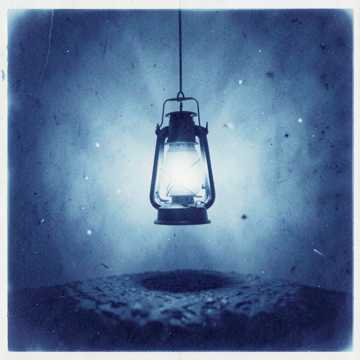
Sechs Uhr denkt noch mit dem Gefühl
Das Lied verbindet einen frühen Morgenmoment mit einer ethischen Entscheidung: Nicht Pflicht oder Gleichgültigkeit sollen den Weg bestimmen, sondern Lebendigkeit, Zuwendung und gemeinsames Glück. Die Musik übersetzt diese Botschaft in eine spannungsreiche Mischung aus Dub, Ska, Barockfarben und Punk-Oper.
05:08
5 days ago
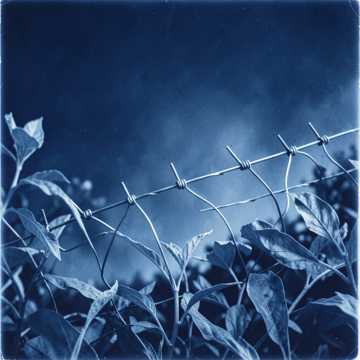
Jabberwocky in Red
A watchful, enigmatic figure moves between garden, market, and moonlit solitude. Through red and green imagery, the song portrays quiet intelligence, disciplined observation, and uncanny foresight, using a measured industrial groove and haunted harpsichord to transform an abstract creature into a precise, self-contained presence.
03:03
5 days ago
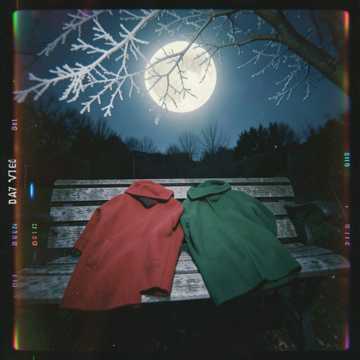
Jabberwocky Behind the Moon
A watchful Jabberwocky cultivates hidden green beneath the moon, moving with patience, secrecy, and uncanny insight. Psychedelic trance production turns the character into a symbol of quiet control, seasonal wisdom, concealed intentions, and the unsettling feeling of being constantly observed.
04:48
5 days ago
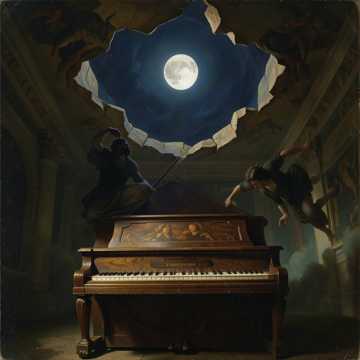
The Eyes Are Wrong
A doppelgänger crosses a portal behind the moon and gradually replaces the narrator. Through hypnotic dance, distorted reflection, and collapsing identity, the song transforms psychological unease into an eerie ritual of surrender, ending with the returned figure wearing the narrator’s bones.
04:30
5 days ago
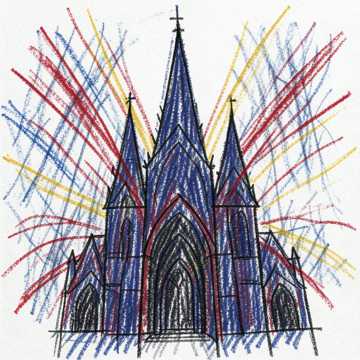
Gotham Cathedral March
A majestic gothic orchestral march that evolves from intimate harpsichord, bassoon, and cello figures into monumental brass, strings, timpani, and organ. Its brooding minor-key counterpoint, solemn ceremony, dramatic contrasts, and hopeful final resolution evoke a cathedral rising above a shadowed city.
03:05
5 days ago
「背中に」 (Im Rücken)
誰かに必要とされる喜びを軸に、支えられる側から支える側へ、そして再び支えられる側へ戻る人生の循環を描く。家族愛と静かな献身が、世代を超えて背中に残り続ける。
05:32
5 days ago
在背后 (Im Rücken)
歌曲以在背后默默守护为核心,从爱人与父母延伸至孩子、孙辈与晚年,歌颂被需要的幸福,以及爱超越身份、姓名与时间的永恒力量。
05:23
5 days ago
पीठ पर (Im Rücken)
यह गीत प्रेम को सहारा देने और सहारा पाने की पीढ़ी-दर-पीढ़ी चलने वाली यात्रा मानता है। साथी से बच्चों और पोते-पोतियों तक, अंततः वही हाथ गायक की पीठ थामते हैं। गीत बताता है कि किसी के लिए आवश्यक होना जीवन की सबसे कोमल खुशी है।
06:06
5 days ago
「등 뒤에서」 (Im Rücken)
등 뒤에서 조용히 지지해 준 사랑이 부모와 조부모의 돌봄으로 이어지고, 마침내 자신이 도움을 받는 순간으로 돌아오는 삶의 순환을 노래한다. 신과 가족, 사랑의 경계를 넘어 있는 그대로 필요로 한다는 행복을 담은 세대 초월의 헌사다.
05:52
5 days ago
در پشت (Im Rücken)
در پشت روایتی آرام و عمیق از عشق در گذر نسلهاست؛ از یافتن تکیهگاهی در جوانی تا پشتیبانی از فرزندان و نوهها، و سرانجام پذیرفتن نیاز خود به دیگران. ترانه، مورد نیاز بودن را نابترین شکل خوشبختی و عشق میداند.
06:22
5 days ago
На спине (Im Rücken)
Песня прослеживает путь любви через поколения: от поддержки между возлюбленными к заботе о детях и внуках, а затем к собственной уязвимости в старости. Главная мысль — настоящее счастье заключается в взаимной нужности и тихом присутствии рядом.
05:32
5 days ago
Im Rücken
Das Lied erzählt von einer Liebe, die unsichtbar begleitet: zuerst als Halt, später in Kindern und Enkeln und schließlich als Fürsorge im Alter. Zwischen Glauben, Familie und Partnerschaft wird Gebrauchtwerden zum innigsten Ausdruck von Liebe, getragen von einer ungewöhnlichen, dramatisch-spacious Klangwelt.
05:38
5 days ago
电影院之夜 (Die Kinonacht)
歌曲以男孩借助AI电影学习德语为起点,描绘嘲笑转为惊叹、成绩持续提升的过程,并延伸至多年后的重逢,歌颂创意教育、坚持与代际传承。
07:07
5 days ago
「시네마의 밤」 (Die Kinonacht)
한 소년이 AI로 만든 모험 영화를 통해 독일어를 익히고, 훗날 그 경험을 교육의 장으로 확장한다. 과거의 조롱자들까지 시네마의 밤으로 이끌며, 학습과 예술이 사람의 자존감과 관계를 회복하는 과정을 따뜻하게 그린다.
07:16
5 days ago
Introduction to Harpsichord
The harpsichord is a stringed keyboard instrument that was widely used in European classical music from the 16th through the 18th centuries. Unlike the piano, where hammers strike the strings, the harpsichord produces sound by plucking the strings with quills. The instrument's origins date back to the Middle Ages, but it gained prominence during the Renaissance and Baroque periods, playing a central role in the music of composers such as Johann Sebastian Bach and George Frideric Handel. Its bright, resonant tone made it a staple in orchestral, chamber, and solo music until it was gradually replaced by the piano in the late 18th century.
Sub-tags and Classifications of Harpsichord
Flemish Harpsichord
Flemish harpsichords are known for their rich, warm tone and intricate decorative designs. Originating in the region of Flanders during the 16th and 17th centuries, these harpsichords were often adorned with elaborate paintings and marquetry. They typically have two keyboards (manuals) and a robust sound, making them suitable for both solo performances and ensemble settings.
Italian Harpsichord
Italian harpsichords are characterized by their lighter construction and brighter, more transparent sound. These instruments were popular in the 16th and 17th centuries, often featuring a single manual and a simpler design compared to their Flemish counterparts. The Italian harpsichord’s crisp articulation made it ideal for intricate, fast-paced music, which was prominent in Italian Baroque compositions.
French Harpsichord
French harpsichords, particularly those made in the 18th century, are noted for their elegance and versatility. These instruments often feature a double manual and a range of stops that allow for varied tonal colors. French harpsichords were central to the music of composers like François Couperin and Jean-Philippe Rameau, who wrote extensively for the instrument in both solo and ensemble contexts.
English Harpsichord
The English harpsichord, prominent in the 17th and 18th centuries, is known for its full, resonant sound and sturdy construction. These harpsichords often have a more restrained decorative style but are highly valued for their powerful tone, which suited the grandiose music of the English Baroque period, including works by composers like Henry Purcell.
Famous Artists and Works Related to Harpsichord
Johann Sebastian Bach
Johann Sebastian Bach is arguably the most famous composer associated with the harpsichord. His 'Goldberg Variations' and 'The Well-Tempered Clavier' are considered masterpieces of harpsichord literature, showcasing the instrument's range and expressive potential. Bach’s intricate counterpoint and harmonic innovations set a high standard for harpsichord music.
Goldberg Variations by Johann Sebastian Bach
The 'Goldberg Variations' are one of the most significant works in the harpsichord repertoire. Composed by Bach, this set of 30 variations is a tour de force of counterpoint and thematic development, pushing the harpsichord’s expressive capabilities to their limits. Each variation explores different technical aspects of the instrument, making it both a challenging and rewarding piece for performers.
Domenico Scarlatti
Domenico Scarlatti, an Italian composer, is renowned for his 555 keyboard sonatas, many of which were composed for the harpsichord. His works are characterized by their technical brilliance and rhythmic innovation, exploring the full capabilities of the harpsichord’s sound and texture.
Sonatas by Domenico Scarlatti
Domenico Scarlatti’s harpsichord sonatas are known for their virtuosic demands and innovative use of the instrument’s capabilities. Each sonata is a unique exploration of rhythm, melody, and harmony, often incorporating elements of Spanish folk music. Scarlatti’s sonatas remain a cornerstone of the harpsichord repertoire.
François Couperin
François Couperin, known as 'Couperin le Grand,' was a French Baroque composer and harpsichordist. His 'Pièces de Clavecin' (Pieces for Harpsichord) are a collection of highly expressive and ornamented works that demonstrate the elegance and nuanced tonal possibilities of the French harpsichord.
Pièces de Clavecin by François Couperin
Couperin’s 'Pièces de Clavecin' are a collection of harpsichord works that highlight the French style’s emphasis on ornamentation and expressive nuance. Each piece is intricately crafted, often with descriptive titles that suggest a specific mood or scene, allowing performers to explore the full range of the harpsichord’s tonal palette.
Jean-Philippe Rameau
Jean-Philippe Rameau was a pivotal figure in the French Baroque era, both as a composer and a music theorist. His harpsichord works, such as the 'Nouvelles Suites de Pièces de Clavecin,' are celebrated for their complexity and their ability to evoke a wide range of emotions, from the stately to the playful.
Nouvelles Suites de Pièces de Clavecin by Jean-Philippe Rameau
Rameau’s 'Nouvelles Suites de Pièces de Clavecin' are a masterful blend of technical brilliance and emotional depth. These suites showcase Rameau’s innovative approach to harmony and rhythm, making them a significant contribution to the harpsichord’s repertoire. The pieces are noted for their rich textures and dynamic contrasts.
Application Scenarios for Harpsichord Music
Harpsichord music is often used in movie soundtracks to evoke a historical or baroque atmosphere. Its distinctive sound can immediately transport listeners to the 17th or 18th century, making it ideal for period dramas or films set in the Renaissance or Baroque periods.
Movie Soundtracks
The bright and intricate sound of the harpsichord can add a touch of elegance and sophistication to advertising music. It is particularly effective in commercials that aim to evoke a sense of tradition, luxury, or refinement.
Advertising Music
In video games, harpsichord music is used to create a medieval or fantasy ambiance. Its clear, resonant tone can add depth to game environments, especially in settings that mimic historical Europe or fantastical realms inspired by it.
Video Game Background Music
Harpsichord is a staple in classical music concerts, especially in performances of Baroque music. Its use in concert settings allows audiences to experience the authentic sound of music from the 16th to 18th centuries, often in historically informed performances.
Classical Music Concerts