Free Medieval Music Generator Powered by AI
Turn text into high-quality Medieval music effortlessly – no login required!

music.toolTips
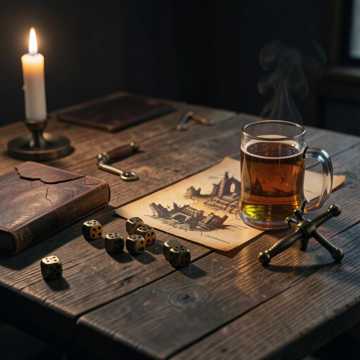
Bless Thee F5
A humorous medieval fantasy bard epic following a Dragonborn and companions through disastrous adventures, constant defeats, and endless save reloads. Blending cinematic narration, Gregorian chants, and lively tavern music, it celebrates persistence, chaos, and the legendary power of the F5 quicksave.
06:25
4 days ago
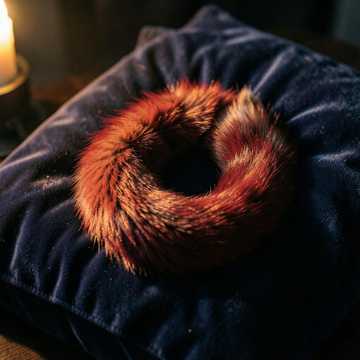
Fox in Velvet
A cinematic dark baroque instrumental that unfolds like a cunning villain's ascent, blending antique instruments, restrained rhythms, and an expanding Latin choir into an ominous yet triumphant musical narrative.
06:11
4 days ago
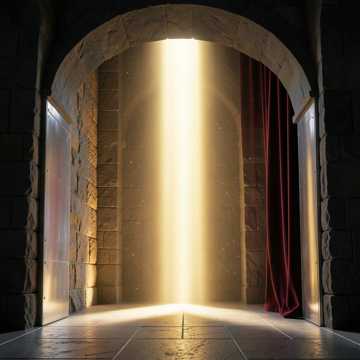
O light
A solemn liturgical hymn celebrating the Holy Light through prayer, devotion, and unity. Inspired by medieval sacred traditions and fantasy lore, it honors faith, compassion, perseverance, and the unwavering resolve of the Silver Hand.
05:03
4 days ago
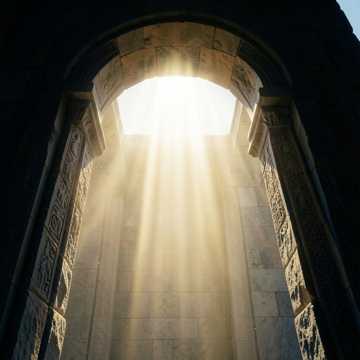
O light
A solemn liturgical hymn inspired by medieval Christian worship, celebrating the Holy Light through prayers, choral responses, and sacred vows. Its reverent atmosphere honors faith, compassion, perseverance, and righteous devotion within a grand cathedral setting.
04:25
4 days ago
O light
A solemnAnalysis of O Light Christian-inspired hymn celebrating unwavering faith, humility, compassion, and perseverance. Through sacred choral imagery and liturgical style, it portrays believers walking faithfully in the Holy Light toward hope, service, and eternal peace.
04:00
4 days ago
Where Are My Hose
A lighthearted medieval folk tale about a man frantically searching for his missing clothes, enduring an embarrassing chase through a lively village before joyfully recovering them in a triumphant, crowd-pleasing finale.
04:05
4 days ago
here we are
A cinematic folk anthem about overcoming fear through hope, unity, and resilience. Beginning beside a tranquil lake at dawn, it grows into a triumphant orchestral journey where courage, healing, and togetherness lead toward a brighter future.
04:19
4 days ago
Château Provençal
A refined Renaissance chamber instrumental featuring graceful dances, delicate counterpoint, and warm period instruments. Beginning with elegant ensemble interplay, it pauses for an intimate solo lute passage before returning to a rich, celebratory courtly finale.
04:05
4 days ago
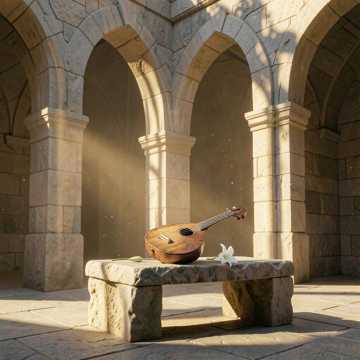
Lute In The Courtyard
Renaissance Song AnalysisA warm Renaissance chamber instrumental that evokes a sunlit palace courtyard through expressive lute, recorder, viola da gamba, harp, and subtle percussion. Gentle triple rhythms and modal counterpoint create an elegant, tranquil, and historically inspired listening experience.
04:35
4 days ago
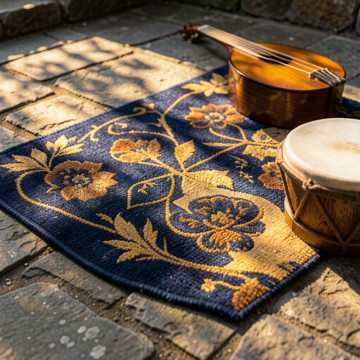
Provençal Tapestry
A Renaissance-style instrumental that blends lute, recorder, viola da gamba, and hand drum into a graceful dance. Expanding into rich ensemble harmonies before ending with an intimate solo lute reprise, it evokes the elegance and warmth of a medieval courtyard.
03:15
4 days ago

Château En Luth
ARenaissance Song Analysis refined Renaissance chamber instrumental featuring lute, vielle, recorders, hand drum, and viola da gamba. Gentle dance rhythms, intimate ensemble textures, and warm acoustic ambience evoke the elegance of a sunlit castle courtyard.
04:15
4 days ago

Raise the Gate
A cinematic bardcore instrumental blending medieval folk traditions with powerful rhythmic momentumAI Song Analysis. Lute, flute, frame drums, and tavern-inspired vocal textures evoke the feeling of a heroic march toward an ancient fortress.
03:39
4 days ago

Bard's Takedown
A powerful instrumental bardcore journey featuring energetic lute patterns, rhythmic folk percussion, expressive flute melodies, and triumphant tavern-inspired arrangements that build toward an anthemic medieval finale.
04:23
4 days ago
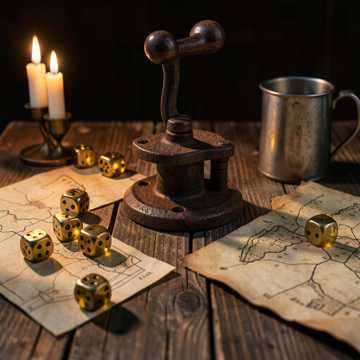
Bless Thee, F5
A cinematic medieval fantasy comedy celebrating the chaos of Baldur's Gate adventures, where disastrous battlesFix Invalid JSON, unforgettable companions, and constant quicksaves transform failure into legendary tavern tales filled with humor, heroism, and epic musical storytelling.
06:31
4 days ago
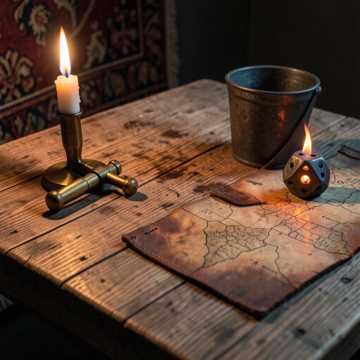
Bless Ye F5
A theatrical medieval comedy celebrating the chaos of Baldur's Gate adventures, where a Dragonborn and their doomed companions repeatedly fail, reload saves, and persevere through humor, epic tavern choruses, and solemn Gregorian chants until victory is finally within reach.
08:00
4 days ago
Black Banner Ale
A cinematic instrumental bardcore journey that evokes a lively medieval tavern through rhythmic lute patterns, earthy percussion, soaring flute textures, and expansive production, creating an adventurous, celebratory, and immersive folk atmosphere.
04:15
4 days ago

Bless Ye F5
A comedic medieval fantasy ballad about a Dragonborn and their disaster-prone party, blending chant and tavern music to celebrate failure, quicksaves, and persistence in a game-like heroic journey.
08:00
4 days ago

Broken Banner
A spirited medieval folk instrumental blending bardcore textures, driving lute ostinatos, hand percussion, flute, harp, and chant-inspired dynamics. The arrangement builds from intimate passages to a triumphant, high-energy finale with earthy, gritty character.
07:39
4 days ago

F5
A humorous medieval fantasy bard ballad following a Dragonborn and companions through disastrous adventures, celebrating failed battles, reloads, and unlikelyAI Song Analysis heroism with cinematic narration, Gregorian chants, and lively tavern choruses.
08:00
4 days ago

Fossa et Cruces
Carmen Latinum antiquum spiritu compositum, quod fortitudinem, patientiam et victoriam defensorum Maltae celebrat. Voces graves, pulsus processionalis et instrumenta historica memoriam, sacrificium et constantiam in atmosphaera sollemni evocant.
05:58
4 days ago
Introduction to Medieval Music
Medieval music refers to the music of the Middle Ages, a period that spans from roughly the 5th to the 15th century. This genre of music emerged from the remnants of the Roman Empire and developed into a distinctive form that reflected the social, religious, and cultural transformations of Europe during that time. Medieval music can be broadly divided into two categories: sacred and secular. Sacred music was primarily connected to the church, including Gregorian chant and liturgical pieces, while secular music encompassed folk songs, ballads, and troubadour melodies. The development of notation systems, such as neumes, allowed for the preservation and dissemination of Medieval compositions, setting the foundation for Western music traditions.
Sub-tags and Classifications of Medieval Music
Gregorian Chant
Named after Pope Gregory I, Gregorian Chant is a form of plainchant used in the liturgical services of the Catholic Church. It is characterized by monophonic, unaccompanied vocal music with free-flowing, modal melodies. The chant's rhythm is non-metrical, designed to follow the natural inflections of the Latin text, enhancing the spiritual and meditative aspects of worship.
Troubadour Music
Troubadour music refers to the secular songs composed and performed by poet-musicians in the courts of Southern France, Northern Spain, and Italy during the 12th and 13th centuries. These songs often focused on themes of chivalry and courtly love, characterized by lyrical poetry and melodies. Troubadours played a significant role in shaping the tradition of lyrical composition and storytelling in Western music.
Organum
Organum represents one of the earliest forms of polyphony, where a plainchant melody is accompanied by one or more additional voice parts. Emerging in the 9th century, organum evolved from parallel movement to more complex forms, such as free and melismatic organum. This development marked a significant step towards the intricate polyphonic compositions of the later Medieval period.
Ars Nova
The Ars Nova ('New Art') movement of the 14th century introduced innovations in rhythmic notation, allowing for greater complexity and variation in musical compositions. This era saw the rise of isorhythmic motets and the use of syncopation, which laid the groundwork for the transition from Medieval to Renaissance music. Composers like Philippe de Vitry and Guillaume de Machaut were pioneers of this style, pushing the boundaries of musical form and expression.
Famous Artists and Classic Works in Medieval Music
Hildegard von Bingen
Hildegard von Bingen was a German Benedictine abbess, writer, and composer of the 12th century. She is renowned for her contributions to sacred music, particularly her collection of compositions known as 'Symphonia armoniae celestium revelationum.' Hildegard's works are characterized by soaring melodies and vivid texts, which often drew upon her mystical visions, blending religious devotion with musical innovation.
Messe de Nostre Dame by Guillaume de Machaut
This iconic work is one of the first known polyphonic settings of the complete Mass Ordinary. Composed in the mid-14th century, 'Messe de Nostre Dame' showcases Machaut's mastery of polyphony and rhythmic sophistication. The composition includes movements like the Kyrie and Gloria, characterized by their complex interweaving of vocal lines and innovative use of isorhythmic techniques, which were revolutionary for their time.
Guillaume de Machaut
A leading figure of the Ars Nova movement, Guillaume de Machaut was a French poet and composer of the 14th century. His most famous work, 'Messe de Nostre Dame,' is the earliest known complete setting of the Ordinary of the Mass by a single composer. Machaut's use of intricate polyphony and rhythmic complexity in both sacred and secular music significantly influenced the transition to Renaissance music.
Carmina Burana
Although not strictly a single work but a collection of 13th-century poems set to music, 'Carmina Burana' provides insight into the secular music of the Medieval period. These pieces, written by Goliards—students and clerics—cover topics ranging from satire to love. The vibrant melodies and rhythmic patterns in 'Carmina Burana' highlight the lively and sometimes irreverent spirit of Medieval secular music.
Perotin
Perotin was a prominent composer of the Notre Dame School of polyphony in the late 12th and early 13th centuries. He is known for his development of organum, particularly the composition of multi-voice pieces such as 'Viderunt omnes.' Perotin's works exemplify the early stages of polyphonic music, characterized by their harmonic complexity and structural clarity.
Viderunt omnes by Perotin
A seminal example of early polyphonic music, 'Viderunt omnes' by Perotin is a four-voice organum composed for the Feast of the Circumcision. This work demonstrates the complexity of Notre Dame polyphony, with its layered vocal lines and dynamic interplay of melodic motifs. Perotin's composition illustrates the evolution of Medieval music from monophonic chant to richly textured polyphonic structures.
Application Scenarios for Medieval Music
Medieval music is frequently used in historical and fantasy films to create an authentic atmosphere that transports audiences to the Middle Ages. Films like 'The Name of the Rose' and 'Kingdom of Heaven' utilize Gregorian chants and medieval instrumentals to enhance the storytelling, providing a sense of time and place that aligns with the narrative.
Movie Soundtracks
Many video games set in medieval or fantasy worlds, such as 'The Elder Scrolls' series or 'Assassin's Creed,' incorporate Medieval music into their soundtracks. This genre helps to immerse players in the game environment, evoking the sounds of ancient castles, bustling medieval markets, and epic battles, thus enriching the overall gaming experience.
Video Game Background Music
Medieval music plays a crucial role in themed events such as Renaissance fairs, historical reenactments, and medieval banquets. Performers use traditional instruments like the lute, harp, and hurdy-gurdy to recreate the soundscapes of the Middle Ages, providing an authentic auditory backdrop that enhances the atmosphere and educational value of these events.
Themed Events and Reenactments
The calming and spiritual nature of Gregorian chant and other forms of sacred Medieval music makes it suitable for use in therapeutic and meditation settings. These compositions, with their repetitive structures and soothing harmonies, are often employed to promote relaxation, reduce stress, and aid in mindfulness practices.
Therapeutic and Meditation Settings