Free Medieval Music Generator Powered by AI
Turn text into high-quality Medieval music effortlessly – no login required!

music.toolTips
Bordée de Boue
Une bande d'aventuriers aussi maladroits que courageux affronte pièges, monstres et désastres avec humour. Malgré les échecs, leur esprit d'équipe, leur persévérance et leur joie de vivre transforment chaque catastrophe en victoire morale.
03:25
2 days ago
Serment des preux
Une fresque héroïque où des chevaliers unis par leur sermentSerment des Preux Analysis avancent pour défendre leur royaume et leur patrie. Entre foi, honneur et sacrifice, la puissance orchestrale et l'EDM créent une atmosphère épique et triomphante.
03:45
2 days ago
Bless F5
A humorous medieval fantasy bard song celebrating the chaos of Baldur's Gate adventures, where disastrous battles, unforgettable companions, and endless quicksave reloads transform repeated failure into an epic, theatrical tale of perseverance and laughter.
07:09
3 days ago
F5....Reload
A humorous cinematic medieval fantasy ballad following a Dragonborn and companions through disastrous adventures, endless save reloads, and unforgettable tavern singalongs, blending epic storytelling, dark comedy, and authentic medieval instrumentation into a legendary tribute to persistence.
06:27
3 days ago
Орден Великого Пісюна3
Гумористична фентезійна балада про вигаданий Орден, який перетворює випадкові події на великі пророцтва. Через казковий сюжет пісня дотепно висміює надмірні тлумачення, сліпу віру та колективне мислення.
02:03
3 days ago
Francisco en la ribera
Una conmovedora canción folk celta que narra la desaparición de Francisco durante la noche de San Juan. Entre la incertidumbre, el duelo y la memoria colectiva, la ribera, el río y el mar se convierten en símbolos del recuerdo y la ausencia.
04:32
3 days ago
Francisco En el Río
Una balada folk celta que narra la trágica desaparición de Francisco durante la noche de San Juan. Entre paisajes fluviales, misterio y duelo colectivo, la canción transforma una leyenda en un lamento cinematográfico lleno de emoción y tradición.
04:14
3 days ago

Ría de Bilbao
Balada folk de profunda carga emocional que relata la desaparición de Francisco de la Vega Casar durante la noche de San Juan. La obra convierte la ría en un símbolo de memoria, destino y ausencia mediante una narrativa poética y cinematográfica.
04:01
3 days ago
Francisco en la Ría
Una balada folk celta que relata la misteriosa desaparición de Francisco en la ría durante la Noche de San Juan. Entre imágenes poéticas, el mar se convierte en guardián del recuerdo y del dolor compartido por toda la ciudad.
03:51
3 days ago
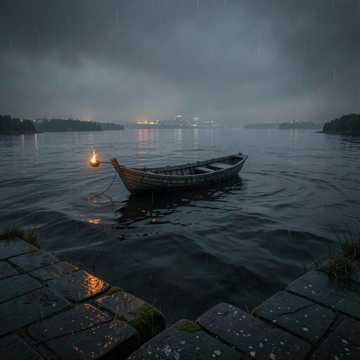
Ría de Bilbao
Una balada folk de profunda carga emocional que narra la desaparición de Francisco de la Vega Casar durante la Noche de San Juan. La ría se convierte en símbolo de misterio, duelo y recuerdo colectivo, envuelta en una atmósfera celta y cinematográfica.
03:35
3 days ago
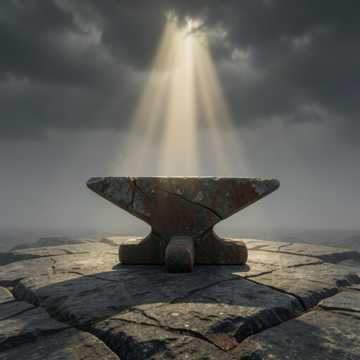
King 5
A sweeping instrumental fantasy score that evokes the grandeur, sorrow, and resilience of an ancient kingdom. Through masterful orchestration and slow-building emotional intensity, it creates an unforgettable cinematic experience without the need for lyrics.
03:00
3 days ago
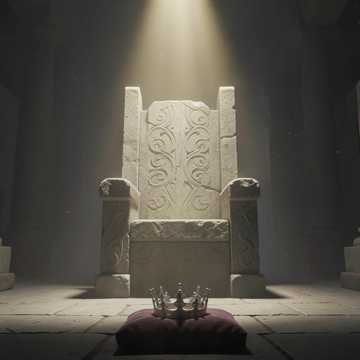
King 4
A slow-building instrumental fantasy composition that evokes the rise and burden of a noble king. Rich orchestral layers, ancient folk elements, and solemn ceremonial rhythms create an immersive, melancholic atmosphere culminating in a powerful emotional climax.
05:14
3 days ago
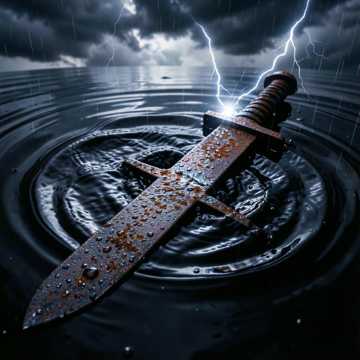
Thunderblade March
A high-energy instrumental folk-metal march driven by fast rhythms, powerful strings, and thunderous percussion, creating a dark, cinematic atmosphere that evokes heroic battles, relentless determination, and epic fantasy adventures.
04:09
3 days ago
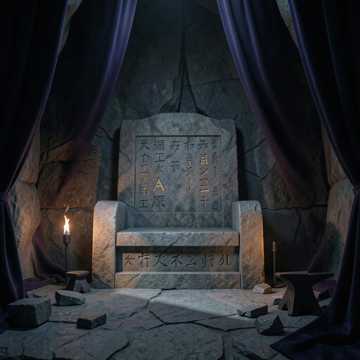
King 3
A slow-building instrumental fantasy composition evoking the grandeur and melancholy of an ancient dwarven kingdom. Noble orchestral colors, deep male choir, resonant low brass, and organic acoustic instrumentation culminate in a powerful, emotional, and majestic climax.
03:50
3 days ago
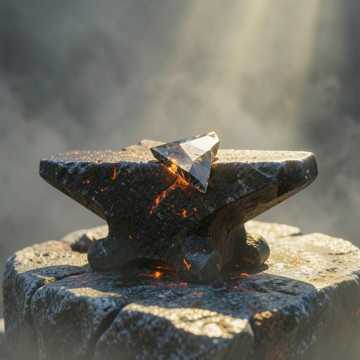
King 2
An instrumental cinematic fantasy piece that evokes the rise of an ancient dwarven king through solemn rituals, growing determination, and a triumphant emotional climax, blending melancholy, hope, and timeless nobility.
02:50
3 days ago
Ya Leil Meu Cœur
Une ballade multiculturelle où deux voix s'entrelacent pour raconter un amour impossible. Entre français, arabe, anglais et hébreu, la chanson évoque la passion, la séparation et les blessures du cœur sur une mélodie méditerranéenne profondément mélancolique.
05:22
3 days ago

King
A slow-building instrumental epic portraying the last dwarf king's return to his fallen subterranean kingdom, where sorrow transforms into hope as the Great Forge is reignited through majestic orchestral and ancient dwarven folk-inspired music.
03:45
3 days ago
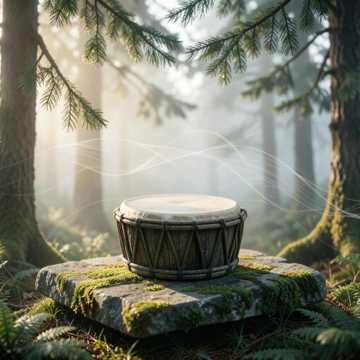
Celta 2
Una composición instrumental de inspiración celta medieval que combina arpas, cuerdas etéreas y percusión tradicional para crear un paisaje sonoro melancólico, envolvente y evocador, con un crecimiento emocional que culmina en una serena resolución acústica.
05:38
3 days ago
怜悧の騎士
高潔な騎士の威厳と幻想世界の荘厳さを描くインストゥルメンタル作品。Future Bassの煌びやかな響きと中世ファンタジー風の気品が融合し、壮大な冒険と希望を想起させる。
01:30
Invalid date
Celta 2
Composición instrumental de inspiración celta medieval que combina arpas, cuerdas envolventes y percusión tradicional en una progresión emotiva. Su atmósfera etérea, melancólica y contemplativa culmina en una resolución acústica íntima y serena.
03:12
3 days ago
Introduction to Medieval Music
Medieval music refers to the music of the Middle Ages, a period that spans from roughly the 5th to the 15th century. This genre of music emerged from the remnants of the Roman Empire and developed into a distinctive form that reflected the social, religious, and cultural transformations of Europe during that time. Medieval music can be broadly divided into two categories: sacred and secular. Sacred music was primarily connected to the church, including Gregorian chant and liturgical pieces, while secular music encompassed folk songs, ballads, and troubadour melodies. The development of notation systems, such as neumes, allowed for the preservation and dissemination of Medieval compositions, setting the foundation for Western music traditions.
Sub-tags and Classifications of Medieval Music
Gregorian Chant
Named after Pope Gregory I, Gregorian Chant is a form of plainchant used in the liturgical services of the Catholic Church. It is characterized by monophonic, unaccompanied vocal music with free-flowing, modal melodies. The chant's rhythm is non-metrical, designed to follow the natural inflections of the Latin text, enhancing the spiritual and meditative aspects of worship.
Troubadour Music
Troubadour music refers to the secular songs composed and performed by poet-musicians in the courts of Southern France, Northern Spain, and Italy during the 12th and 13th centuries. These songs often focused on themes of chivalry and courtly love, characterized by lyrical poetry and melodies. Troubadours played a significant role in shaping the tradition of lyrical composition and storytelling in Western music.
Organum
Organum represents one of the earliest forms of polyphony, where a plainchant melody is accompanied by one or more additional voice parts. Emerging in the 9th century, organum evolved from parallel movement to more complex forms, such as free and melismatic organum. This development marked a significant step towards the intricate polyphonic compositions of the later Medieval period.
Ars Nova
The Ars Nova ('New Art') movement of the 14th century introduced innovations in rhythmic notation, allowing for greater complexity and variation in musical compositions. This era saw the rise of isorhythmic motets and the use of syncopation, which laid the groundwork for the transition from Medieval to Renaissance music. Composers like Philippe de Vitry and Guillaume de Machaut were pioneers of this style, pushing the boundaries of musical form and expression.
Famous Artists and Classic Works in Medieval Music
Hildegard von Bingen
Hildegard von Bingen was a German Benedictine abbess, writer, and composer of the 12th century. She is renowned for her contributions to sacred music, particularly her collection of compositions known as 'Symphonia armoniae celestium revelationum.' Hildegard's works are characterized by soaring melodies and vivid texts, which often drew upon her mystical visions, blending religious devotion with musical innovation.
Messe de Nostre Dame by Guillaume de Machaut
This iconic work is one of the first known polyphonic settings of the complete Mass Ordinary. Composed in the mid-14th century, 'Messe de Nostre Dame' showcases Machaut's mastery of polyphony and rhythmic sophistication. The composition includes movements like the Kyrie and Gloria, characterized by their complex interweaving of vocal lines and innovative use of isorhythmic techniques, which were revolutionary for their time.
Guillaume de Machaut
A leading figure of the Ars Nova movement, Guillaume de Machaut was a French poet and composer of the 14th century. His most famous work, 'Messe de Nostre Dame,' is the earliest known complete setting of the Ordinary of the Mass by a single composer. Machaut's use of intricate polyphony and rhythmic complexity in both sacred and secular music significantly influenced the transition to Renaissance music.
Carmina Burana
Although not strictly a single work but a collection of 13th-century poems set to music, 'Carmina Burana' provides insight into the secular music of the Medieval period. These pieces, written by Goliards—students and clerics—cover topics ranging from satire to love. The vibrant melodies and rhythmic patterns in 'Carmina Burana' highlight the lively and sometimes irreverent spirit of Medieval secular music.
Perotin
Perotin was a prominent composer of the Notre Dame School of polyphony in the late 12th and early 13th centuries. He is known for his development of organum, particularly the composition of multi-voice pieces such as 'Viderunt omnes.' Perotin's works exemplify the early stages of polyphonic music, characterized by their harmonic complexity and structural clarity.
Viderunt omnes by Perotin
A seminal example of early polyphonic music, 'Viderunt omnes' by Perotin is a four-voice organum composed for the Feast of the Circumcision. This work demonstrates the complexity of Notre Dame polyphony, with its layered vocal lines and dynamic interplay of melodic motifs. Perotin's composition illustrates the evolution of Medieval music from monophonic chant to richly textured polyphonic structures.
Application Scenarios for Medieval Music
Medieval music is frequently used in historical and fantasy films to create an authentic atmosphere that transports audiences to the Middle Ages. Films like 'The Name of the Rose' and 'Kingdom of Heaven' utilize Gregorian chants and medieval instrumentals to enhance the storytelling, providing a sense of time and place that aligns with the narrative.
Movie Soundtracks
Many video games set in medieval or fantasy worlds, such as 'The Elder Scrolls' series or 'Assassin's Creed,' incorporate Medieval music into their soundtracks. This genre helps to immerse players in the game environment, evoking the sounds of ancient castles, bustling medieval markets, and epic battles, thus enriching the overall gaming experience.
Video Game Background Music
Medieval music plays a crucial role in themed events such as Renaissance fairs, historical reenactments, and medieval banquets. Performers use traditional instruments like the lute, harp, and hurdy-gurdy to recreate the soundscapes of the Middle Ages, providing an authentic auditory backdrop that enhances the atmosphere and educational value of these events.
Themed Events and Reenactments
The calming and spiritual nature of Gregorian chant and other forms of sacred Medieval music makes it suitable for use in therapeutic and meditation settings. These compositions, with their repetitive structures and soothing harmonies, are often employed to promote relaxation, reduce stress, and aid in mindfulness practices.
Therapeutic and Meditation Settings