Free Medieval Music Generator Powered by AI
Turn text into high-quality Medieval music effortlessly – no login required!

music.toolTips
Lady of Mercia
A triumphant medieval-inspired anthem celebrating the strength, wisdom, and unwavering identity of Mercia's legendary female ruler. Through bold lyrics and cinematic folk-pop arrangements, the song honors leadership, resilience, and enduring courage against adversity.
03:47
1 days ago
Lady Of Mercians
An epic historical pop-rock anthem portraying the Lady of Mercians as a fearless ruler who defies expectations, protects her kingdom, and embraces both strength and compassion while declaring her unwavering identity and legacy.
04:32
1 days ago
Boss Battle Ledger
An energetic instrumental boss battle theme combining chiptune and orchestral elements with medieval influences. Driving rhythms, heroic melodies, dynamic breaks, and a powerful finale create an intense retro arcade combat atmosphere.
03:50
Invalid date

Cobalt Duel
An instrumental chiptune battle anthem that combines medievalSong Analysis Request fantasy charm with retro gaming intensity, featuring energetic 8-bit melodies, heroic brass synths, ascending arpeggios, and dynamic percussion for an exhilarating duel-inspired adventure.
00:28
Invalid date
The feudal system
An upbeat educational hip hop song that traces the Middle Ages from the fall of Rome to the Renaissance, explaining feudalism, castles, knights, religion, daily life, major historical events, and lasting influences through engaging, Hamilton-inspired storytelling.
04:23
2 days ago
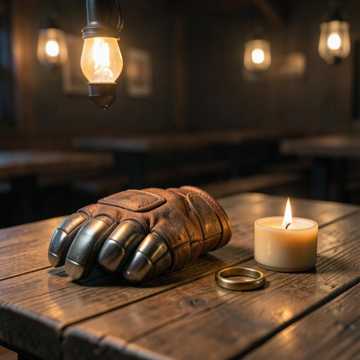
Lantern Under Armor
A timid knight struggles to confess his love to another knight, encouraged by friends in a lively medieval tavern. Through humor, vulnerability and growing courage, the story builds toward an honest declaration of affection and hope for love returned.
03:05
Invalid date
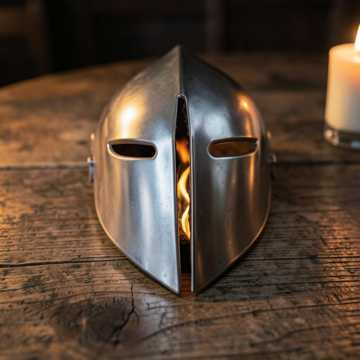
Latch the Visor
A bashful knight struggles to confess his feelings despite his courage in battle. Surrounded by teasing friends, he learns that true bravery lies in vulnerability, as medieval folk-pop melodies transform shy longing into an uplifting romantic anthem.
03:20
Invalid date
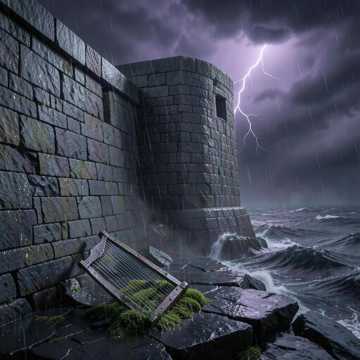
Storm Over the Keep (part 2 Style of Florent Schmitt)
An instrumental cinematic composition that evokes a fortress enduring a violent storm through expressive orchestral swells, intimate piano passages, dramatic brass, and lush Romantic textures, culminating in a powerful and emotionally charged finale.
08:00
2 days ago
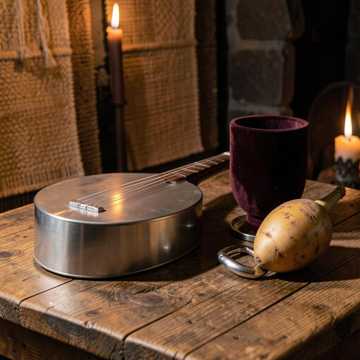
Sir Gawain’s Dilemma
A humorous medieval ballad about a shy knight overcoming fear to confess his attraction to another knight. Encouraged by loyal companions, he discovers that honesty and courage triumph over embarrassment, transforming anxiety into joyful confidence and heartfelt connection.
04:58
Invalid date

Lace and Lances
A bashful young warrior secretly longs for a handsome knight, confessing his inexperience in romance through humorous, heartfelt lyrics wrapped in a warm medieval folk ballad full of innocence, courage, and playful charm.
03:02
Invalid date
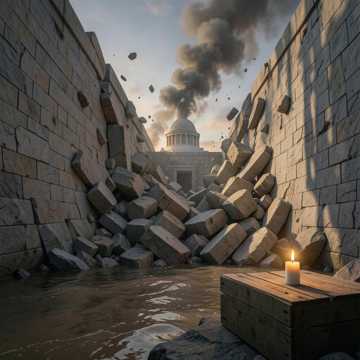
Walls of Marble
An epic historical folk ballad portraying the final hours of a fortified city under siege. Through intimate human moments and cinematic grandeur, it explores courage, faith, loss, and the unstoppable march of history as ancient walls finally collapse.
03:08
Invalid date
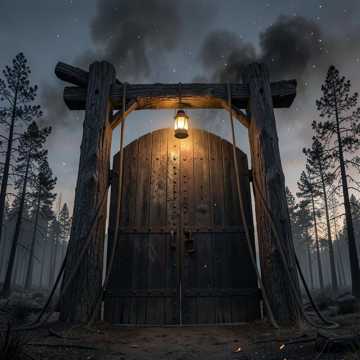
Tesconia Stood Tall
A stirring country rock ballad about the fortress of Tesconia enduring a relentless siege through courage, unity, and sacrifice. From tense beginnings to a triumphant finale, the song celebrates unwavering resilience against overwhelming odds.
04:27
2 days ago
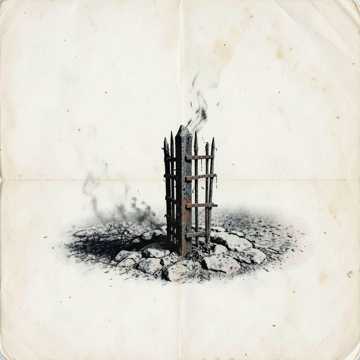
Tesconia Stood
An epic cinematic ballad depicting the defense of Tesconia against overwhelming forces. Through sacrifice, unity, and unwavering resolve, the fortress becomes a symbol of hope, proving that true strength lies in the people who stand together.
05:34
2 days ago
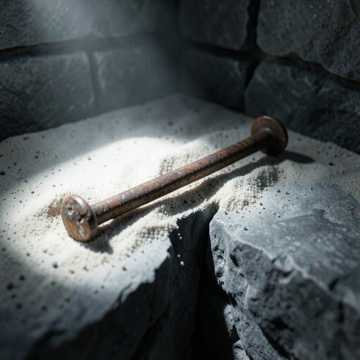
Dreamnail
A haunting descent through abandoned kingdoms and forgotten crypts, where ancient steel, sleeping monarchs, and creeping corruption create a bleak tale of decay, solitude, and perseverance within a dark medieval fantasy world.
02:35
2 days ago
Terra Franciae
Une ballade folk sacrée qui célèbre la résilience, la mémoire, les rivières et la transmission. À travers une montée émotionnelle, la narratrice protège une terre, des valeurs et un héritage, transformant les épreuves en lumière, en espoir et en continuité entre les générations.
04:33
2 days ago
The Light
A solemn liturgical hymn inspired by medieval Christian chant, praising the Holy Light through prayer, devotion, and sacred vows. Featuring choral responses and references to Lordaeron and the Silver Hand, it conveys unwavering faith, courage, compassion, and spiritual perseverance.
04:43
2 days ago

The Light
A solemn liturgical hymn celebrating unwavering faith, unity, sacrifice, and divine guidance. Through choral prayers and triumphant declarations, devoted followers embrace compassion, respect, and courage while trusting the Holy Light through every trial.
04:42
2 days ago
The Light
A solemn sacred hymn celebrating steadfast faith, humility, compassion, and perseverance. Through majestic choral worship and orchestral grandeur, it portrays devoted souls following the Holy Light toward hope, service, and eternal peace.
04:12
2 days ago
The Bobarians
A humorous folk tavern song about an adventuring party whose carefully planned card heist collapses after one impulsive hero sparks a chaotic brawl, turning failure into a legendary drinking tale.
02:17
Invalid date
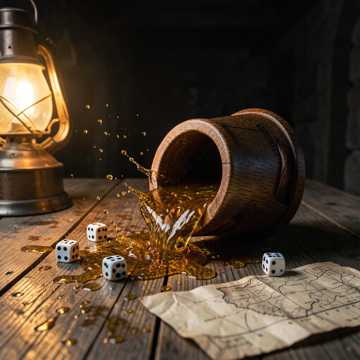
Bobarians at Dawn
A rowdy fantasy tavern anthem about a band of unlucky adventurers whose carefully planned heist collapses into glorious chaos. Fueled by humor, friendship, and catchy pub-chant energy, the song celebrates failure as much as bravery.
03:03
Invalid date
Introduction to Medieval Music
Medieval music refers to the music of the Middle Ages, a period that spans from roughly the 5th to the 15th century. This genre of music emerged from the remnants of the Roman Empire and developed into a distinctive form that reflected the social, religious, and cultural transformations of Europe during that time. Medieval music can be broadly divided into two categories: sacred and secular. Sacred music was primarily connected to the church, including Gregorian chant and liturgical pieces, while secular music encompassed folk songs, ballads, and troubadour melodies. The development of notation systems, such as neumes, allowed for the preservation and dissemination of Medieval compositions, setting the foundation for Western music traditions.
Sub-tags and Classifications of Medieval Music
Gregorian Chant
Named after Pope Gregory I, Gregorian Chant is a form of plainchant used in the liturgical services of the Catholic Church. It is characterized by monophonic, unaccompanied vocal music with free-flowing, modal melodies. The chant's rhythm is non-metrical, designed to follow the natural inflections of the Latin text, enhancing the spiritual and meditative aspects of worship.
Troubadour Music
Troubadour music refers to the secular songs composed and performed by poet-musicians in the courts of Southern France, Northern Spain, and Italy during the 12th and 13th centuries. These songs often focused on themes of chivalry and courtly love, characterized by lyrical poetry and melodies. Troubadours played a significant role in shaping the tradition of lyrical composition and storytelling in Western music.
Organum
Organum represents one of the earliest forms of polyphony, where a plainchant melody is accompanied by one or more additional voice parts. Emerging in the 9th century, organum evolved from parallel movement to more complex forms, such as free and melismatic organum. This development marked a significant step towards the intricate polyphonic compositions of the later Medieval period.
Ars Nova
The Ars Nova ('New Art') movement of the 14th century introduced innovations in rhythmic notation, allowing for greater complexity and variation in musical compositions. This era saw the rise of isorhythmic motets and the use of syncopation, which laid the groundwork for the transition from Medieval to Renaissance music. Composers like Philippe de Vitry and Guillaume de Machaut were pioneers of this style, pushing the boundaries of musical form and expression.
Famous Artists and Classic Works in Medieval Music
Hildegard von Bingen
Hildegard von Bingen was a German Benedictine abbess, writer, and composer of the 12th century. She is renowned for her contributions to sacred music, particularly her collection of compositions known as 'Symphonia armoniae celestium revelationum.' Hildegard's works are characterized by soaring melodies and vivid texts, which often drew upon her mystical visions, blending religious devotion with musical innovation.
Messe de Nostre Dame by Guillaume de Machaut
This iconic work is one of the first known polyphonic settings of the complete Mass Ordinary. Composed in the mid-14th century, 'Messe de Nostre Dame' showcases Machaut's mastery of polyphony and rhythmic sophistication. The composition includes movements like the Kyrie and Gloria, characterized by their complex interweaving of vocal lines and innovative use of isorhythmic techniques, which were revolutionary for their time.
Guillaume de Machaut
A leading figure of the Ars Nova movement, Guillaume de Machaut was a French poet and composer of the 14th century. His most famous work, 'Messe de Nostre Dame,' is the earliest known complete setting of the Ordinary of the Mass by a single composer. Machaut's use of intricate polyphony and rhythmic complexity in both sacred and secular music significantly influenced the transition to Renaissance music.
Carmina Burana
Although not strictly a single work but a collection of 13th-century poems set to music, 'Carmina Burana' provides insight into the secular music of the Medieval period. These pieces, written by Goliards—students and clerics—cover topics ranging from satire to love. The vibrant melodies and rhythmic patterns in 'Carmina Burana' highlight the lively and sometimes irreverent spirit of Medieval secular music.
Perotin
Perotin was a prominent composer of the Notre Dame School of polyphony in the late 12th and early 13th centuries. He is known for his development of organum, particularly the composition of multi-voice pieces such as 'Viderunt omnes.' Perotin's works exemplify the early stages of polyphonic music, characterized by their harmonic complexity and structural clarity.
Viderunt omnes by Perotin
A seminal example of early polyphonic music, 'Viderunt omnes' by Perotin is a four-voice organum composed for the Feast of the Circumcision. This work demonstrates the complexity of Notre Dame polyphony, with its layered vocal lines and dynamic interplay of melodic motifs. Perotin's composition illustrates the evolution of Medieval music from monophonic chant to richly textured polyphonic structures.
Application Scenarios for Medieval Music
Medieval music is frequently used in historical and fantasy films to create an authentic atmosphere that transports audiences to the Middle Ages. Films like 'The Name of the Rose' and 'Kingdom of Heaven' utilize Gregorian chants and medieval instrumentals to enhance the storytelling, providing a sense of time and place that aligns with the narrative.
Movie Soundtracks
Many video games set in medieval or fantasy worlds, such as 'The Elder Scrolls' series or 'Assassin's Creed,' incorporate Medieval music into their soundtracks. This genre helps to immerse players in the game environment, evoking the sounds of ancient castles, bustling medieval markets, and epic battles, thus enriching the overall gaming experience.
Video Game Background Music
Medieval music plays a crucial role in themed events such as Renaissance fairs, historical reenactments, and medieval banquets. Performers use traditional instruments like the lute, harp, and hurdy-gurdy to recreate the soundscapes of the Middle Ages, providing an authentic auditory backdrop that enhances the atmosphere and educational value of these events.
Themed Events and Reenactments
The calming and spiritual nature of Gregorian chant and other forms of sacred Medieval music makes it suitable for use in therapeutic and meditation settings. These compositions, with their repetitive structures and soothing harmonies, are often employed to promote relaxation, reduce stress, and aid in mindfulness practices.
Therapeutic and Meditation Settings