Free Medieval Music Generator Powered by AI
Turn text into high-quality Medieval music effortlessly – no login required!

music.toolTips
Jeanne d'Arc– The Voice of Destiny
A majestic instrumental symphonic composition portraying Jeanne d'Arc's legendary destiny through heroic brass, sweeping strings, medieval instruments, and cinematic orchestral development that culminates in a triumphant, emotionally powerful finale.
03:54
1 hours ago
Jeanne – The Voice of Destiny
An instrumental cinematic epic portraying the legendary journey of Jeanne through majestic brass, medieval textures and sweeping orchestral movements. The composition evokes courage, destiny and triumph with an authentic symphonic sound free of vocals and modern instruments.
03:13
1 hours ago
Jeanne – The Voice of Destiny
A grand instrumental cinematic composition inspired by the legendary spirit of Jeanne, blending medieval textures, noble orchestral themes and heroic development into an emotionally uplifting finale that celebrates destiny, courage and enduring hope.
03:22
1 hours ago
Sparky Clanker Cecilia
A whimsical fantasy folk tale about Cecilia Immergreen, a half-steel adventurer whose courage, wit, and unwavering spirit inspire companions as she journeys through magical lands, overcoming danger with music, resilience, and hope.
05:00
4 hours ago

Vesper Stone
A wordless medieval-inspired a cappella composition that unfolds from solitary low hums into layered sacred vocal textures before dissolving into a single lingering chord, evoking reverence, stillness, and the timeless resonance of ancient stone chambers.
04:11
8 hours ago
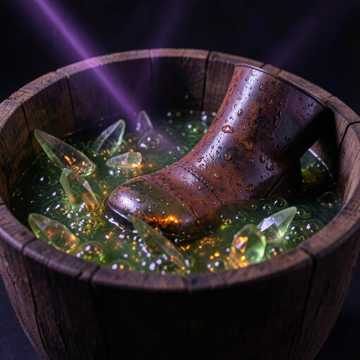
THE CHEESE WIZARD
A comedic fantasy rap centered on a boastful Cheese Wizard who uses magic, potions, sharp rhymes, and Halloween-themed mischief to intimidate rivals. The track combines humorous medieval language, supernatural imagery, and a dramatic perspective shift that highlights the wizard's overwhelming power.
01:16
10 hours ago
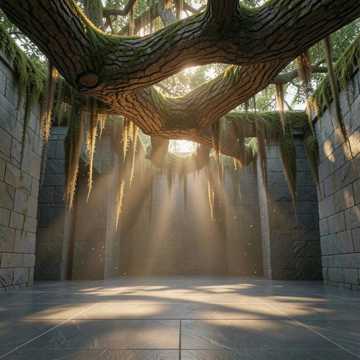
Hall of Elder Boughs
An instrumental medieval fantasy ambient composition that evokes ancient halls, sacred ceremonies, and forgotten kingdoms through layered traditional instruments, spacious modal harmony, and an immersive, timeless atmosphere.
04:58
10 hours ago
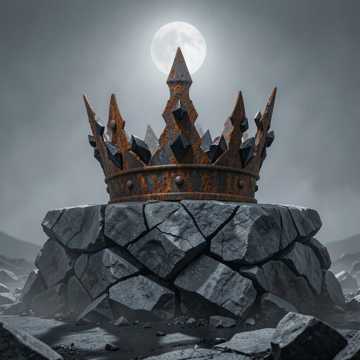
Crown of the Fallen Realm
A bleak and cinematic metal anthem depicting the collapse of a cursed kingdom. Through images of plague, war, ruin, and fading hope, it follows a world consumed by fire and silence, where crowns, gods, and empires ultimately fall into oblivion.
06:32
10 hours ago

Crown of the Fallen Realm
An epic post-apocalyptic fantasy metal anthem portraying the collapse of an ancient empire through relentless war, despair, and decay. Fast-paced riffs, haunting choirs, and cinematic intensity create a powerful atmosphere of inevitable doom and eternal silence.
07:23
11 hours ago
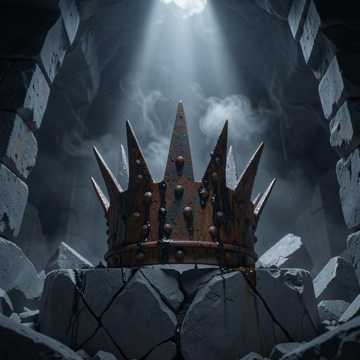
Crown of the Fallen Realm
An epic post-apocalyptic metal saga depicting the collapse of kingdoms, the futility of power, and humanity's endless suffering. Through vivid imagery, crushing riffs, and cinematic intensity, it paints a bleak world where only war, ashes, and silence remain.
07:22
11 hours ago
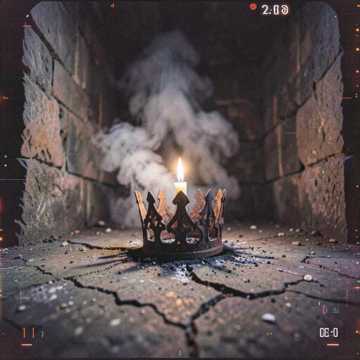
Crown of the Fallen Realm
An epic melancholic metal anthem depicting the collapse of a forgotten kingdom where war, plague, and despair consume all hope. Through cinematic imagery and relentless intensity, it portrays humanity's final descent into eternal darkness.
07:59
11 hours ago
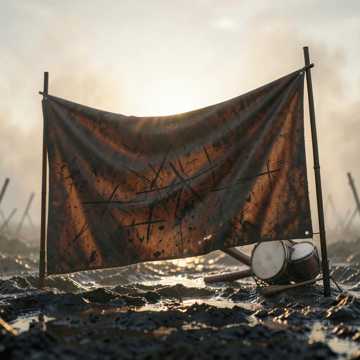
Iron Banner March
An instrumental cinematic medieval war march that builds from a distant battle call into an overwhelming orchestral climax.AI Song Analysis Towering brass, deep percussion, solemn choir, and atmospheric strings evoke honor, conflict, resilience, and the grandeur of an ancient battlefield.
04:58
Invalid date
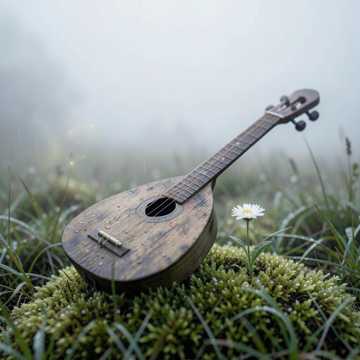
ОДНОДЕННА ФЕЯ
Лірична балада про молоду доброволицю, чий єдиний день на полі бою перетворився на вічну легенду. Через образи природи, пам'яті та світанку пісня розповідає про жертовність, людяність і безсмертя доброго імені.
03:05
17 hours ago
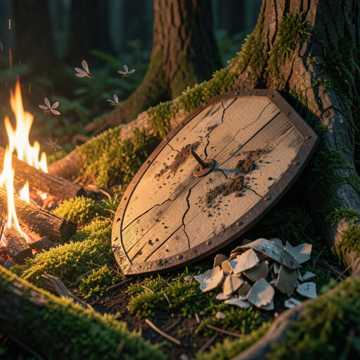
ОДНОДЕННІ ЛИЦАРІ 2
Іронічна середньовічна балада про самовпевненого володаря, чиї армії безславно зникають у загадковому Пралісі. Через гумор, алегорії та атмосферу народної легенди пісня висміює пиху, безглузді війни й недооцінку сили природи.
04:42
18 hours ago
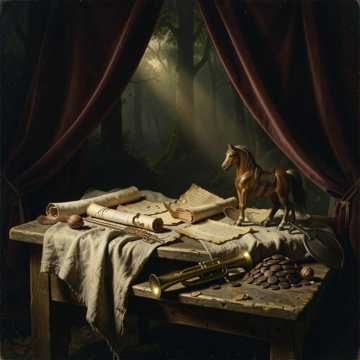
Лицарі Одного Дня *(друга частина після «Посланця Великого Братства»)*
Алегорична фолк-балада про лицарів, які щоразу вирушають у похід із гучними промовами, але зникають швидше за літній дощ. Праліс незмінно переживає їх, перетворюючи людську пиху на лісову легенду.
03:52
18 hours ago
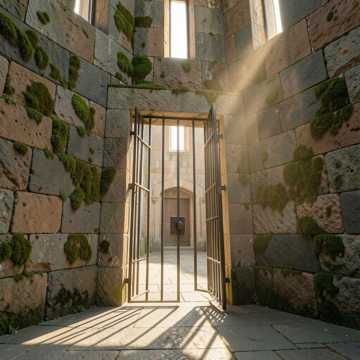
Dans mon donjon
Une chanson folklorique médiévale au rythme participatif qui met en scène un gardien vivant paisiblement dans son donjon. Les refrains fédérateurs, les percussions et la montée en intensité créent une atmosphère chaleureuse, héroïque et conviviale.
01:10
20 hours ago

Moonshine Serenade
A reflective moonlit ballad where memories, longing, and healing intertwine. Medieval-inspired melodies, deep alto vocals, and ethereal choir textures create a serene yet melancholic atmosphere that embraces the listener with quiet emotional warmth.
02:25
21 hours ago
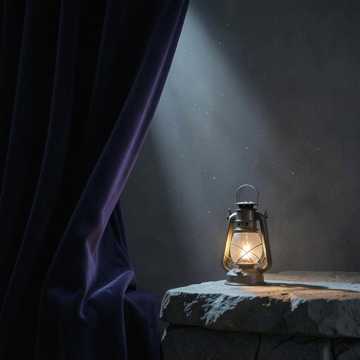
Night Her Self
A tranquil medieval-inspired ballad where Night is personified as a gentle guardian, bringing peace, comfort, and restful sleep. Deep alto vocals, choir harmonies, and troubadour influences create a melancholic yet soothing atmosphere filled with quiet grace.
03:29
21 hours ago
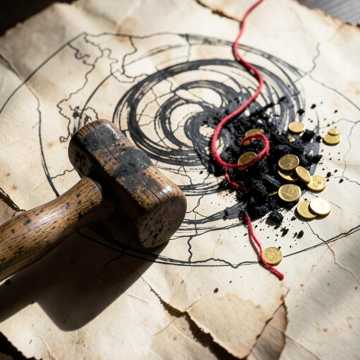
Save Load 22ish
A humorous medieval bard anthem celebrating the chaos of fantasy RPG adventures, where failed battles, unlucky companions, and unforgettable mishaps are overcome through quicksaves, reloads, and relentless determination wrapped in cinematic storytelling.
08:00
22 hours ago
I Cast....F5
A cinematic medieval bard tale celebrating Baldur's Gate adventures, where heroic ambition collides with comic disaster. Through chants, tavern choruses, and witty storytelling, every failure becomes another legendary journey thanks to the magic of reloading saved games.
06:40
22 hours ago
Introduction to Medieval Music
Medieval music refers to the music of the Middle Ages, a period that spans from roughly the 5th to the 15th century. This genre of music emerged from the remnants of the Roman Empire and developed into a distinctive form that reflected the social, religious, and cultural transformations of Europe during that time. Medieval music can be broadly divided into two categories: sacred and secular. Sacred music was primarily connected to the church, including Gregorian chant and liturgical pieces, while secular music encompassed folk songs, ballads, and troubadour melodies. The development of notation systems, such as neumes, allowed for the preservation and dissemination of Medieval compositions, setting the foundation for Western music traditions.
Sub-tags and Classifications of Medieval Music
Gregorian Chant
Named after Pope Gregory I, Gregorian Chant is a form of plainchant used in the liturgical services of the Catholic Church. It is characterized by monophonic, unaccompanied vocal music with free-flowing, modal melodies. The chant's rhythm is non-metrical, designed to follow the natural inflections of the Latin text, enhancing the spiritual and meditative aspects of worship.
Troubadour Music
Troubadour music refers to the secular songs composed and performed by poet-musicians in the courts of Southern France, Northern Spain, and Italy during the 12th and 13th centuries. These songs often focused on themes of chivalry and courtly love, characterized by lyrical poetry and melodies. Troubadours played a significant role in shaping the tradition of lyrical composition and storytelling in Western music.
Organum
Organum represents one of the earliest forms of polyphony, where a plainchant melody is accompanied by one or more additional voice parts. Emerging in the 9th century, organum evolved from parallel movement to more complex forms, such as free and melismatic organum. This development marked a significant step towards the intricate polyphonic compositions of the later Medieval period.
Ars Nova
The Ars Nova ('New Art') movement of the 14th century introduced innovations in rhythmic notation, allowing for greater complexity and variation in musical compositions. This era saw the rise of isorhythmic motets and the use of syncopation, which laid the groundwork for the transition from Medieval to Renaissance music. Composers like Philippe de Vitry and Guillaume de Machaut were pioneers of this style, pushing the boundaries of musical form and expression.
Famous Artists and Classic Works in Medieval Music
Hildegard von Bingen
Hildegard von Bingen was a German Benedictine abbess, writer, and composer of the 12th century. She is renowned for her contributions to sacred music, particularly her collection of compositions known as 'Symphonia armoniae celestium revelationum.' Hildegard's works are characterized by soaring melodies and vivid texts, which often drew upon her mystical visions, blending religious devotion with musical innovation.
Messe de Nostre Dame by Guillaume de Machaut
This iconic work is one of the first known polyphonic settings of the complete Mass Ordinary. Composed in the mid-14th century, 'Messe de Nostre Dame' showcases Machaut's mastery of polyphony and rhythmic sophistication. The composition includes movements like the Kyrie and Gloria, characterized by their complex interweaving of vocal lines and innovative use of isorhythmic techniques, which were revolutionary for their time.
Guillaume de Machaut
A leading figure of the Ars Nova movement, Guillaume de Machaut was a French poet and composer of the 14th century. His most famous work, 'Messe de Nostre Dame,' is the earliest known complete setting of the Ordinary of the Mass by a single composer. Machaut's use of intricate polyphony and rhythmic complexity in both sacred and secular music significantly influenced the transition to Renaissance music.
Carmina Burana
Although not strictly a single work but a collection of 13th-century poems set to music, 'Carmina Burana' provides insight into the secular music of the Medieval period. These pieces, written by Goliards—students and clerics—cover topics ranging from satire to love. The vibrant melodies and rhythmic patterns in 'Carmina Burana' highlight the lively and sometimes irreverent spirit of Medieval secular music.
Perotin
Perotin was a prominent composer of the Notre Dame School of polyphony in the late 12th and early 13th centuries. He is known for his development of organum, particularly the composition of multi-voice pieces such as 'Viderunt omnes.' Perotin's works exemplify the early stages of polyphonic music, characterized by their harmonic complexity and structural clarity.
Viderunt omnes by Perotin
A seminal example of early polyphonic music, 'Viderunt omnes' by Perotin is a four-voice organum composed for the Feast of the Circumcision. This work demonstrates the complexity of Notre Dame polyphony, with its layered vocal lines and dynamic interplay of melodic motifs. Perotin's composition illustrates the evolution of Medieval music from monophonic chant to richly textured polyphonic structures.
Application Scenarios for Medieval Music
Medieval music is frequently used in historical and fantasy films to create an authentic atmosphere that transports audiences to the Middle Ages. Films like 'The Name of the Rose' and 'Kingdom of Heaven' utilize Gregorian chants and medieval instrumentals to enhance the storytelling, providing a sense of time and place that aligns with the narrative.
Movie Soundtracks
Many video games set in medieval or fantasy worlds, such as 'The Elder Scrolls' series or 'Assassin's Creed,' incorporate Medieval music into their soundtracks. This genre helps to immerse players in the game environment, evoking the sounds of ancient castles, bustling medieval markets, and epic battles, thus enriching the overall gaming experience.
Video Game Background Music
Medieval music plays a crucial role in themed events such as Renaissance fairs, historical reenactments, and medieval banquets. Performers use traditional instruments like the lute, harp, and hurdy-gurdy to recreate the soundscapes of the Middle Ages, providing an authentic auditory backdrop that enhances the atmosphere and educational value of these events.
Themed Events and Reenactments
The calming and spiritual nature of Gregorian chant and other forms of sacred Medieval music makes it suitable for use in therapeutic and meditation settings. These compositions, with their repetitive structures and soothing harmonies, are often employed to promote relaxation, reduce stress, and aid in mindfulness practices.
Therapeutic and Meditation Settings