Free Orchestral Music Generator Powered by AI
Turn text into high-quality Orchestral music effortlessly – no login required!

music.toolTips

Mournful Resolve
A concise20-second orchestral-electronic title sequence that moves from a low minor-key drone and distant wordless choir to forceful percussion, cinematic impacts, and a weighty brass-and-strings ascent. Its final chord offers resolve without abandoning grief.
00:20
1 days ago
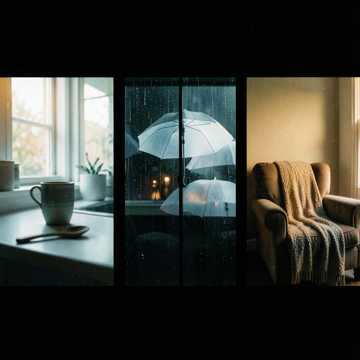
ORDINARY DAYS, EXTRAORDINARY LOVE
A tender, cinematic celebration of lasting partnership. Through everyday rituals, private laughter, and changing years, the song finds extraordinary love not in grand gestures, but in repeatedly choosing a shared life together.
05:37
1 days ago
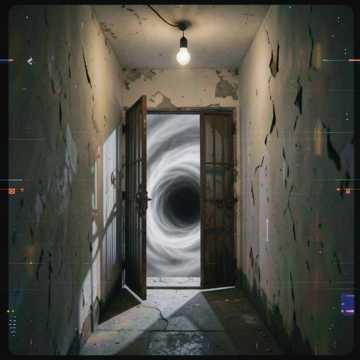
Cavernous Silence
A slow-burn horror instrumental that moves from intimate, dry tension into a cavernous surge of dread. Low-string dissonance, isolated piano notes, metallic impacts, and sharply controlled swells create the feeling of being watched in an endless underground space.
02:48
Invalid date

A
A once-peaceful kingdom falls under the spell of a beautiful woman claiming divine origins. As the king and people surrender to her influence, the prince discovers her demonic deception, challenges the corrupted court, and is exiled while the true catastrophe begins.
06:02
1 days ago

Ah
A concise title-sequence score built on a slow suspended pulse. Deep drones, bowed strings, distant choir textures, and delicate wordless ah vocals create a vast, introspective sci-fi atmosphere that swells into an unresolved, dignified finale.
00:46
1 days ago
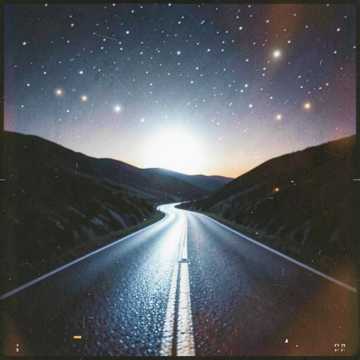
76678996
A lone dreamer travels through moonlit worlds where forgotten gardens, drifting stars, and endless skies turn solitude into wonder. Sparse piano and expansive synth-orchestral textures rise toward a tender cinematic peak before dissolving peacefully into silence.
04:45
1 days ago

Иди к рани
Трогательная исповедь женщины, отпускающей любимого льва Кайона к Рани. Сквозь боль расставания она выбирает благодарность, уважение к его выбору и искреннее желание видеть его счастливым.
03:54
Invalid date

Der erste Morgen ruft
Eine Crew verschiedener Nationen beginnt2030 den Weg zu fernen Kolonien. Zwischen technischen Erfolgen, Erstkontakt, Verlusten und einem geheimen Antriebsprojekt wächst die Erkenntnis: Zukunft entsteht durch Zusammenarbeit, Lernfähigkeit und beharrlichen Mut.
07:31
1 days ago

How You Could Still Choose Me
A former Imperial loyalist pleads for a Jedi's love while confronting the atrocities behind his allegiance. Through grief, guilt, and a growing desire for redemption, he learns that love cannot erase harm, only inspire accountable change.
03:39
1 days ago
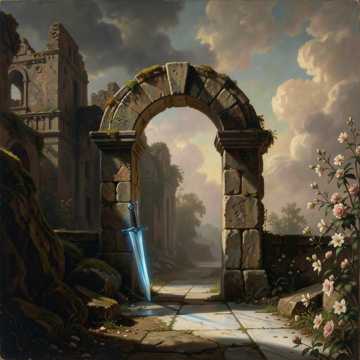
Jedi Girl
A conflicted Imperial officer falls for a Jedi while war divides their galaxy. Through vivid Star Wars imagery, the song explores love, moral choice, redemption, free will, and the courage to build a home beyond oppressive loyalties.
03:37
1 days ago

not a good song
A stark, escalating art rock elegy about apocalypse as both global catastrophe and private disillusionment. Its narrator mourns a world beyond repair, confronting collective disposability, personal isolation, and the grief of opportunities permanently lost.
03:53
1 days ago

Carrier of Ash
A dark, cinematic instrumental that balances delicate acoustic motifs with martial percussion and crushing low-end. Its early melodic theme grows through swelling strings, spectral choir textures, reversed effects, and massive drums into a solemn, dramatic climax.
03:59
1 days ago

Rätsel Nummer 1
An epic operatic reinterpretation of a stranded soul sending a plea across the world. A heroic male voice and suffering female soprano trade verses before joining a hopeful vision of countless castaways seeking connection.
03:37
1 days ago

Omnipotent Evil
A very short, polished horror-superhero opening sting that turns intimate dread into sudden dominance. Minor-key brass, detuned celesta, metallic scraping, electronic ticks, and sub-bass build through broken rhythmic stops toward one unsettling orchestral blow.
00:15
1 days ago

Ostinato di Ombra
Un'esplosione sonora compatta e minacciosa: un ostinato di ottoni e basso distorto avanza tra impatti industriali e archi tesi, culminando in un colpo orchestrale definitivo. Ideale per sigle, trailer, scene d'azione e rivelazioni drammatiche.
00:20
1 days ago

The Final Impact
A very short, severe opening-title score that builds from a slow, weighty pulse into a hard final impact. Low strings, blunt percussion, uneasy brass, and isolated piano notes create a mournful atmosphere of menace, sacrifice, and approaching violence.
00:20
1 days ago
Suspenseful Overture
A deliberate cinematic instrumental that sustains unease through steady percussion, low drones, distant metallic textures, and sparse piano. Gradually intensifying string dissonance and measured impacts lead to a restrained, ominous resolution.
03:10
1 days ago
This Time
ශ්රී ලංකා ක්රිකට් කණ්ඩායමේ පසුබෑම් මැදත් බලාපොරොත්තුව අත්නොහරින රසික හදවතක් මෙම ගීය නිරූපණය කරයි. දක්ෂතාව, පුහුණුව, නීතිමය වෙනස සහ ජාතික එකමුතුව තුළින් නැවත ලෝකය දිනන්නට එය ආරාධනා කරයි.
02:50
Invalid date
Ashes On Stage
A wordless cinematic ballad that moves from sparse, minor-key piano and low drone into suspended harmonies, resonant Tibetan bowls, and weightier bass. Its slow6/8 sway evokes an empty stage, fading memory, grief, and a final dramatic release.
03:45
1 days ago

The Doors Are Opening
A monastic procession moves from hushed spiritual warning toward a commanding call to rise. Modal unison chant, low harmonies, and immense church reverb transform images of bells, stone, flame, and revelation into a powerful ritual of awakening.
02:45
1 days ago
Introduction to Orchestral: Definition and History
Orchestral music refers to compositions specifically created for an orchestra, a large ensemble of musicians divided into sections based on the type of instrument: strings, woodwinds, brass, and percussion. The origins of orchestral music trace back to the early Baroque period in the 17th century, where the modern orchestra began to take shape with the works of composers like Claudio Monteverdi. Over time, orchestral music evolved significantly, with the Classical period, led by figures like Wolfgang Amadeus Mozart and Ludwig van Beethoven, establishing the structure and form commonly associated with orchestral works today. The Romantic era further expanded the size of the orchestra and introduced more complex and expressive compositions. Orchestral music continues to be a cornerstone of classical music and has found its place in modern media, including film, television, and video games.
Sub-tags and Classifications within Orchestral Music
Symphonic
Symphonic music is a major sub-tag of orchestral music, characterized by large-scale works typically divided into multiple movements. Symphonies are a staple of the orchestral repertoire, often composed to explore a wide range of emotions and themes. Famous symphonic works include Beethoven's Symphony No. 9 and Tchaikovsky's Symphony No. 6.
Chamber Orchestra
Chamber orchestra refers to a smaller ensemble of musicians, often performing more intimate compositions. This sub-tag includes works that are composed for smaller spaces and typically involve fewer instruments. Examples include Mozart's Eine kleine Nachtmusik and Barber's Adagio for Strings.
Concertos
Concertos are orchestral works that feature a solo instrument or a group of solo instruments contrasted with the full orchestra. This sub-tag highlights the virtuosic interplay between the soloist(s) and the ensemble. Iconic concertos include Vivaldi's The Four Seasons and Rachmaninoff's Piano Concerto No. 2.
Ballet and Opera Orchestras
This classification involves orchestral music composed specifically for ballet and opera performances. The orchestra plays a critical role in setting the mood, supporting vocal performances, and enhancing the narrative. Examples include Tchaikovsky's The Nutcracker Suite and Wagner's The Ring Cycle.
Film Scores
Film scores represent a modern application of orchestral music, where composers create soundtracks to enhance the emotional and narrative elements of movies. Iconic film scores include John Williams' music for Star Wars and Hans Zimmer's score for Inception.
Famous Artists and Iconic Works in Orchestral Music
Ludwig van Beethoven
Beethoven is one of the most influential figures in orchestral music, known for his innovative approach to symphonic form and emotional depth. His Symphony No. 9, featuring the 'Ode to Joy,' is a landmark in orchestral composition, blending voices with the orchestra in a powerful expression of human unity and triumph.
Beethoven's Symphony No. 5
Symphony No. 5 is one of the most recognized and frequently performed orchestral works in the world. Its famous four-note motif is known worldwide, and the symphony as a whole is celebrated for its dynamic contrasts, innovative use of form, and powerful emotional impact.
Igor Stravinsky
Stravinsky revolutionized orchestral music with his bold use of rhythm, harmony, and structure. His work The Rite of Spring is a seminal piece that broke new ground in orchestration and is famous for its complexity and the riot it caused at its premiere in 1913.
Tchaikovsky's Swan Lake
Swan Lake is a ballet score that has become a staple of the orchestral repertoire. Tchaikovsky's music is renowned for its expressive melodies, rich orchestration, and ability to convey the drama and romance of the ballet. The suite derived from this score is frequently performed in concert settings.
John Williams
John Williams is a modern master of orchestral music, best known for his work in film scores. His compositions for movies such as Star Wars, Jurassic Park, and Harry Potter have become iconic, showcasing his ability to create memorable themes and evoke powerful emotions through orchestration.
Stravinsky's The Firebird
The Firebird is one of Stravinsky's early masterpieces, blending Russian folk music with innovative orchestration. This orchestral work, originally composed for the ballet, is notable for its vivid depiction of the story through music and its use of color and texture to create a magical atmosphere.
Application Scenarios for Orchestral Music
Orchestral music is widely used in film soundtracks to enhance the emotional depth and narrative of movies. Composers like John Williams and Hans Zimmer have used orchestral scores to create iconic soundtracks that are integral to the films' identities, such as the Star Wars series and Inception.
Film Soundtracks
In the gaming industry, orchestral music is employed to create immersive and dynamic soundscapes. Games like The Legend of Zelda and Final Fantasy series have memorable orchestral scores that play a key role in enhancing the player's experience.
Video Game Music
Orchestral music is a staple of live performances in concert halls around the world. Symphonies, concertos, and other orchestral works are performed by professional ensembles to large audiences, showcasing the art of live orchestration and interpretation.
Live Performances
Orchestral music is also used in advertising to evoke a sense of grandeur, elegance, or emotional impact. Companies often use orchestral compositions to make their ads more memorable and impactful, helping to associate their brands with these positive attributes.
Advertising