Free Orchestral Music Generator Powered by AI
Turn text into high-quality Orchestral music effortlessly – no login required!

music.toolTips
הקבוע שנקרא SABRINA CHINSAUBA
שיר קלאסי ורך המציג את SABRINA CHINSAUBA ככוח של חופש והרמוניה. דרך דימויי גלקסיות, עולמות מקבילים ושערים של אור, היא מגלה שעוצמה אמיתית אינה כיבוש אלא יצירת מקום שבו אפשרויות שונות מתקיימות יחד.
07:30
1 days ago
THE CONSTANT CALLED SABRINA CHINSAUBA
A celestial classical meditation on Sabrina Chinsauba, portrayed as a peaceful constant across infinite realities. Rather than conquering worlds, she unites opposites through harmony and creates a future where freedom means becoming entirely oneself.
07:33
1 days ago
iron in my vain
A scarred half-human, half-elf veteran rejects his former role as the Red Queen's weapon. Armed with a rune-powered metal arm and haunted by war, Fen'hral journeys across Wonderland to find twelve Zodiac warriors and stop the conflict before more soldiers die.
05:03
1 days ago

jxnd
jxnd racconta la caduta del potere assoluto attraverso immagini di sacrificio, inganno e rivolta. Un uomo calcola nel buio mentre re e dèi perdono il controllo: la sofferenza non spegne il fuoco della coscienza, capace di far tremare il mondo.
06:10
Invalid date

HẰNG SỐ MANG TÊN SABRINA CHINSAUBA
Bài hát khắc họa Sabrina Chinsauba như một hằng số giữa vô hạn, người kết nối những thực tại đối lập bằng sự bình yên và hòa hợp. Không thống trị thế giới, cô tạo ra không gian để mọi bản thể được tự do tồn tại đúng với chính mình.
07:16
1 days ago

Terra wird führen
Eine entschlossene Zukunftshymne über die Expansion der Menschheit ins All. Zwischen Forschung, Kolonien, Bündnissen, Verlusten und Konflikten bleibt Terra moralischer Mittelpunkt. Der wachsende orchestrale Klang verwandelt Zweifel und Opfer in gemeinschaftliche Hoffnung und dauerhaften Aufbruch.
05:13
1 days ago

Fractured Destiny
A compact superhero title sequence that evolves from cold, restrained ambience into a forceful orchestral-rock climax. A three-note minor motif, bowed strings, electric guitar, deep choir, and cinematic drums evoke concealed power, conflict, and an unavoidable destiny.
00:36
1 days ago
The Arm I Left Behind
A battle-worn paladin, maimed while serving the Red Queen, confronts the trauma of war and reclaims his agency. Driven by an enchanted steel arm and a lasting oath, Fen'hral seeks twelve star-marked champions to end Wonderland's destructive conflict.
07:08
1 days ago
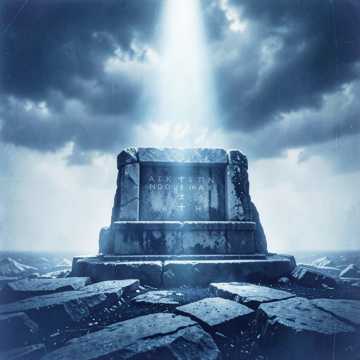
We Bear the Flame
A ceremonial dark-fantasy anthem follows Castella as she calls divided peoples to reclaim their sacred homeland. Organ, choir, and orchestral force transform grief over loss into a collective vow of faith, memory, and resolute restoration.
05:40
1 days ago
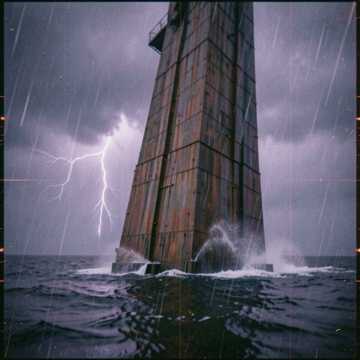
Sombras del Amanecer
Tema instrumental de rock cinematográfico y épica superheroica. Un motivo menor emerge entre guitarra eléctrica y cuerdas graves, crece con pulsos, coro masculino y tambores monumentales, y culmina en una declaración orquestal amplia, intensa y resuelta.
03:49
1 days ago
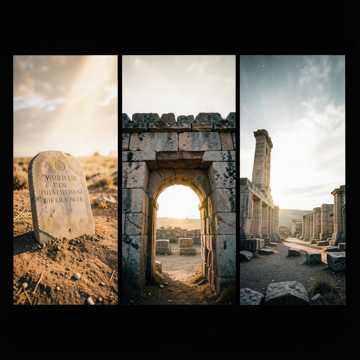
Destiny's Call
A sweeping instrumental journey from buried ancient secrets to an overwhelming declaration of destiny. Low strings, sacred choir, frame drums, brass, and synthesizers build patiently toward a decisive cinematic climax and resonant final release.
03:28
1 days ago

Stone Revelation
A cinematic hybrid orchestral title theme that moves from hushed archaeological mystery to a majestic revelation. Ancient percussion, bowed strings, sacred wordless choir, synth drones, brass, and taiko-like impacts build toward an unresolved, monumental finale.
03:30
1 days ago
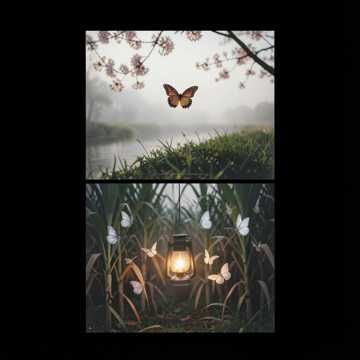
A Butterfly Will Soar
小さな蝶が空へ舞い上がる姿を通して、子供たちの成長、希望、信仰、そして旅立ちを描く日英混成のシネマティック楽曲。幼い少女の歌声、力強い合唱、和楽器とオーケストラが、静かな祈りを壮大な飛翔へ変えていく。
06:48
1 days ago
A Butterfly Will Soar
小さな子どもたちと蝶の旅を通して、勇気、信仰、再生、そして未知の空へ踏み出す希望を歌う日英バイリンガル曲。幼い声と大人のコーラス、和楽器と壮大な管弦楽が、静かな祈りを冒険的な飛翔へ導く。
06:43
1 days ago
Ominous Low Brass
A concise dark-superhero title cue that begins with threatening low brass and heavy taiko pulse, then expands through ascending strings and layered choirs into a powerful, reverberant final impact.
00:20
1 days ago
First Contact
A brief cinematic orchestral cue that opens with fragile high vocals and low strings, then rises through ceremonial suspense into a powerful interstellar crest. Its unresolved final chord leaves discovery, awe, and the unknown hanging in the air.
00:20
1 days ago
The Suspended Chord
A brief science-fiction orchestral title sequence that builds from a solitary low note and fragile string harmonics into uneasy brass, timpani, and wordless choir, ending abruptly on a suspenseful unresolved chord.
00:30
1 days ago
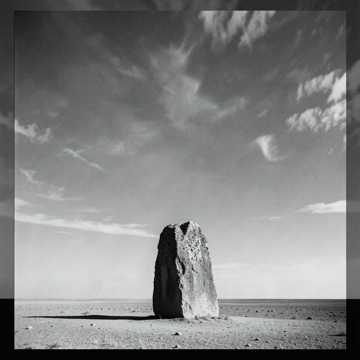
The Unresolved Chord
A20-second epic science-fiction title cue that builds from a fragile string harmonic and distant choir into urgent orchestral motion, dark brass weight, and a powerful final chord deliberately left unresolved.
00:20
1 days ago

Rätsel Nummer 2
Ein frustrierter Erzähler kämpft mit rastloser Unzufriedenheit. Radio, Werbung und erfolglose Kontaktversuche verstärken sein Gefühl von Leere. Der eingängige Refrain macht aus privatem Ärger einen direkten, urbanen Pop-Rap über Konsumdruck und unerfüllte Wünsche.
02:40
1 days ago
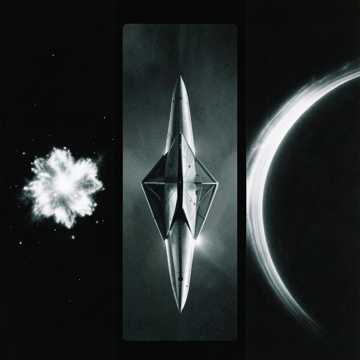
Cosmic Ostinato
A concise, expansive science-fiction title sequence that evolves from suspended mystery into a forceful orchestral-electronic crescendo. Rhythmic ostinatos, resonant percussion, luminous synth textures, and vocal swells create a bold cinematic arrival.
00:25
1 days ago
Introduction to Orchestral: Definition and History
Orchestral music refers to compositions specifically created for an orchestra, a large ensemble of musicians divided into sections based on the type of instrument: strings, woodwinds, brass, and percussion. The origins of orchestral music trace back to the early Baroque period in the 17th century, where the modern orchestra began to take shape with the works of composers like Claudio Monteverdi. Over time, orchestral music evolved significantly, with the Classical period, led by figures like Wolfgang Amadeus Mozart and Ludwig van Beethoven, establishing the structure and form commonly associated with orchestral works today. The Romantic era further expanded the size of the orchestra and introduced more complex and expressive compositions. Orchestral music continues to be a cornerstone of classical music and has found its place in modern media, including film, television, and video games.
Sub-tags and Classifications within Orchestral Music
Symphonic
Symphonic music is a major sub-tag of orchestral music, characterized by large-scale works typically divided into multiple movements. Symphonies are a staple of the orchestral repertoire, often composed to explore a wide range of emotions and themes. Famous symphonic works include Beethoven's Symphony No. 9 and Tchaikovsky's Symphony No. 6.
Chamber Orchestra
Chamber orchestra refers to a smaller ensemble of musicians, often performing more intimate compositions. This sub-tag includes works that are composed for smaller spaces and typically involve fewer instruments. Examples include Mozart's Eine kleine Nachtmusik and Barber's Adagio for Strings.
Concertos
Concertos are orchestral works that feature a solo instrument or a group of solo instruments contrasted with the full orchestra. This sub-tag highlights the virtuosic interplay between the soloist(s) and the ensemble. Iconic concertos include Vivaldi's The Four Seasons and Rachmaninoff's Piano Concerto No. 2.
Ballet and Opera Orchestras
This classification involves orchestral music composed specifically for ballet and opera performances. The orchestra plays a critical role in setting the mood, supporting vocal performances, and enhancing the narrative. Examples include Tchaikovsky's The Nutcracker Suite and Wagner's The Ring Cycle.
Film Scores
Film scores represent a modern application of orchestral music, where composers create soundtracks to enhance the emotional and narrative elements of movies. Iconic film scores include John Williams' music for Star Wars and Hans Zimmer's score for Inception.
Famous Artists and Iconic Works in Orchestral Music
Ludwig van Beethoven
Beethoven is one of the most influential figures in orchestral music, known for his innovative approach to symphonic form and emotional depth. His Symphony No. 9, featuring the 'Ode to Joy,' is a landmark in orchestral composition, blending voices with the orchestra in a powerful expression of human unity and triumph.
Beethoven's Symphony No. 5
Symphony No. 5 is one of the most recognized and frequently performed orchestral works in the world. Its famous four-note motif is known worldwide, and the symphony as a whole is celebrated for its dynamic contrasts, innovative use of form, and powerful emotional impact.
Igor Stravinsky
Stravinsky revolutionized orchestral music with his bold use of rhythm, harmony, and structure. His work The Rite of Spring is a seminal piece that broke new ground in orchestration and is famous for its complexity and the riot it caused at its premiere in 1913.
Tchaikovsky's Swan Lake
Swan Lake is a ballet score that has become a staple of the orchestral repertoire. Tchaikovsky's music is renowned for its expressive melodies, rich orchestration, and ability to convey the drama and romance of the ballet. The suite derived from this score is frequently performed in concert settings.
John Williams
John Williams is a modern master of orchestral music, best known for his work in film scores. His compositions for movies such as Star Wars, Jurassic Park, and Harry Potter have become iconic, showcasing his ability to create memorable themes and evoke powerful emotions through orchestration.
Stravinsky's The Firebird
The Firebird is one of Stravinsky's early masterpieces, blending Russian folk music with innovative orchestration. This orchestral work, originally composed for the ballet, is notable for its vivid depiction of the story through music and its use of color and texture to create a magical atmosphere.
Application Scenarios for Orchestral Music
Orchestral music is widely used in film soundtracks to enhance the emotional depth and narrative of movies. Composers like John Williams and Hans Zimmer have used orchestral scores to create iconic soundtracks that are integral to the films' identities, such as the Star Wars series and Inception.
Film Soundtracks
In the gaming industry, orchestral music is employed to create immersive and dynamic soundscapes. Games like The Legend of Zelda and Final Fantasy series have memorable orchestral scores that play a key role in enhancing the player's experience.
Video Game Music
Orchestral music is a staple of live performances in concert halls around the world. Symphonies, concertos, and other orchestral works are performed by professional ensembles to large audiences, showcasing the art of live orchestration and interpretation.
Live Performances
Orchestral music is also used in advertising to evoke a sense of grandeur, elegance, or emotional impact. Companies often use orchestral compositions to make their ads more memorable and impactful, helping to associate their brands with these positive attributes.
Advertising