Free Orchestral Music Generator Powered by AI
Turn text into high-quality Orchestral music effortlessly – no login required!

music.toolTips

Eternal Silence
A sacred, mysterious instrumental that moves from a sparse low drone and bowed strings into an epic orchestral climax. Wordless choral textures, ceremonial percussion, modal motifs, and expansive reverb create an atmosphere of grief, ritual, ancient history, and solemn revelation.
03:24
1 days ago

pasko ng maralita
Isang mapagnilay na awit tungkol sa mga pamilyang kapos sa Pasko at Bagong Taon. Inilalarawan nito ang hirap ng mataas na presyo at kakulangan sa pagkain, ngunit pinanghahawakan ang yakap, pag-ibig, dasal, at pag-asang giginhawa ang buhay.
03:15
1 days ago
pasko ng maralita
Isang makabagbag-damdaming awit tungkol sa Paskong nararanasan ng maralita sa gitna ng pagtaas ng bilihin. Sa kabila ng gutom at kakapusan, itinataguyod nito ang yakap, pag-ibig, pag-asa, at panawagang magkaroon ng malasakit ang may kaya.
03:59
1 days ago

ABC
A lyric-free cinematic composition built around atmosphere, scale, and emotional movement. Its open-ended title and instrumental nature invite listeners to project their own narrative, from quiet anticipation to a sweeping, dramatic resolution.
02:29
Invalid date

TradeX Song12
A motivational business and trading anthem celebrating Imran, TradeX founder and educator. Through setbacks, discipline, self-employment, and strategic market knowledge, he turns personal ambition into mentorship and a message of financial freedom.
04:03
1 days ago
TradeX Song12
A motivational hip-hop anthem honoring Imran, TradeX founder and educator. It follows his disciplined rise through setbacks, independent ambition, strategic trading, and global mentorship, framing financial freedom as the result of skill, patience, resilience, and process over hype.
03:56
1 days ago
TradeX Song12
A determined female-led trap orchestral anthem portraying Imran's journey from solitary ambition in Lahore to TradeX founder and global trading mentor. It celebrates self-motivation, calculated risk, education, resilience after losses, and financial independence built through disciplined craft.
04:02
1 days ago

Najveća pobeda
Epska balada prati muškarca i ženu koji, usred nasleđenog sukoba, odbacuju gordost i strah. Njihova najveća pobeda nije poraz drugoga, već odluka da spuste oružje, pruže ruku i izaberu mir.
04:48
1 days ago

ddddddd
A devoted narrator promises comfort, loyalty, and unconditional love to someone facing loneliness and heartbreak. Bright1960s Liverpool pop rhythms, soaring harmonies, and an increasingly grand arrangement turn the repeated promise to call me up into an optimistic romantic anthem.
05:23
Invalid date

Informative Bed
A concise broadcast-ready instrumental that balances calm authority with forward motion. Piano ostinato, low strings, subtle brass, and understated percussion create a dependable bed for news segments, informational videos, corporate updates, and documentary narration.
02:03
1 days ago
dd
An upbeat declaration of enduring love and dependable support. Through lively guitars, rhythmic drums, orchestral color, and layered harmonies, the singer promises to remain present for someone through loneliness, heartbreak, and every grey sky.
04:47
Invalid date
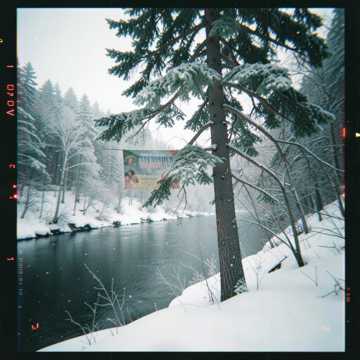
Name We Raise
A grand, Russian-inspired operatic anthem that portrays collective national resolve through winter landscapes, ceremonial imagery, and repeated declarations of loyalty. Its narrative rises from restrained solemnity to a forceful choral finale.
02:57
Invalid date
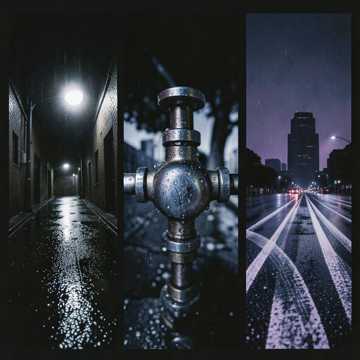
Gotham Requiem
A brooding orchestral instrumental that moves from distant choir haze and ticking tension into a forceful brass-led climax. Its solo cello and rain-soaked piano bridge add grief and isolation before the final widescreen surge.
03:35
1 days ago

Luz del Evangelio
Una composición instrumental de inspiración espiritual que inicia con arpegios de piano suaves y crece hacia violines amplios y luminosos. Su pulso en6/8, acordes suspendidos y crescendos emotivos evocan contemplación, esperanza y la difusión serena del Evangelio.
03:39
1 days ago
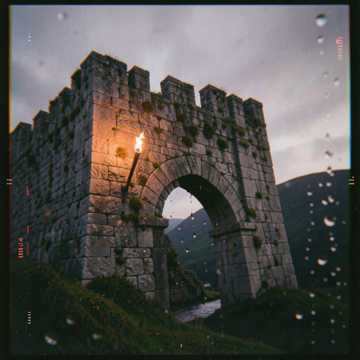
L'Appel des ombres
Une composition cinématique dark fantasy qui progresse d'une tension feutrée, portée par le violoncelle et les chœurs, vers un affrontement orchestral monumental. Les percussions tribales, les cuivres solennels et les cordes ascendantes s'achèvent sur une cadence royale et imposante.
03:49
1 days ago

gummichor
Eine kurze, mantraartige Hymne um Jochen Gummibär, deren wiederholte Zeilen durch Chor, Mollharmonik und Orchester zu einer zugleich humorvollen und dramatisch-inspirierenden Klangwelt anwachsen.
00:38
1 days ago
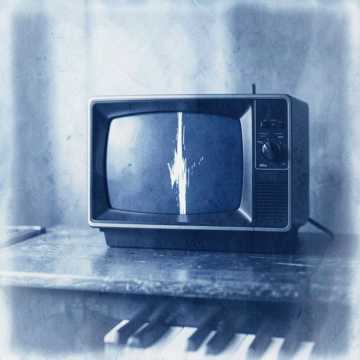
Eerie Pause
A very short mid-century suspense instrumental that turns silence into tension. Isolated piano, low strings, wavering brass, and an abrupt dissonant accent build a haunted broadcast atmosphere before ending without resolution.
00:20
1 days ago
Cendres d'Erbil
Une odyssée instrumentale lente et solennelle. Le piano ouvre un espace de recueillement, puis les basses, cordes graves et percussions massives construisent une montée épique vers une conclusion suspendue, ample et spirituelle.
03:49
1 days ago
Drought and Oil
An instrumental cinematic soundtrack that moves from intimate ancient Middle Eastern colors to a towering orchestral climax. Soft winds, sparse strings, and frame drums evoke hardship and prayer before choir, brass, and resolved harmony create a hopeful spiritual ascent.
03:58
1 days ago
הקבוע שנקרא SABRINA CHINSAUBA
שיר קלאסי ורך המציג את SABRINA CHINSAUBA ככוח של חופש והרמוניה. דרך דימויי גלקסיות, עולמות מקבילים ושערים של אור, היא מגלה שעוצמה אמיתית אינה כיבוש אלא יצירת מקום שבו אפשרויות שונות מתקיימות יחד.
07:30
1 days ago
Introduction to Orchestral: Definition and History
Orchestral music refers to compositions specifically created for an orchestra, a large ensemble of musicians divided into sections based on the type of instrument: strings, woodwinds, brass, and percussion. The origins of orchestral music trace back to the early Baroque period in the 17th century, where the modern orchestra began to take shape with the works of composers like Claudio Monteverdi. Over time, orchestral music evolved significantly, with the Classical period, led by figures like Wolfgang Amadeus Mozart and Ludwig van Beethoven, establishing the structure and form commonly associated with orchestral works today. The Romantic era further expanded the size of the orchestra and introduced more complex and expressive compositions. Orchestral music continues to be a cornerstone of classical music and has found its place in modern media, including film, television, and video games.
Sub-tags and Classifications within Orchestral Music
Symphonic
Symphonic music is a major sub-tag of orchestral music, characterized by large-scale works typically divided into multiple movements. Symphonies are a staple of the orchestral repertoire, often composed to explore a wide range of emotions and themes. Famous symphonic works include Beethoven's Symphony No. 9 and Tchaikovsky's Symphony No. 6.
Chamber Orchestra
Chamber orchestra refers to a smaller ensemble of musicians, often performing more intimate compositions. This sub-tag includes works that are composed for smaller spaces and typically involve fewer instruments. Examples include Mozart's Eine kleine Nachtmusik and Barber's Adagio for Strings.
Concertos
Concertos are orchestral works that feature a solo instrument or a group of solo instruments contrasted with the full orchestra. This sub-tag highlights the virtuosic interplay between the soloist(s) and the ensemble. Iconic concertos include Vivaldi's The Four Seasons and Rachmaninoff's Piano Concerto No. 2.
Ballet and Opera Orchestras
This classification involves orchestral music composed specifically for ballet and opera performances. The orchestra plays a critical role in setting the mood, supporting vocal performances, and enhancing the narrative. Examples include Tchaikovsky's The Nutcracker Suite and Wagner's The Ring Cycle.
Film Scores
Film scores represent a modern application of orchestral music, where composers create soundtracks to enhance the emotional and narrative elements of movies. Iconic film scores include John Williams' music for Star Wars and Hans Zimmer's score for Inception.
Famous Artists and Iconic Works in Orchestral Music
Ludwig van Beethoven
Beethoven is one of the most influential figures in orchestral music, known for his innovative approach to symphonic form and emotional depth. His Symphony No. 9, featuring the 'Ode to Joy,' is a landmark in orchestral composition, blending voices with the orchestra in a powerful expression of human unity and triumph.
Beethoven's Symphony No. 5
Symphony No. 5 is one of the most recognized and frequently performed orchestral works in the world. Its famous four-note motif is known worldwide, and the symphony as a whole is celebrated for its dynamic contrasts, innovative use of form, and powerful emotional impact.
Igor Stravinsky
Stravinsky revolutionized orchestral music with his bold use of rhythm, harmony, and structure. His work The Rite of Spring is a seminal piece that broke new ground in orchestration and is famous for its complexity and the riot it caused at its premiere in 1913.
Tchaikovsky's Swan Lake
Swan Lake is a ballet score that has become a staple of the orchestral repertoire. Tchaikovsky's music is renowned for its expressive melodies, rich orchestration, and ability to convey the drama and romance of the ballet. The suite derived from this score is frequently performed in concert settings.
John Williams
John Williams is a modern master of orchestral music, best known for his work in film scores. His compositions for movies such as Star Wars, Jurassic Park, and Harry Potter have become iconic, showcasing his ability to create memorable themes and evoke powerful emotions through orchestration.
Stravinsky's The Firebird
The Firebird is one of Stravinsky's early masterpieces, blending Russian folk music with innovative orchestration. This orchestral work, originally composed for the ballet, is notable for its vivid depiction of the story through music and its use of color and texture to create a magical atmosphere.
Application Scenarios for Orchestral Music
Orchestral music is widely used in film soundtracks to enhance the emotional depth and narrative of movies. Composers like John Williams and Hans Zimmer have used orchestral scores to create iconic soundtracks that are integral to the films' identities, such as the Star Wars series and Inception.
Film Soundtracks
In the gaming industry, orchestral music is employed to create immersive and dynamic soundscapes. Games like The Legend of Zelda and Final Fantasy series have memorable orchestral scores that play a key role in enhancing the player's experience.
Video Game Music
Orchestral music is a staple of live performances in concert halls around the world. Symphonies, concertos, and other orchestral works are performed by professional ensembles to large audiences, showcasing the art of live orchestration and interpretation.
Live Performances
Orchestral music is also used in advertising to evoke a sense of grandeur, elegance, or emotional impact. Companies often use orchestral compositions to make their ads more memorable and impactful, helping to associate their brands with these positive attributes.
Advertising